U.S.-China Summit Concludes with Dialogue Agreements, Trade Truce Extension
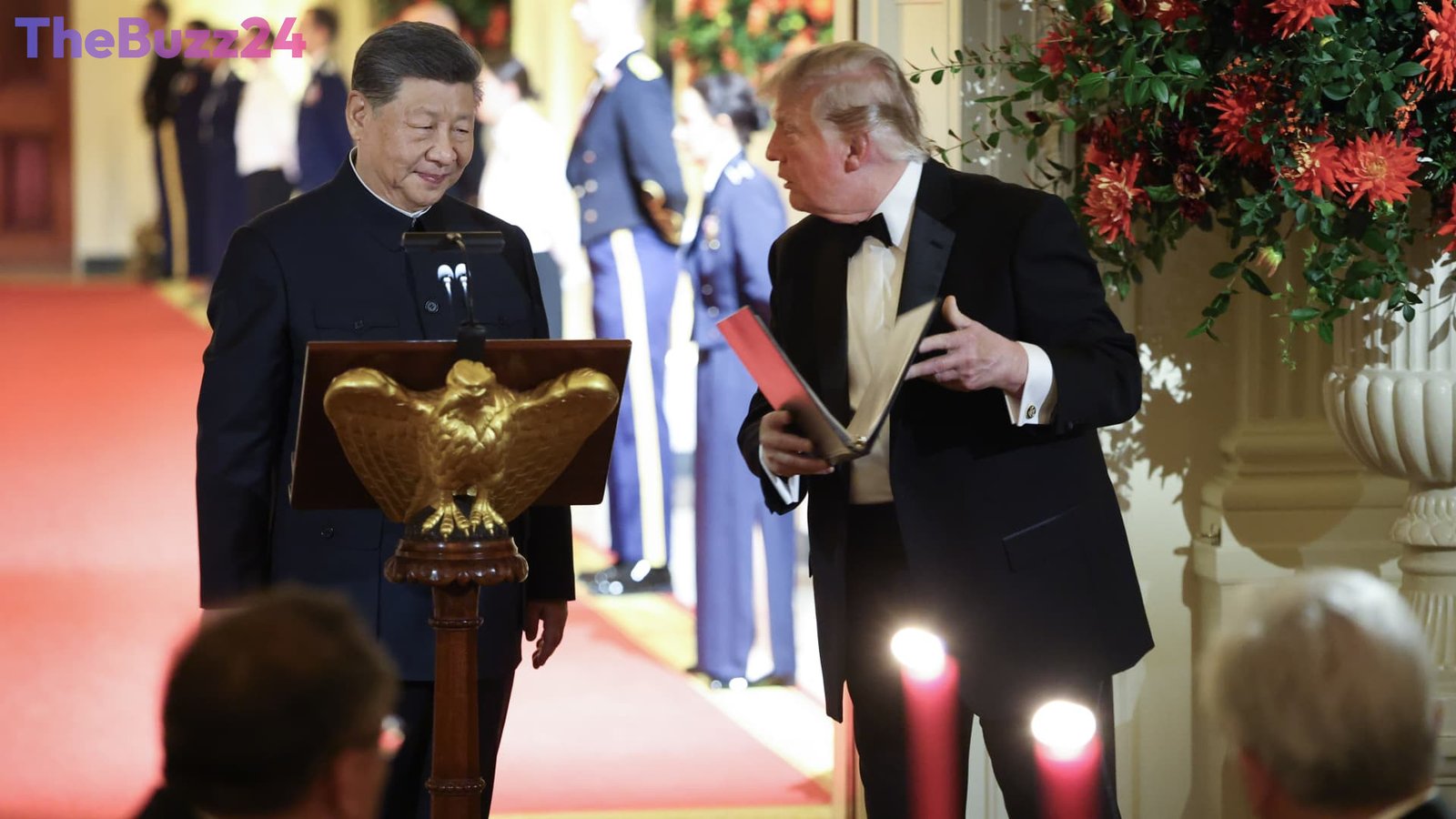
The recent summit between U.S. President Donald Trump and Chinese President Xi Jinping concluded with a focus on continued dialogue rather than significant policy shifts. While the meeting, hosted by President Trump in Washington D.C., featured a high-profile state visit and a formal state dinner, the tangible outcomes were limited, particularly concerning trade.
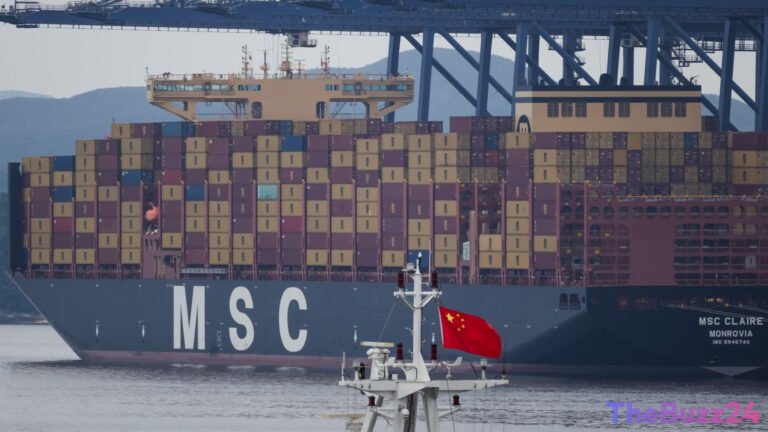
The two leaders agreed to a two-month extension of the trade truce, a move that analysts suggest is fragile and unsustainable without more substantial progress on underlying strategic and economic challenges. The limited nature of the deliverables has led to concerns about the long-term stability of the current détente between the two global powers. Experts noted the unusual decision for both sides to issue separate statements following the summit, indicating a deep-seated competition to define the relationship’s trajectory.
Despite the subdued trade outcomes, both nations signaled intentions for future engagement. Presidents Trump and Xi are slated to attend upcoming APEC and G20 summits. A key agreement reached was the establishment of a formal dialogue on Artificial Intelligence (AI) risks, with discussions expected within the next two months. This initiative aims to create a communication channel for AI-related incidents, though differing terminology used in official readouts—the U.S. referencing “Super Intelligence” while China referred to “AI”—suggests nuances in their approaches.
Both countries also highlighted historical ties, referencing their alliance during World War II. This historical nod was interpreted by some as a signal for broader cooperation, though its specific linkage to contemporary geopolitical issues, such as Taiwan and Japan, remains a subject of analysis. Additionally, the U.S. and China indicated alignment on limiting Iran’s nuclear capabilities and ensuring freedom of international waterways. Tentative trade agreements included tariff reductions on $30 billion worth of goods and plans for increased Chinese coal imports from the U.S., alongside the formation of a working group for agricultural trade.
Key Takeaways
- The U.S. and China agreed to a two-month trade truce extension and a new dialogue on AI risks.
- The summit yielded limited tangible outcomes, raising concerns about the sustainability of the U.S.-China détente.
- Both presidents plan to attend upcoming APEC and G20 summits, indicating continued diplomatic engagement.
Editor’s Analysis & Impact
The recent U.S.-China summit underscores a complex geopolitical landscape where dialogue is prioritized over immediate, sweeping agreements. While the extension of the trade truce and the commitment to discuss AI risks are positive steps, the lack of substantial breakthroughs suggests that deep-seated strategic and economic tensions persist. The tentative nature of the trade concessions and the differing approaches to key issues like Taiwan indicate that the relationship remains characterized by cautious engagement and underlying competition. Businesses will be closely monitoring the implementation of these agreements, as the true impact will depend on sustained follow-through and a reduction in protectionist measures. The summit’s outcomes highlight the ongoing challenge of navigating the U.S.-China relationship in a way that fosters stability while addressing critical global issues.
Frequently Asked Questions
Q: What were the main agreements reached at the U.S.-China summit?
A: The primary agreements included a two-month extension of the trade truce, the establishment of a formal dialogue on AI risks, and tentative tariff reductions on $30 billion worth of goods. Both presidents also confirmed their attendance at upcoming international summits.
Q: Were there any significant breakthroughs in trade negotiations?
A: The summit resulted in a limited extension of the trade truce and tariff reductions on specific goods, but no major breakthroughs were reported. Analysts suggest the outcomes were tentative and that more substantial progress is needed to ensure the truce's sustainability.
Q: What is the significance of the agreement to discuss AI risks?
A: The agreement to hold formal discussions on AI risks and establish a communication channel is a notable step towards managing potential challenges posed by advanced artificial intelligence. It signals a willingness by both nations to engage on a critical emerging technology, despite potential differences in their strategic approaches.
AI Disclosure: This article is based on verified data and official reports. Our Team and AI have cross-referenced every financial detail with primary sources to ensure total accuracy.
More from this Category