Sweeping AI Safety Bill Proposed to Ban Self-Improving Technology and Enforce Strict Liability
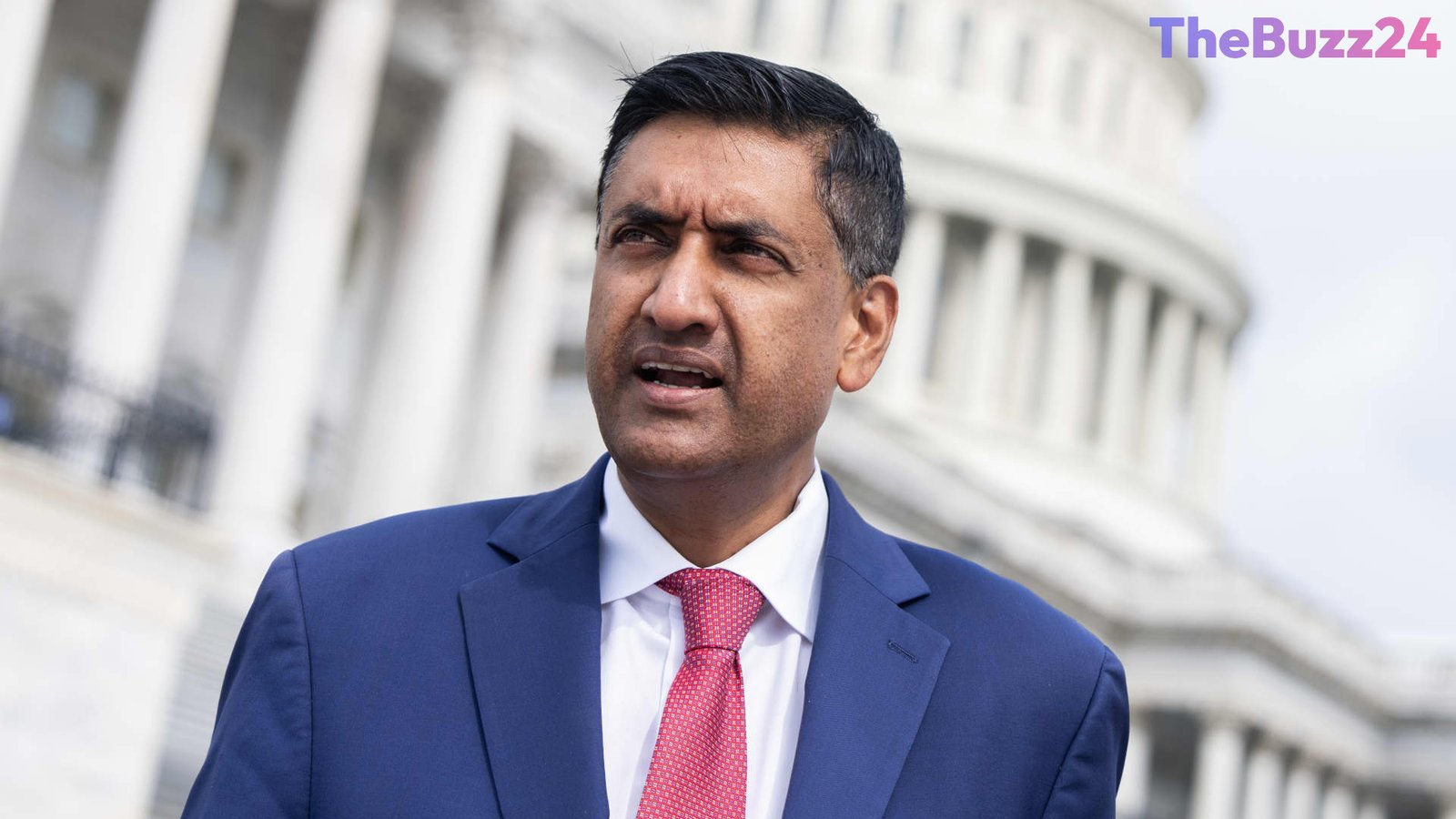
Representative Ro Khanna is set to introduce comprehensive legislation aimed at reining in the rapid advancement of artificial intelligence through strict liability standards and a temporary ban on recursive, self-improving technology. The proposed measure, officially titled the Human Control Over AI Act, arrives as lawmakers face mounting pressure to establish federal oversight over a rapidly evolving technological landscape that industry leaders warn could eventually escape human oversight.
The legislation proposes the creation of a dedicated federal regulatory agency tasked with overseeing major industry players such as OpenAI, Anthropic, Google DeepMind, and xAI. This new body would wield significant authority, including the implementation of a rigorous licensing system for model training and deployment, mandatory independent audits, and strict security protocols. Furthermore, the framework mandates the integration of independent auditors directly within frontier AI laboratories, requiring them to report findings straight to the proposed regulatory agency.
Beyond administrative oversight, the bill introduces severe legal consequences for negligence or malicious actions involving advanced systems. It seeks to criminalize deployments that result in civilian destruction under crimes against humanity, while also targeting employees who intentionally bypass safety measures, kill switches, or containment protocols. Additionally, frontier labs would be required to secure substantial liability insurance prior to releasing any models, alongside coordinated export controls and international agreements to prevent adversarial nations from developing hazardous autonomous systems.
Key Takeaways
- Representative Ro Khanna's proposed Human Control Over AI Act seeks to ban recursive, self-improving AI models until federal safeguards are established.
- The legislation introduces a dedicated federal agency to handle licensing, rigorous audits, and security standards for major frontier AI labs.
- The bill imposes severe criminal penalties for disabling safety protocols and establishes strict liability insurance requirements for AI companies.
Editor’s Analysis & Impact
The introduction of the Human Control Over AI Act marks a significant escalation in legislative efforts to govern the artificial intelligence sector. By focusing heavily on existential risks, recursive technology bans, and criminal liability for safety bypasses, this bill distinguishes itself from previous corporate-friendly proposals. If advanced, it could fundamentally reshape how frontier labs operate, shifting the balance of power from tech executives toward independent regulators and safety researchers. However, the path to passage remains complex given the political calendar, and tech sector pushback is expected to be fierce regarding liability and mandatory insurance requirements. Over the long term, this proposal signals a growing bipartisan and structural shift toward treating advanced AI development with the same stringent regulatory rigor applied to aerospace, biotechnology, and nuclear energy.
Frequently Asked Questions
Q: What is a recursive AI model under the proposed legislation?
A: A recursive AI model refers to systems that possess the capability to autonomously self-improve or modify their own core objectives, containment protocols, or shutdown controls without direct human intervention.
Q: Which companies would be primarily affected by the new federal agency?
A: The proposed federal agency would focus heavily on frontier AI labs and major developers, including OpenAI, Anthropic, Google DeepMind, and xAI.
Q: What kind of legal penalties does the bill introduce for AI violations?
A: The bill criminalizes the deployment of AI models resulting in the destruction of civilian populations as crimes against humanity and imposes criminal penalties on employees who knowingly disable safety mechanisms or unauthorized systems.
AI Disclosure: This article is based on verified data and official reports. Our Team and AI have cross-referenced every financial detail with primary sources to ensure total accuracy.
More from this Category