Beyond Bitcoin: How Revenue-Generating Protocols and Privacy Coins Are Dominating the Altcoin Market
While Bitcoin continues to command roughly 56% of the total cryptocurrency market capitalization, the traditional flow of capital in digital asset bull runs is undergoing a fundamental shift. Historically, capital would cascade from Bitcoin and major large-cap assets like Ethereum and Solana down to alternative tokens. Today, however, altcoins are capturing immediate and sustained investor attention. This cycle is characterized by highly concentrated interest in specific utility-driven sectors, marking a departure from the speculative, broad-market rallies of the past.
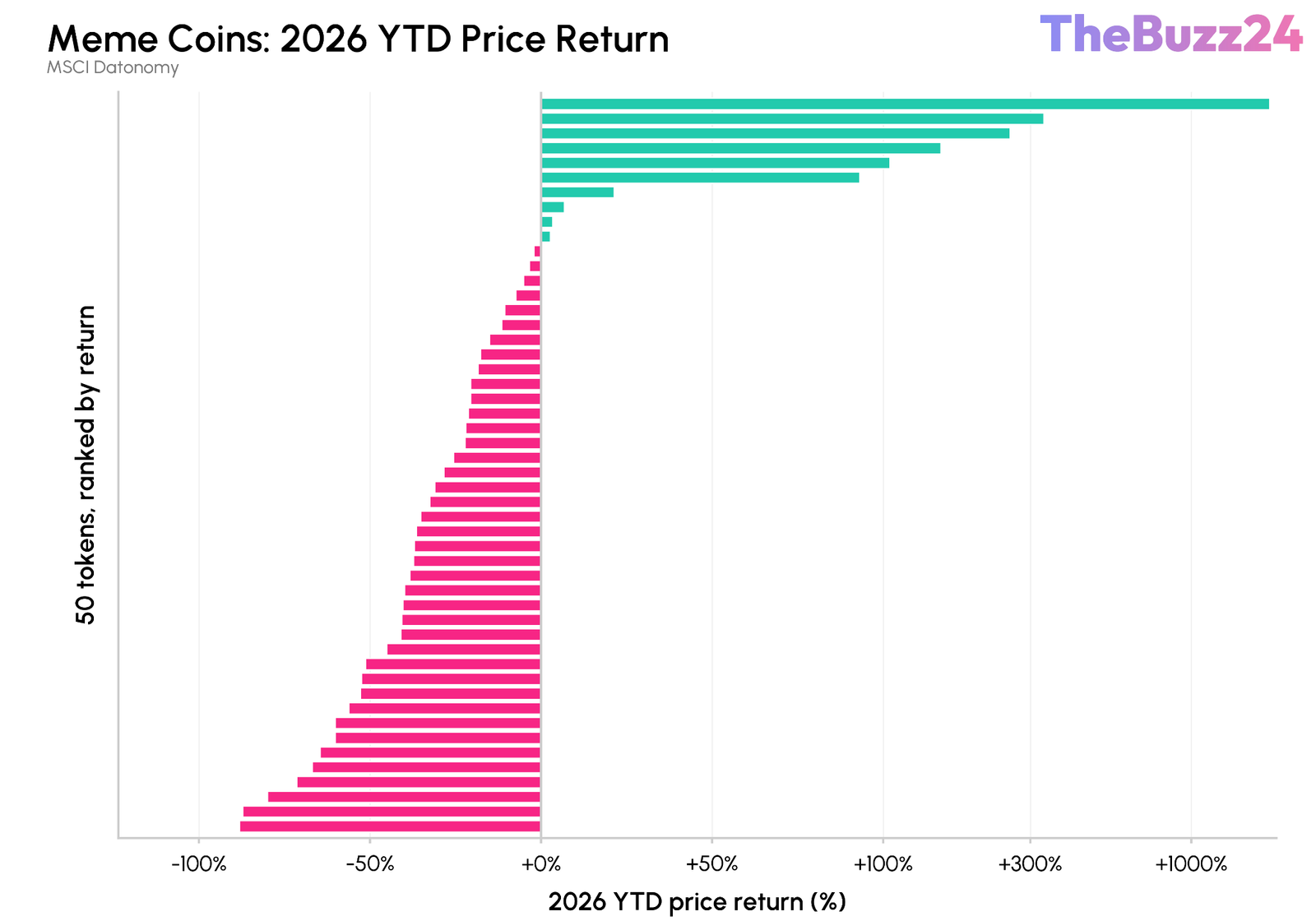
Privacy-focused networks and revenue-generating protocols are emerging as the primary beneficiaries of this capital rotation. Zcash (ZEC), for instance, has experienced a massive resurgence, posting a 218% year-to-date return. This growth is backed by strong on-chain fundamentals, with shielded transactions now accounting for 52% of all Zcash activity and open interest in ZEC futures climbing past $2 billion. Conversely, the speculative meme coin market is showing signs of maturation; while specific launchpad tokens like PUMP have surged 134%, the median meme coin within major tracking indexes has actually declined by 27% year-to-date, prompting investors to seek more sustainable value.
This search for sustainability has led to a massive influx of capital into decentralized finance (DeFi) protocols that generate real revenue. Aave, a leading lending platform, is currently on track to generate an annualized $47 million from its Ethereum-based lending markets, driven largely by stablecoin borrowing fees. Similarly, Uniswap’s implementation of its fee-switch mechanism has allowed the protocol to capture a significant portion of trading fees across its v2 and v3 pools, demonstrating that decentralized platforms can operate as highly profitable enterprises.
To reward loyal token holders, several top-tier protocols are increasingly utilizing their earnings to execute token buybacks and burns, effectively reducing outstanding supply. Uniswap has already burned more than $12 million worth of UNI tokens on the Ethereum network. Meanwhile, Hyperliquid has integrated aggressive buyback mechanisms powered by trading fees, developer auctions, and yield-sharing agreements with major stablecoin issuers. This trend has been further bolstered by regulatory clarity, with updated guidance indicating that structured token buybacks by functional protocols do not automatically classify the underlying assets as securities.
Key Takeaways
- Capital is bypassing traditional large-cap assets to flow directly into utility-focused altcoins, particularly privacy networks and revenue-generating DeFi protocols.
- Zcash has seen a major resurgence with a 218% YTD return and over $2 billion in futures open interest, driven by a rise in shielded, private transactions.
- Leading protocols like Uniswap and Hyperliquid are actively using protocol revenues to buy back and burn tokens, a practice supported by recent regulatory guidance.
Editor’s Analysis & Impact
The current altcoin market represents a significant maturation phase for the broader cryptocurrency industry. In previous cycles, altcoin rallies were driven almost entirely by speculative hype and retail FOMO, resulting in highly volatile ‘meme coin seasons’ that lacked fundamental backing. Today, we are seeing a clear bifurcation in the market. While speculative launchpads still exist, smart money is rotating heavily into protocols with proven business models and sustainable revenue streams, such as Aave and Uniswap. The rise of token buyback and burn mechanisms mimics traditional corporate share repurchases, offering a tangible mechanism for value accrual to token holders. Furthermore, favorable regulatory signals regarding these buybacks reduce legal risks for developers. Moving forward, expect projects with real cash flows and deflationary tokenomics to consistently outperform purely speculative assets, establishing a healthier, utility-driven market structure.
Frequently Asked Questions
Q: Why are investors shifting focus from meme coins to revenue-generating protocols?
A: While some meme coins still experience massive short-term gains, the median meme coin has actually lost value this year. Investors are increasingly prioritizing protocols like Aave and Uniswap that generate sustainable fee revenue and offer clear utility, making them more reliable long-term investments.
Q: How do token buybacks benefit cryptocurrency holders?
A: Token buybacks involve a protocol using its earned revenue to purchase its own tokens from the open market and permanently remove them from circulation (burning). This reduces the total circulating supply, which can create upward price pressure and return value to existing holders, similar to stock buybacks in traditional finance.
Q: What is driving the sudden growth in Zcash (ZEC) adoption?
A: Zcash has seen a major resurgence due to growing demand for transactional privacy on public blockchains. Over 30% of the ZEC supply is now held in private, shielded addresses, and shielded transactions make up more than half of all network activity, driving its year-to-date return to over 218%.
AI Disclosure: This article is based on verified data and official reports. Our Team and AI have cross-referenced every financial detail with primary sources to ensure total accuracy.
More from this Category