Goldman Sachs Navigates CEO Succession: Solomon’s Future and Waldron’s Patience Key
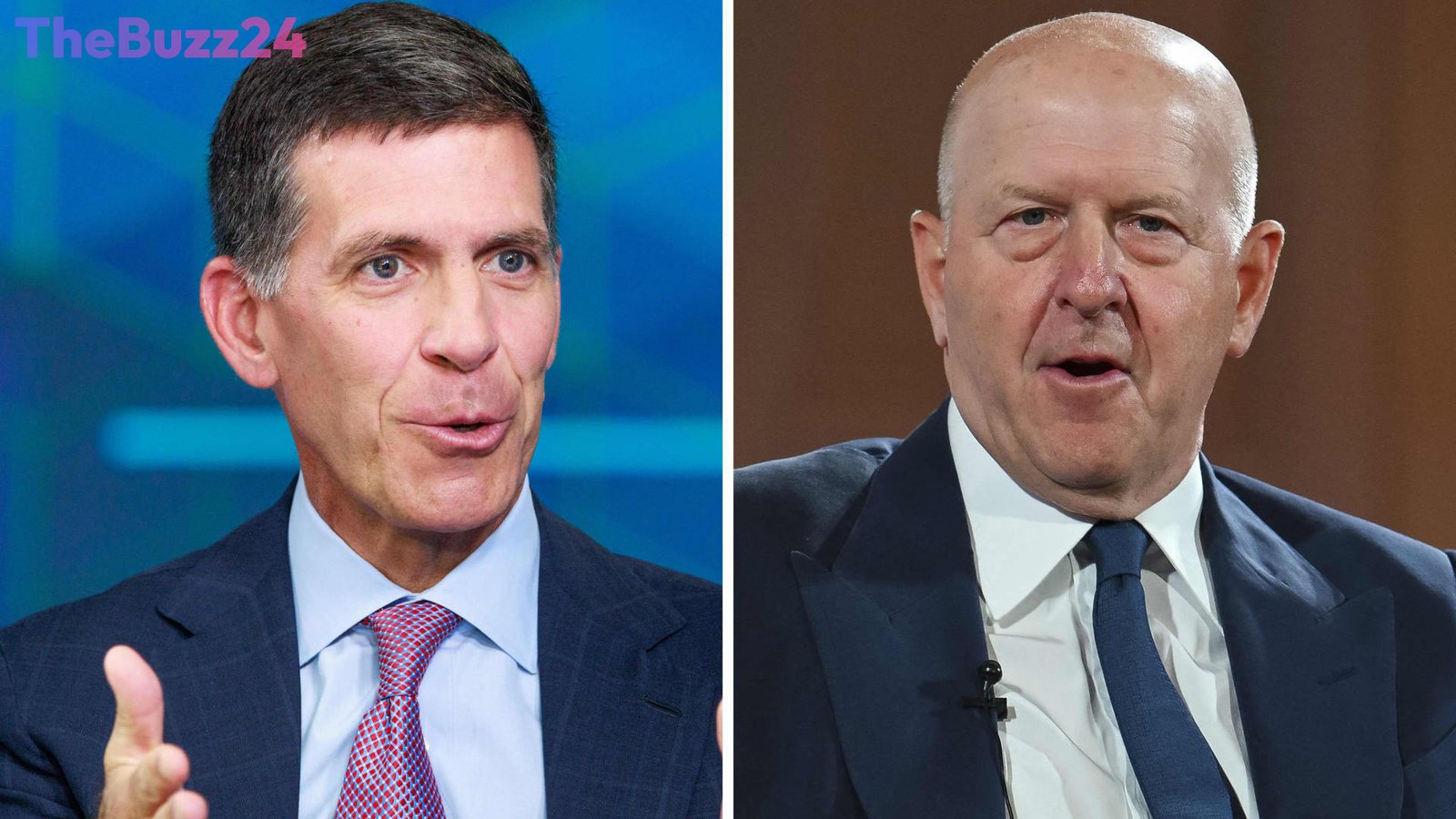
Goldman Sachs’ board is reportedly considering a leadership transition, with discussions focusing on potentially replacing current CEO David Solomon with president John Waldron as early as next year. While the plan would see Solomon move to the role of executive chairman, a significant hurdle may arise: Solomon’s potential reluctance to relinquish his CEO position and Waldron’s possible unwillingness to indefinitely postpone his own ascent.
This potential shift comes at a time when Goldman Sachs is experiencing a strong performance, advising on over $1 trillion in merger deals and generating substantial revenue from equities. The bank has successfully navigated challenges, including an earlier pivot into consumer banking, and is now recognized as a leading pure-play investment bank, benefiting from market rebounds and the burgeoning artificial intelligence sector. Despite this success, the board’s contemplation of a succession plan, which could be formalized in the coming months, highlights a proactive approach to leadership continuity.
Experts suggest that for a figure like Solomon, who has led the firm since 2018 and overseen significant stock appreciation, stepping down might be a difficult decision. The influence he holds as chairman of the board further complicates any potential move to oust him. However, the situation presents a delicate balance. If Solomon chooses to remain CEO, particularly amidst the perceived early stages of an AI-driven boom, it could create uncertainty for Waldron, who has reportedly attracted interest from other major financial firms. Goldman’s efforts to retain Waldron, including a substantial retention package, underscore his importance to the firm’s future leadership.
The dynamics of such a succession plan, where a successor might be waiting for an extended period, can create inherent tensions. The firm’s spokesman has stated that there is no definitive timeline for succession, emphasizing that boards routinely discuss leadership plans across various time horizons. The success of this transition will likely hinge on managing the expectations and ambitions of both key executives.
Key Takeaways
- Goldman Sachs' board is reportedly discussing replacing CEO David Solomon with president John Waldron, potentially by next year.
- A key challenge is whether Solomon is ready to step down and if Waldron is willing to wait for the CEO position.
- The bank's strong financial performance and Solomon's influence as chairman add complexity to the succession planning.
Editor’s Analysis & Impact
The reported CEO succession discussions at Goldman Sachs highlight a critical juncture for the venerable investment bank. While the firm is currently performing exceptionally well, the potential for a leadership transition introduces an element of uncertainty. The dual challenge of a CEO potentially unwilling to cede power and a successor who may not wait indefinitely could create internal friction. This situation underscores the broader trend of succession planning complexities in major financial institutions, especially when a leader has overseen a period of strong returns. The outcome will significantly impact Goldman’s strategic direction, particularly in navigating the ongoing AI revolution and maintaining its competitive edge on Wall Street.
Frequently Asked Questions
Q: Who are the key individuals involved in Goldman Sachs' CEO succession discussions?
A: The primary individuals are current CEO David Solomon and president John Waldron, who is reportedly being considered as his successor.
Q: What is the reported timeline for this potential CEO change?
A: Discussions reportedly suggest a potential change as early as next year, though a Goldman Sachs spokesman stated there is no definitive timeline.
Q: What are the main obstacles to this succession plan?
A: The main obstacles include David Solomon's potential reluctance to retire and John Waldron's possible unwillingness to wait indefinitely for the CEO role, especially given his market value to other firms.
AI Disclosure: This article is based on verified data and official reports. Our Team and AI have cross-referenced every financial detail with primary sources to ensure total accuracy.
More from this Category