Wabi 2.0 Shifts Focus to Agentic Messaging to Revolutionize Personal Productivity
Wabi, the startup previously recognized for its prompt-based app creation tools, is undergoing a strategic transformation. Under the leadership of founder Eugenia Kuyda, the company is pivoting toward a messaging-centric interface, rebranding its platform as Wabi 2.0. This evolution aims to position the service as a personal agent capable of managing tasks while dynamically generating custom software interfaces tailored to a user’s immediate needs.
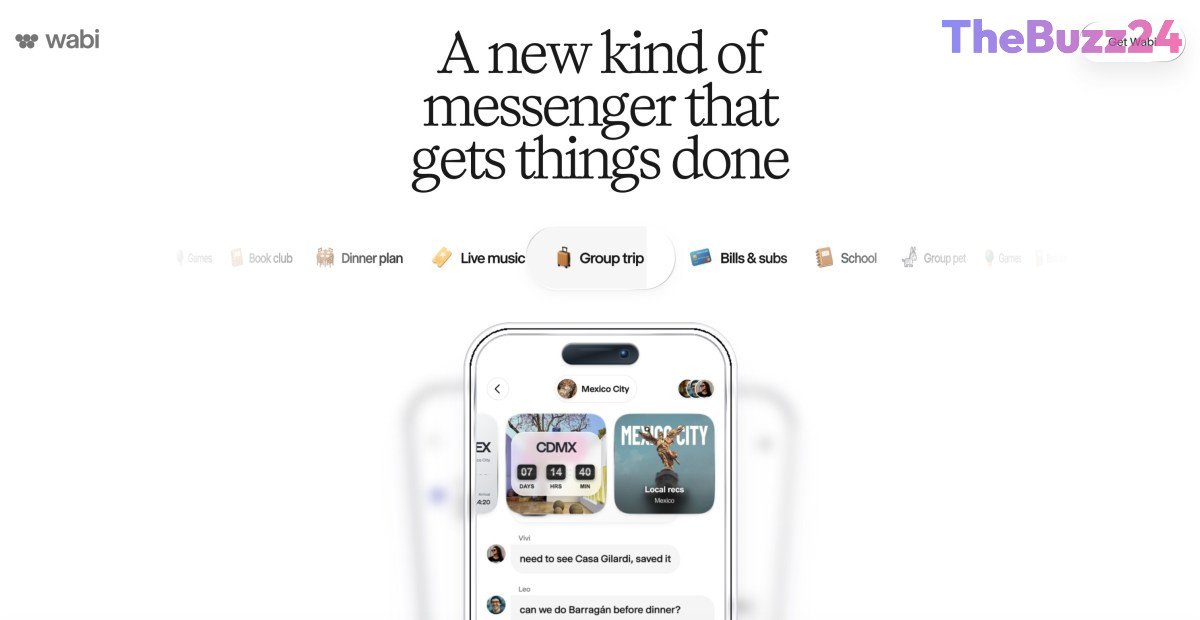
Kuyda, who also founded the AI companion firm Replika, envisions Wabi 2.0 as an operating system for the ‘agentic era.’ The core philosophy behind this shift is that pure text-based chat interfaces often become cluttered and inefficient for long-term task management. By integrating interactive elements—such as buttons, scrollable lists, and dedicated app views—directly into a messaging thread, Wabi 2.0 seeks to bridge the gap between conversational AI and functional software.
In practice, this means that when a user requests a specific task, the agent will not only provide information but also construct a mini-application on the fly. Examples include generating calorie trackers, weightlifting logs, or shared family calendars that live within the chat thread. This approach allows users to move beyond simple text prompts and interact with their data through a more intuitive, visual interface.
Currently, Wabi 2.0 is in an invite-only phase, with access codes being distributed through social media channels. As the industry moves toward more sophisticated AI agents, Wabi’s move to combine social messaging with on-demand software creation represents a significant attempt to redefine how consumers interact with artificial intelligence in their daily lives.
Key Takeaways
- Wabi 2.0 is transitioning from a standalone app builder to an integrated messaging platform that creates custom interfaces on demand.
- The platform aims to solve the 'endless scroll' problem of chat-only AI agents by providing visual, interactive tools within conversations.
- The service is currently in an invite-only beta phase, focusing on personal productivity, household management, and health tracking.
Editor’s Analysis & Impact
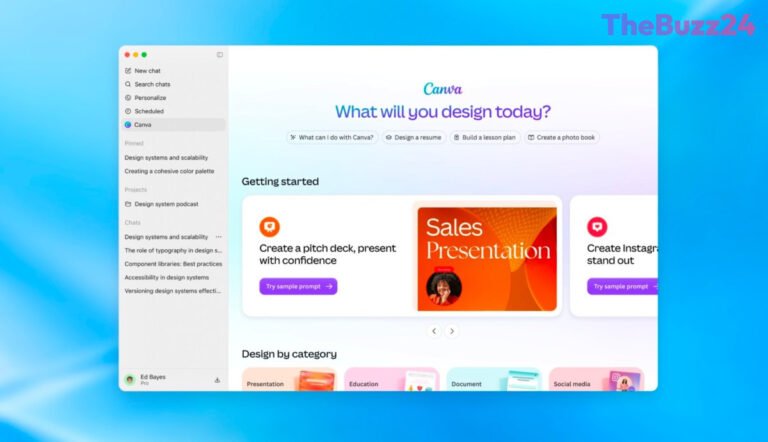
The pivot of Wabi 2.0 highlights a critical maturation phase in the AI industry: the transition from ‘chat-first’ interfaces to ‘agentic’ workflows. While early AI adoption focused on LLMs as conversational partners, the market is now demanding utility and persistence. By embedding functional UI elements into messaging threads, Wabi is addressing the inherent limitations of text-only history, which often becomes unmanageable for complex, multi-step tasks. This strategy aligns with broader industry trends, such as OpenAI’s efforts to integrate interactive plugins into ChatGPT. If successful, Wabi could set a new standard for ‘vibe-coding’ and personal agents, proving that the most effective AI tools are those that seamlessly blend conversational flexibility with the structured reliability of traditional software applications.
Frequently Asked Questions
Q: What is the main difference between Wabi 2.0 and previous AI chatbots?
A: Unlike standard chatbots that rely solely on text, Wabi 2.0 generates custom, interactive user interfaces (like trackers or calendars) within the chat thread to help users complete tasks more efficiently.
Q: How can I access Wabi 2.0?
A: Wabi 2.0 is currently in an invite-only phase. Access codes are being distributed primarily through the company's social media presence on X.
AI Disclosure: This article is based on verified data and official reports. Our Team and AI have cross-referenced every financial detail with primary sources to ensure total accuracy.
More from this Category