OpenAI Transforms ChatGPT into a Software Hub with Interactive App Extensions and Automations
OpenAI is accelerating its push to turn ChatGPT into a centralized platform for work and productivity. Unveiled during the company’s recent DevDay presentations, a major overhaul to its integration architecture will allow developers to embed fully interactive, application-like experiences directly within the ChatGPT interface.
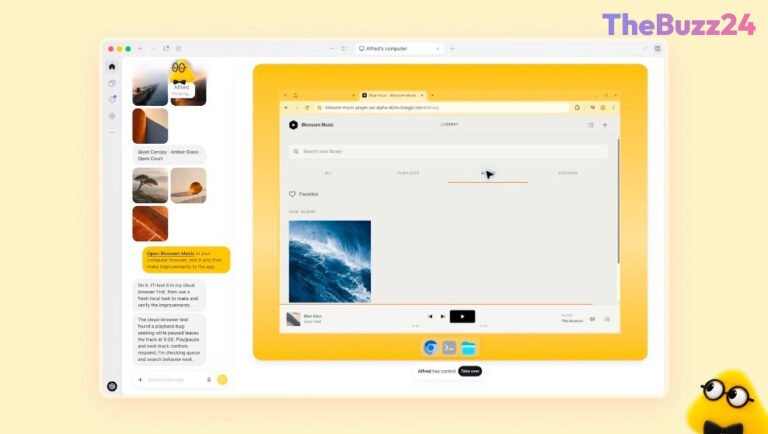
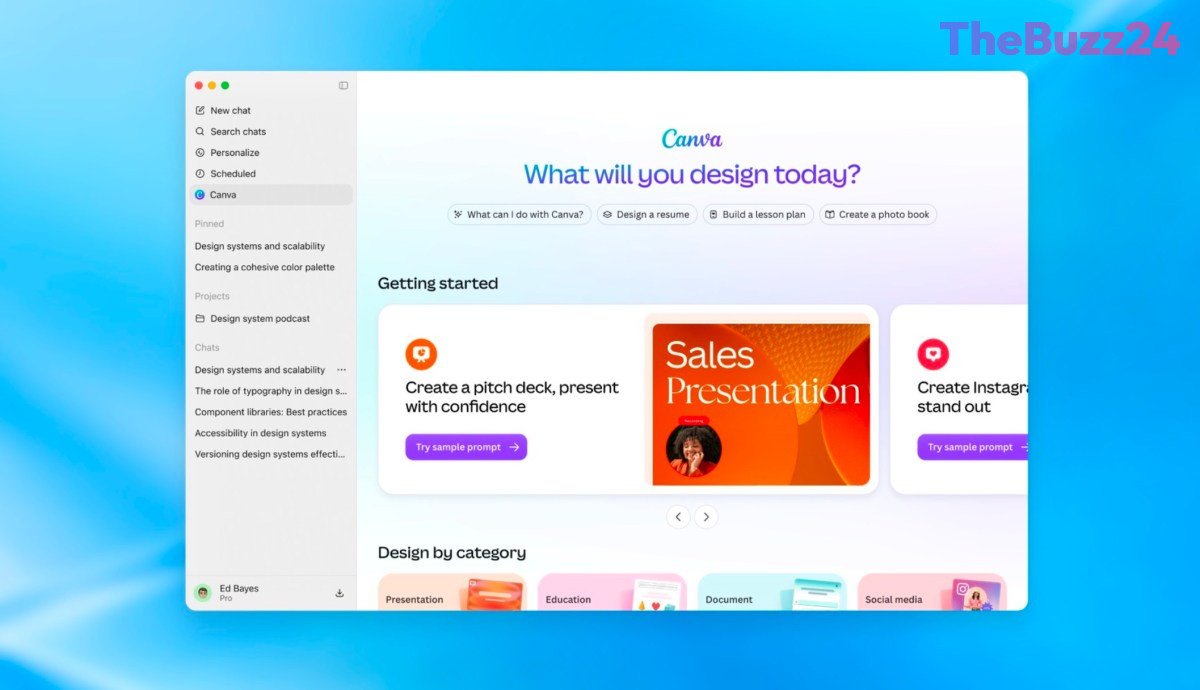
While previous plug-in iterations primarily operated via conversational text prompts, the new plug-in extensions introduce dedicated sidebar placements. Through this expanded design, developers can construct persistent interactive panels, enabling users to view custom file formats, manipulate data, and operate external services—such as Airtable, Google Drive, or Slack—side-by-side with conversational assistance.
To foster wider ecosystem adoption, OpenAI has launched a dedicated Plugin Creator tool, coupled with an updated directory submission process featuring enhanced developer feedback. The platform’s marketplace is also receiving smarter recommendation and discovery algorithms, while giving end users granular permission controls over the specific data each plug-in can access. Additionally, these extensions will integrate with ChatGPT Sites, allowing users to build lightweight, shareable web interfaces accessible by teammates with customized permissions.
Deepening its automation roadmap, OpenAI has incorporated support for the emerging MCP Events specification. This protocol enables plug-ins to monitor external software changes and automatically initiate automated workflows, marking a transition toward proactive, autonomous agent capabilities.
Key Takeaways
- OpenAI introduced plug-in extensions that bring dedicated interactive panels and custom file viewers into the ChatGPT sidebar.
- Developers gain a new Plugin Creator tool, an updated submission pipeline, and support for embedding tools into ChatGPT Sites.
- Support for the MCP Events standard enables event-driven automations, allowing plug-ins to act independently on external triggers.
Editor’s Analysis & Impact
OpenAI’s latest architecture shift signals a strategic ambition to evolve ChatGPT from a conversational assistant into a full-fledged operating layer for productivity. By incorporating persistent UI panels, event-driven triggers, and custom file rendering, OpenAI is positioning its interface as the primary workspace, reducing the need for users to switch between fragmented SaaS applications. This move could challenge traditional enterprise software providers by turning their services into background utilities orchestrated by AI. If developers embrace the new tools, OpenAI stands to create an ecosystem lock-in comparable to modern mobile app stores, cementing its dominance in enterprise AI.
Frequently Asked Questions
Q: How do the new ChatGPT plug-in extensions differ from older plug-ins?
A: Unlike traditional plug-ins that relied exclusively on text-based chat responses, the new extensions feature dedicated sidebar placements, interactive UI panels, and support for proprietary file viewers.
Q: What is the purpose of the MCP Events specification support?
A: The MCP Events specification allows ChatGPT plug-ins to listen for events occurring in connected third-party tools and trigger automated workflows automatically without requiring manual user intervention.
Q: Can teams share plug-in-enabled workspaces?
A: Yes. Plug-ins can be hosted on ChatGPT Sites, enabling users to create and share lightweight internal web tools with colleagues using their own specific data access permissions.
AI Disclosure: This article is based on verified data and official reports. Our Team and AI have cross-referenced every financial detail with primary sources to ensure total accuracy.
More from this Category