Boeing Secures $20 Billion U.S. Navy Contract for Next-Generation F/A-XX Fighter Jet
Boeing experienced a notable premarket boost, climbing over 3% following the announcement that it has secured a massive $20 billion contract with the U.S. Navy and Pentagon. The agreement focuses on the full-scale development of the Sixth-Generation F/A-XX Strike Fighter, designed to eventually phase out the aging fleet of F/A-18 Super Hornets. The new aircraft is engineered to incorporate advanced mission systems, open architecture, and extended operational capacities to dominate future contested airspaces.
This high-profile defense win marks the second major sixth-generation fighter jet contract awarded to Boeing within a year, following its selection by the Air Force for the F-47 fighter project. While Boeing celebrated this multi-billion-dollar triumph, competitor Northrop Grumman saw its shares slide by 3.5% in premarket trading after losing out on the competitive bidding process.
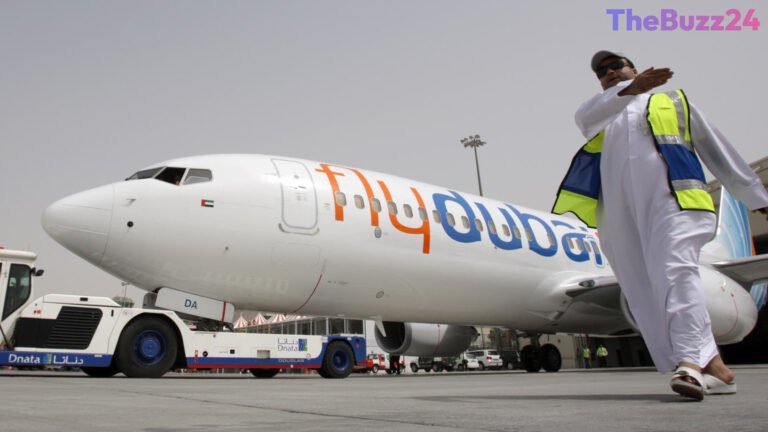
Simultaneously, the aerospace giant continues to navigate regulatory hurdles on the commercial side. The Federal Aviation Administration recently announced a delay in the certification of the 737 Max 10 due to a newly identified software glitch affecting specific landing procedures. While federal regulators evaluate whether the glitch presents a definitive safety risk, the dual focus on high-stakes defense contracts and commercial oversight highlights a complex period for the manufacturer.
Key Takeaways
- Boeing secured a $20 billion U.S. Navy contract to develop the Sixth-Generation F/A-XX Strike Fighter.
- Competitor Northrop Grumman saw its shares drop 3.5% in premarket trading following the announcement.
- The FAA recently delayed the certification of Boeing's 737 Max 10 due to an ongoing review of a software glitch.
Editor’s Analysis & Impact
The securing of the $20 billion F/A-XX contract serves as a massive financial and strategic win for Boeing, reinforcing its dominant position in the defense sector amidst ongoing commercial aviation challenges. This multi-year defense pipeline provides steady revenue and bolsters investor confidence, helping to offset short-term headwinds in the commercial division, such as the 737 Max 10 certification delays. Meanwhile, the drop in Northrop Grumman’s stock underscores the high-stakes, winner-take-all nature of modern defense procurement. Looking ahead, Boeing’s ability to successfully execute both its classified military aviation programs and resolve commercial regulatory bottlenecks will be the primary catalyst for its long-term market valuation.
Frequently Asked Questions
Q: What is the purpose of the new Boeing F/A-XX contract?
A: The $20 billion contract is for the full-scale development of the Sixth-Generation F/A-XX Strike Fighter, which will eventually replace the U.S. Navy's fleet of F/A-18 Super Hornets.
Q: How did the stock market react to the announcement?
A: Boeing shares rose by approximately 3.1% in premarket trading following the news, whereas competitor Northrop Grumman saw its shares fall by 3.5%.
Q: Why was the certification of the Boeing 737 Max 10 delayed?
A: The FAA delayed certification due to a software glitch identified in some 737 Max 10 aircraft that could impact certain landing procedures, prompting a thorough safety review.
AI Disclosure: This article is based on verified data and official reports. Our Team and AI have cross-referenced every financial detail with primary sources to ensure total accuracy.
More from this Category