Senate Democrats Block GOP-Led Bills on Congressional Stock Trading and Data Center Energy Costs
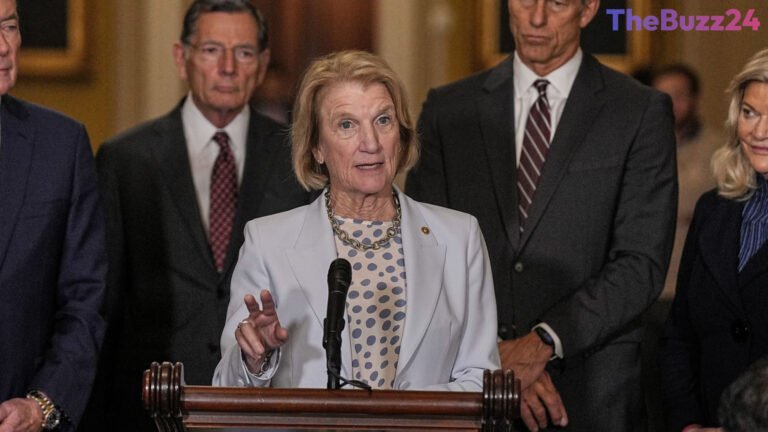
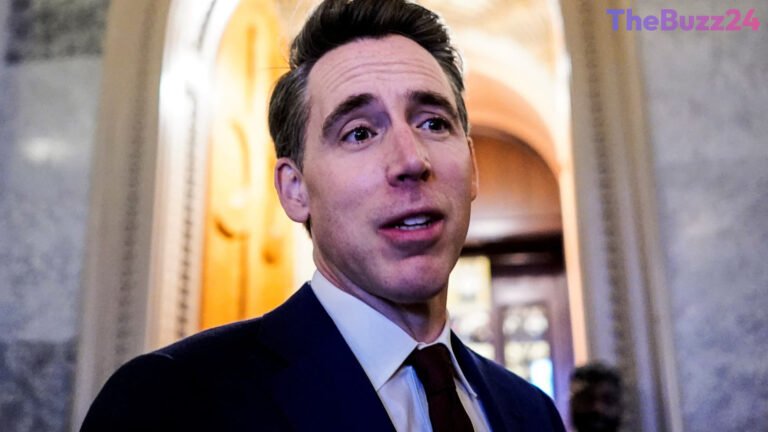
Senate Democrats have successfully blocked two Republican-sponsored bills in the final legislative session before the upcoming election recess. The defeated measures sought to implement a ban on individual stock trading for members of Congress and establish a regulatory framework to address rising utility costs associated with large-scale artificial intelligence data centers. Both bills failed to reach the 60-vote threshold required to overcome a filibuster, falling short on party-line votes.
The Ratepayer Protection Act, which aimed to prevent data center energy costs from being passed on to residential consumers, was defeated 57-43. Critics within the Democratic caucus dismissed the legislation as a “toothless” and optional framework that failed to provide meaningful protections. Similarly, the Stop Insider Trading Act, which would have prohibited lawmakers from purchasing individual stocks, was rejected 53-47. Democrats argued that the bill was insufficient because it did not require the divestment of existing portfolios and included a controversial voter-identification provision that they labeled a “poison pill.”
Republican lawmakers have framed the defeat as a missed opportunity for bipartisan reform, suggesting that the opposition is out of touch with public demand for accountability and affordability. Conversely, Democratic leadership maintained that the proposals were performative rather than substantive, calling for more rigorous legislation that addresses the root causes of insider trading and energy infrastructure costs. As lawmakers head back to their home states for the campaign season, these failed votes are expected to become central talking points in the lead-up to the 2026 midterm elections.
Key Takeaways
- Senate Democrats blocked two GOP-led bills, one targeting congressional stock trading and another addressing data center energy costs.
- The bills failed to meet the 60-vote threshold required to bypass a filibuster, with Democrats labeling the proposals as ineffective and performative.
- The failed legislation is expected to become a significant campaign issue as lawmakers return to their districts for the midterm election cycle.
Editor’s Analysis & Impact
The failure of these bills highlights the deepening partisan divide in the Senate, where legislative efforts are increasingly being used as messaging tools for the campaign trail rather than vehicles for policy change. The data center bill reflects a growing national tension between the rapid expansion of AI infrastructure and the strain it places on local power grids and consumer utility rates. Meanwhile, the stock trading ban remains a highly popular issue among the public, yet it continues to stall due to disagreements over the scope of enforcement and the inclusion of unrelated provisions. The inability to pass these measures suggests that significant regulatory reform regarding congressional ethics and energy policy will remain gridlocked until at least the next legislative session, leaving voters to weigh these failures as they head to the polls.
Frequently Asked Questions
Q: Why did Senate Democrats oppose the stock trading ban?
A: Democrats argued the bill was a 'theatrical farce' because it did not require members to divest existing portfolios and included a controversial voter-identification provision they opposed.
Q: What was the primary goal of the Ratepayer Protection Act?
A: The bill aimed to create a regulatory framework that would require large AI data centers to cover their own energy costs rather than passing those expenses on to residential utility customers.
AI Disclosure: This article is based on verified data and official reports. Our Team and AI have cross-referenced every financial detail with primary sources to ensure total accuracy.
More from this Category