Bipartisan Senate Group Reaches Landmark Construction Permitting Deal
A bipartisan coalition of lawmakers has successfully negotiated a comprehensive construction permitting reform agreement just as the Senate prepares to recess ahead of the November midterm elections. This breakthrough sets the stage for a high-stakes legislative push during the upcoming lame-duck session, tackling a critical priority for American infrastructure and energy sectors.
For years, lawmakers have sought to modernize and streamline the intricate web of federal regulations that often delay critical energy and infrastructure projects for years. The newly unveiled legislation, officially named the Bipartisan American Affordability and Jobs Act, aims to remove these regulatory bottlenecks. By accelerating approvals, the framework is designed to support the rapid expansion of both traditional fossil-fuel energy and renewable power sources, ensuring the grid can keep pace with surging electricity demands.
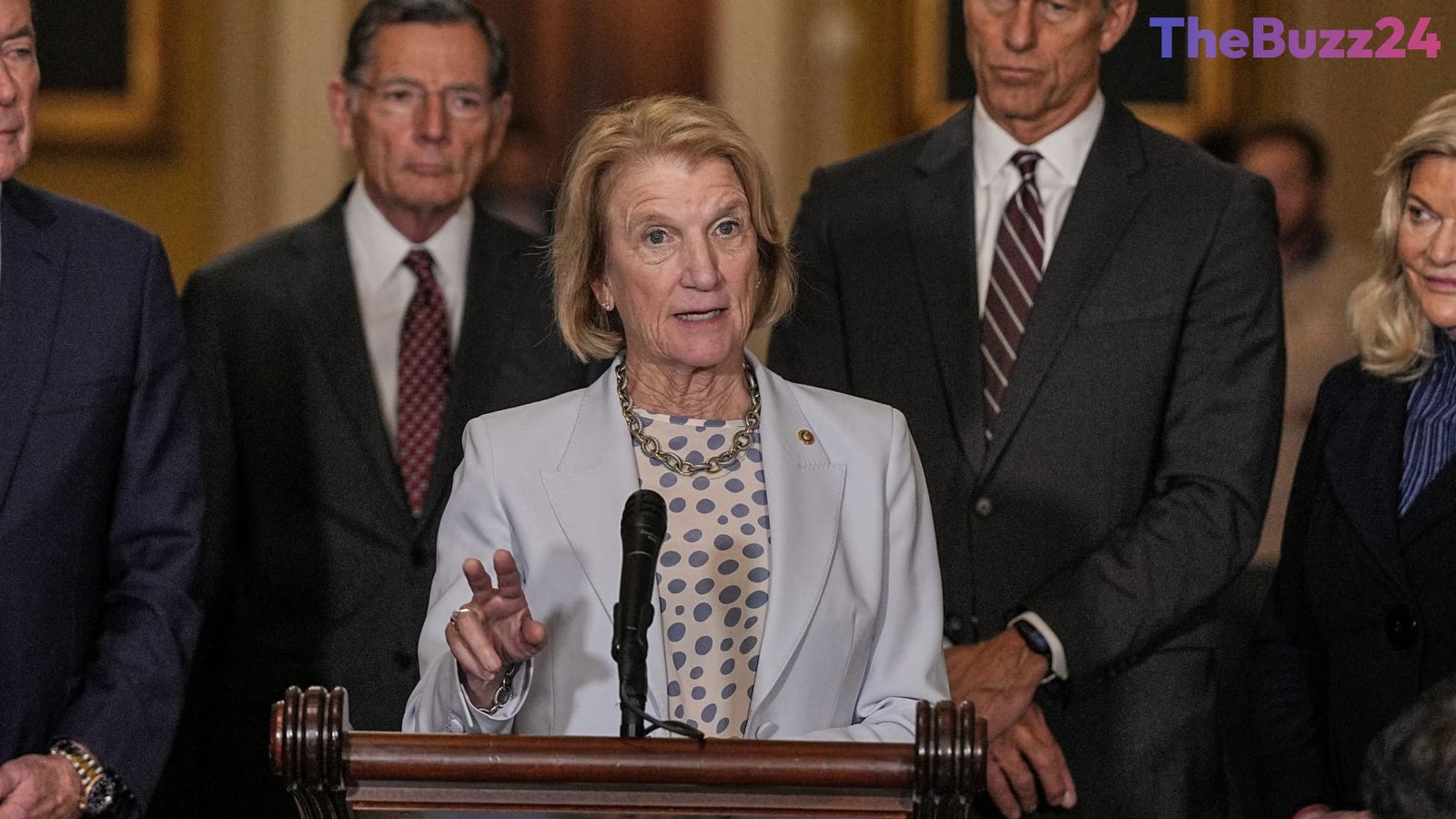
Crafted by a diverse group of senators including Shelley Moore Capito, Sheldon Whitehouse, Mike Lee, and Martin Heinrich, the bill also addresses modern technological demands. Specifically, the legislation mandates that data center developers cover their own energy transmission costs, easing the financial burden on everyday ratepayers. Proponents argue the compromise will successfully lower overall energy costs while modernizing national infrastructure.
With the agreement now finalized, leadership has signaled that the measure will be among the very first legislative items addressed when lawmakers return to Washington for the post-election lame-duck session. The widespread bipartisan backing increases the likelihood of meaningful reform finally making its way to the legislative floor.
Key Takeaways
- Senators reached a bipartisan construction permitting agreement known as the Bipartisan American Affordability and Jobs Act.
- The legislation aims to streamline lengthy federal review processes to accelerate both traditional and clean energy infrastructure projects.
- Data center developers will be required to pay their own energy transmission costs under the terms of the new bill.
Editor’s Analysis & Impact
The bipartisan agreement on federal permitting reform represents a critical turning point for American energy and infrastructure development. For years, regulatory delays have served as a primary bottleneck for project deployment, hindering the expansion of traditional and renewable energy alike. By addressing these bureaucratic hurdles, the proposed legislation could unlock substantial capital investments across the energy sector. Furthermore, shifting transmission costs onto data center developers reflects a necessary policy adjustment to protect consumers from the massive electricity demands of modern computing infrastructure. If successfully passed during the lame-duck session, this framework will significantly alter the regulatory landscape, providing greater certainty and efficiency for large-scale construction projects nationwide.
Frequently Asked Questions
Q: What is the name of the newly proposed permitting legislation?
A: The bill is officially titled the Bipartisan American Affordability and Jobs Act.
Q: Which lawmakers negotiated the bipartisan deal?
A: The agreement was struck by Senators Shelley Moore Capito, Sheldon Whitehouse, Mike Lee, and Martin Heinrich.
Q: How does the bill affect data center developers?
A: The legislation requires data center developers to pay their own energy transmission costs instead of passing those expenses onto standard ratepayers.
AI Disclosure: This article is based on verified data and official reports. Our Team and AI have cross-referenced every financial detail with primary sources to ensure total accuracy.
More from this Category