NASA Launches Overlap Zoo: Citizen Scientists Needed to Map Cosmic Dust
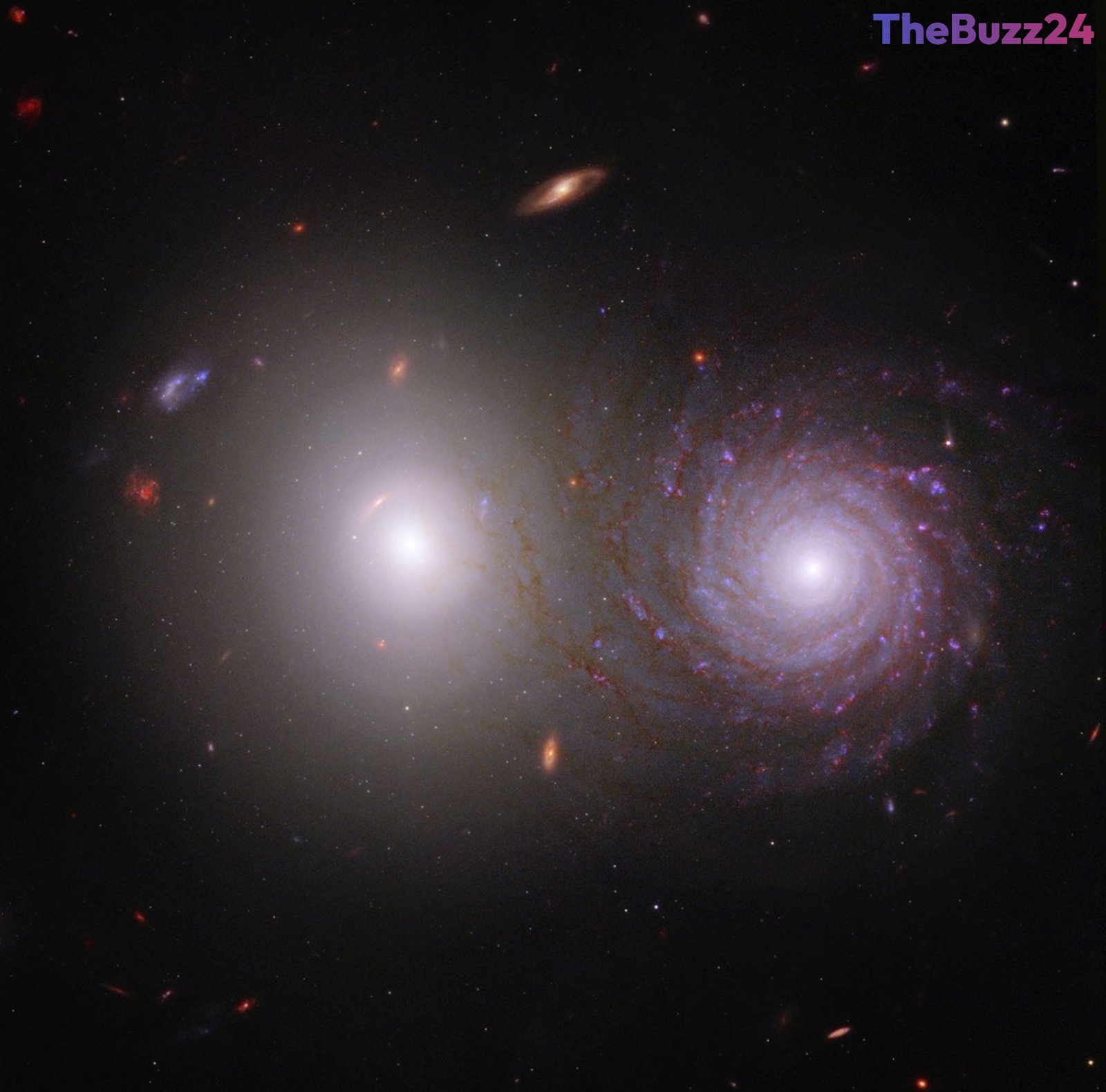
NASA has officially launched a new citizen science initiative titled ‘Overlap Zoo,’ inviting the public to assist astronomers in identifying and analyzing rare overlapping galaxy pairs. These cosmic alignments occur when two galaxies appear to overlap from the perspective of Earth or space-based telescopes, providing a unique opportunity to study the distribution of interstellar dust. By acting as a ‘cosmic flashlight,’ the background galaxy illuminates the dust within the foreground galaxy, casting silhouettes that allow researchers to measure how light is scattered, dimmed, or blocked.
Understanding the behavior of this dust is critical for modern astronomy, as it directly influences how scientists calculate the distances to faraway celestial objects. However, the sheer volume of data generated by advanced telescopes has made it impossible for professional astronomers to manually classify every potential galaxy pair. Project lead Trevor Butrum noted that public participation is essential for building a comprehensive, high-quality catalog that will serve as the foundation for future deep-space research.
Volunteers do not need prior astronomical experience to participate. The project provides training on how to verify galaxy pairs, classify their specific features, and outline their structures. By contributing just a few minutes of time, participants help refine the accuracy of astronomical measurements and contribute to a better understanding of the composition of the universe. Those interested in contributing to this scientific effort can access the Overlap Zoo platform online to begin classifying images immediately.
Key Takeaways
- NASA's Overlap Zoo project enlists citizen scientists to identify overlapping galaxies that act as natural laboratories for studying cosmic dust.
- The project aims to create the first large-scale, high-quality catalog of galaxy pairs to improve the accuracy of distance estimates in space.
- No prior experience is required to participate, as the platform provides all necessary training for volunteers to classify and outline galaxy images.
Editor’s Analysis & Impact
The launch of Overlap Zoo represents a growing trend in ‘crowdsourced science,’ where professional research institutions leverage the collective intelligence of the public to overcome data bottlenecks. As telescope technology advances, the volume of raw imagery has outpaced the capacity for human analysis, making citizen science not just a helpful outreach tool, but a functional necessity. This project has significant implications for cosmology; by mapping dust distribution more accurately, astronomers can reduce errors in distance measurements, which are fundamental to understanding the expansion rate of the universe. The success of this initiative could set a precedent for future large-scale data classification projects, demonstrating that public engagement can directly accelerate breakthroughs in high-level astrophysics and observational science.
Frequently Asked Questions
Q: Do I need a background in astronomy to participate in Overlap Zoo?
A: No, you do not need any prior experience. The project is designed for the general public and provides all the necessary training and guidance to help you identify and classify galaxy pairs.
Q: Why are overlapping galaxies important for astronomers?
A: Overlapping galaxies allow astronomers to use the light from a background galaxy to 'backlight' the dust in a foreground galaxy. This helps researchers map the distribution of dust and understand how it affects light, which is crucial for calculating accurate distances to objects in space.
AI Disclosure: This article is based on verified data and official reports. Our Team and AI have cross-referenced every financial detail with primary sources to ensure total accuracy.
More from this Category