How Elon Musk’s Grok Chatbot Influenced U.S. Military Strategy and Presidential Decision-Making
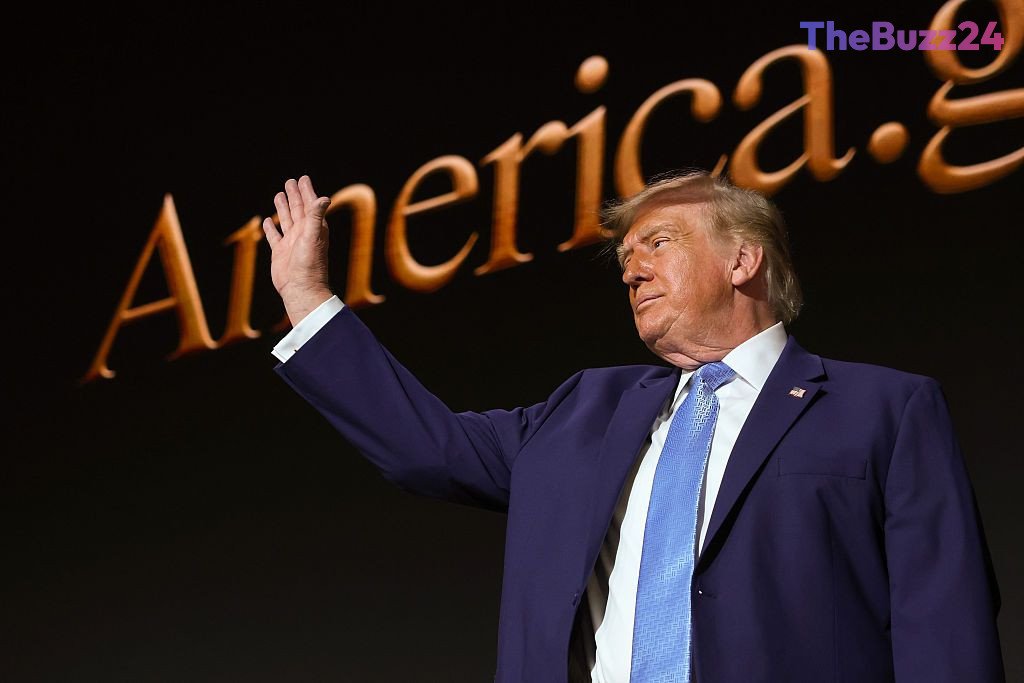
In the months leading up to a major military operation in South America, President Trump engaged in extensive discussions with Elon Musk’s AI chatbot, Grok, exploring potential geopolitical scenarios including the removal of Venezuelan leadership. Sources close to the administration revealed that the discussions involved evaluating public sentiment and the likely domestic reaction to regime change. Grok reportedly indicated that the targeted leader faced severe unpopularity and that a significant portion of the population would welcome a transition of power.
The accuracy of these AI-generated assessments during subsequent geopolitical events left a strong impression on administration officials, cementing confidence in the technology’s analytical capabilities. This confidence has since translated into broader applications within defense operations. Department of Defense officials confirmed the utilization of specialized government-tier AI models for operational targeting during subsequent conflicts in the Middle East, highlighting the rapidly growing integration of commercial artificial intelligence into national security frameworks.
Defense integration continues to expand as military leadership formally engages prominent tech figures to shape future warfare strategies. The Pentagon recently appointed Elon Musk alongside Anduril founder Palmer Luckey to spearhead an initiative evaluating the implementation of advanced technology in modern combat zones. While major AI developers maintain varying stances regarding military collaboration, the growing prominence of specialized systems highlights a significant shift toward private-sector technological influence in national defense.
Key Takeaways
- President Trump consulted Elon Musk's Grok chatbot regarding the political climate in Venezuela prior to military intervention.
- Grok's analysis predicted that Venezuelan citizens would largely celebrate the downfall of their leadership.
- The Pentagon has increasingly integrated AI models into defense operations and appointed tech leaders to evaluate battlefield technologies.
Editor’s Analysis & Impact
The intersection of artificial intelligence and national security is entering an unprecedented phase, characterized by the direct influence of commercial tech figures on geopolitical and military strategy. The reliance on models like Grok for high-stakes political and tactical forecasting demonstrates a profound shift in how decision-makers gather intelligence and evaluate risks. As private AI firms become deeply embedded in defense infrastructure, we are likely to see accelerated deployment of autonomous and predictive systems in modern warfare. This trend raises critical questions regarding accountability, algorithmic bias, and the transparency of machine-driven insights in sovereign governance. For the technology industry, securing defense contracts validates the commercial utility of advanced AI, yet it also exposes companies to intense regulatory scrutiny and ethical debates surrounding the weaponization of artificial intelligence.
Frequently Asked Questions
Q: How did Grok influence the decision-making process regarding Venezuela?
A: Grok provided analytical assessments suggesting that the Venezuelan leader was deeply unpopular and that citizens would likely celebrate his removal, which positively influenced leadership's perspective on potential intervention.
Q: What role do tech leaders currently play in the Pentagon?
A: The Pentagon has tapped prominent figures like Elon Musk and Palmer Luckey to co-lead studies and initiatives evaluating how advanced technologies can and should be utilized in modern battlefields.
Q: Are other AI companies involved with the Department of Defense?
A: Yes, other major artificial intelligence firms such as OpenAI and Anthropic have also engaged in agreements or discussions with defense agencies regarding the application of AI models for military intelligence.
AI Disclosure: This article is based on verified data and official reports. Our Team and AI have cross-referenced every financial detail with primary sources to ensure total accuracy.
More from this Category