Google Tests AI Chips in Orbit While Analyzing SpaceX’s Path to Cheap Space Access
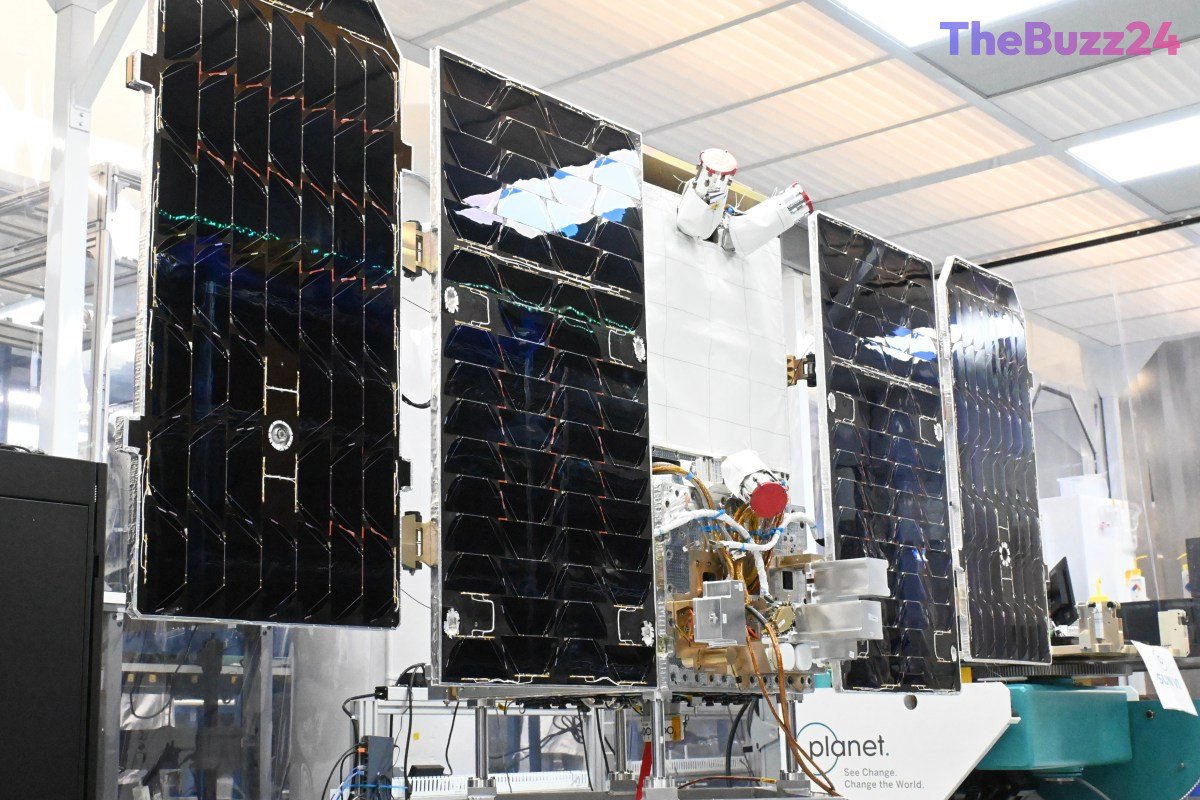
Google has officially taken a major step toward orbital computing by launching its proprietary Tensor Processing Unit (TPU) into space on board a SpaceX rocket from California. Built in partnership with Planet Labs, the prototype satellite is designed to demonstrate that Google’s advanced AI chips can survive and function effectively in the harsh environment of space. The mission aims to supply continuous power, manage thermal cooling, and run a series of operational models to evaluate performance under real-world conditions.
This initial flight marks the beginning of Project Suncatcher, Google’s ambitious long-term initiative to develop large-scale compute clusters in Earth’s orbit. While the current satellite will operate in short, 15-minute bursts to protect its systems, upcoming demonstrations scheduled for next year will involve purpose-built satellites communicating via laser links to handle heavier workloads. The ultimate vision includes establishing an orbital network of 81 satellites flying in tight formation to process parallel AI workloads seamlessly.
Simultaneously, Google published a comprehensive peer-reviewed white paper in Joule detailing the infrastructure and economic hurdles of bringing massive data centers into orbit. The analysis explores how decreasing launch costs could facilitate future space-based infrastructure. Projecting a 20% annual cost-reduction curve for SpaceX’s launch capabilities, researchers estimate that achieving cost-effective pricing by 2035 will require SpaceX’s Starship to deliver massive payloads through roughly 1,800 flights over the next decade. Although this presents an unprecedented cadence for heavy-lift rocketry, the technological convergence of space infrastructure and artificial intelligence continues to gain serious momentum.
Key Takeaways
- Google successfully launched its first Tensor Processing Unit (TPU) into space aboard a SpaceX rocket in collaboration with Planet Labs.
- The mission is part of Project Suncatcher, a long-term initiative aiming to build networked orbital data centers for future AI workloads.
- Google's newly released research estimates that affordable orbital compute will require SpaceX's Starship to execute roughly 1,800 launches over the next decade.
Editor’s Analysis & Impact
Google’s foray into orbital computing highlights a fascinating convergence between the artificial intelligence boom and the commercial space industry. As terrestrial data centers face escalating power constraints, cooling demands, and grid limitations, the prospect of space-based compute powered by uninterrupted solar energy becomes increasingly attractive. However, as Google’s own economic analysis points out, the viability of orbital data centers is inextricably linked to the rapid scaling and cost-reduction of heavy-lift launch vehicles like SpaceX’s Starship. If launch costs can indeed plummet to projected targets over the next ten years, we could witness the nascent stages of an off-world digital infrastructure. Nevertheless, achieving the required flight cadences remains a monumental engineering and regulatory hurdle that will test the boundaries of modern aerospace capabilities.
Frequently Asked Questions
Q: What is Project Suncatcher?
A: Project Suncatcher is Google's long-term initiative aimed at developing large-scale compute clusters and orbital data centers in space.
Q: Why is Google testing TPUs in space?
A: Google is testing its Tensor Processing Unit (TPU) chips in orbit to prove they can withstand radiation, manage thermal cooling, and handle continuous power constraints necessary for future AI workloads.
Q: How many Starship launches does Google estimate are needed for cheap space access?
A: Based on projected cost-reduction curves, Google's research suggests Starship would need to perform approximately 1,800 launches over the next decade to achieve highly economical payload delivery prices.
AI Disclosure: This article is based on verified data and official reports. Our Team and AI have cross-referenced every financial detail with primary sources to ensure total accuracy.
More from this Category