Fervo Energy Ignites Enhanced Geothermal Era with Rapid Power Plant Completion
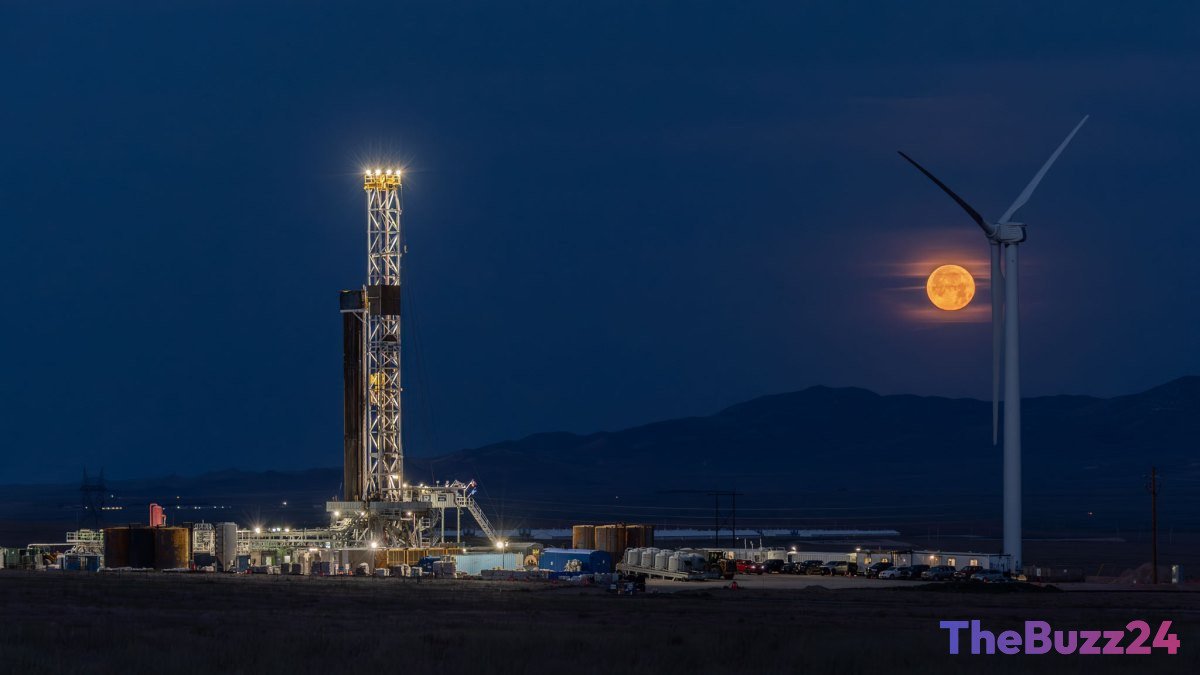
Fervo Energy has achieved a significant milestone in the renewable energy sector, announcing the successful connection of its Cape Station power plant to the grid. This marks the first time an enhanced geothermal project has reached a key commercial stage, delivering electricity ahead of its scheduled September 30 deadline.
The initial phase of the Cape Station plant is now operational, contributing a portion of its planned 100-megawatt capacity. The facility, located in a region with significant geothermal potential, could eventually scale up to generate as much as 4 gigawatts, positioning it as a major contributor to clean energy supply.
“No team has ever built a project like this anywhere in the world, and we did it ahead of schedule,” stated Fervo co-founder and CEO Tim Latimer. The company highlighted the impressive 23-month timeline from groundbreaking to commercial operation for the first block. Fervo aims to further accelerate this process, targeting completion of future expansions in as little as 18 months, a pace that could significantly impact the speed of renewable energy deployment.
This rapid development and scalable nature of enhanced geothermal power make it an attractive option for energy-intensive industries, such as data centers, which are actively seeking reliable and substantial sources of clean electricity. Companies like Google and Southern California Edison have already committed to purchasing power from the Cape Station project, underscoring the growing demand for such innovative energy solutions. Fervo’s approach involves drilling deeper to access hotter rock formations, utilizing advanced drilling techniques adapted from the oil and gas industry, a strategy that has garnered substantial investment and support.
Key Takeaways
- Fervo Energy's Cape Station is the first enhanced geothermal power plant to reach commercial operation.
- The project was completed in an industry-leading 23 months, with plans to reduce future build times.
- The plant's scalable design and rapid deployment potential are attracting major power purchasers like Google and Southern California Edison.
Editor’s Analysis & Impact
Fervo Energy’s achievement with the Cape Station project represents a significant leap forward for enhanced geothermal power. The rapid construction timeline challenges conventional perceptions of large-scale energy infrastructure development and highlights the potential for geothermal energy to contribute meaningfully to decarbonization efforts. The ability to scale projects and the appeal to data center operators, who require consistent and substantial power, suggest a strong market fit. This success could catalyze further investment and innovation in the enhanced geothermal sector, potentially positioning it as a key player in the global transition to clean energy, especially in regions with suitable geological conditions.
Frequently Asked Questions
Q: What is enhanced geothermal power?
A: Enhanced geothermal systems (EGS) involve creating or improving geothermal reservoirs by fracturing hot rock deep underground and circulating water through it to generate steam for electricity production. Unlike traditional geothermal, which relies on naturally occurring hydrothermal resources, EGS can be deployed in a wider range of geological locations.
Q: How does Fervo Energy's approach differ from traditional geothermal?
A: Fervo Energy utilizes advanced drilling techniques and technologies adapted from the oil and gas industry to access deeper, hotter rock formations. This allows them to create engineered geothermal reservoirs, expanding the potential for geothermal energy generation beyond areas with natural hydrothermal activity.
Q: Why is the speed of construction important for geothermal projects?
A: The rapid completion of the Cape Station project is crucial because it demonstrates that large-scale renewable energy infrastructure can be built much faster than previously thought. This speed is vital for meeting urgent climate goals and for industries like data centers that need to scale their power supply quickly to meet growing demand.
AI Disclosure: This article is based on verified data and official reports. Our Team and AI have cross-referenced every financial detail with primary sources to ensure total accuracy.
More from this Category