Trump Rebrands AI as ‘Super Intelligence’ in Landmark Summit with Top Tech Executives
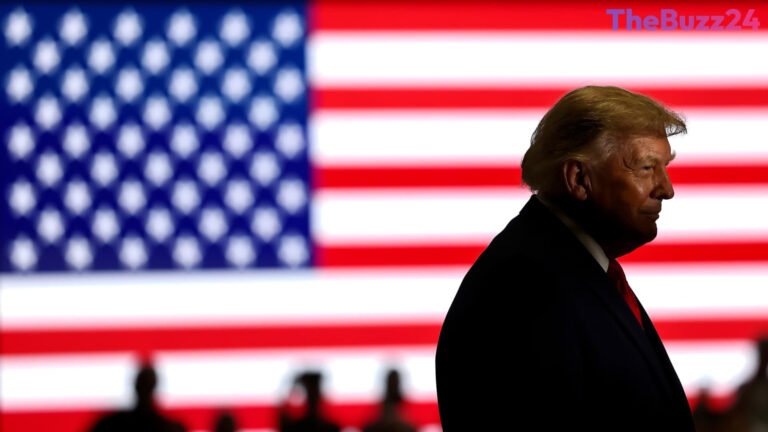
In a sweeping symbolic pivot, President Donald Trump gathered the nation’s premier technology executives at the White House to announce an official government-wide rebranding of artificial intelligence to “super intelligence.” Under a newly signed executive directive, official United States representatives are instructed to adopt the updated terminology, signaling an administrative push to reposition the burgeoning technology as an engine of economic growth rather than a looming existential threat.
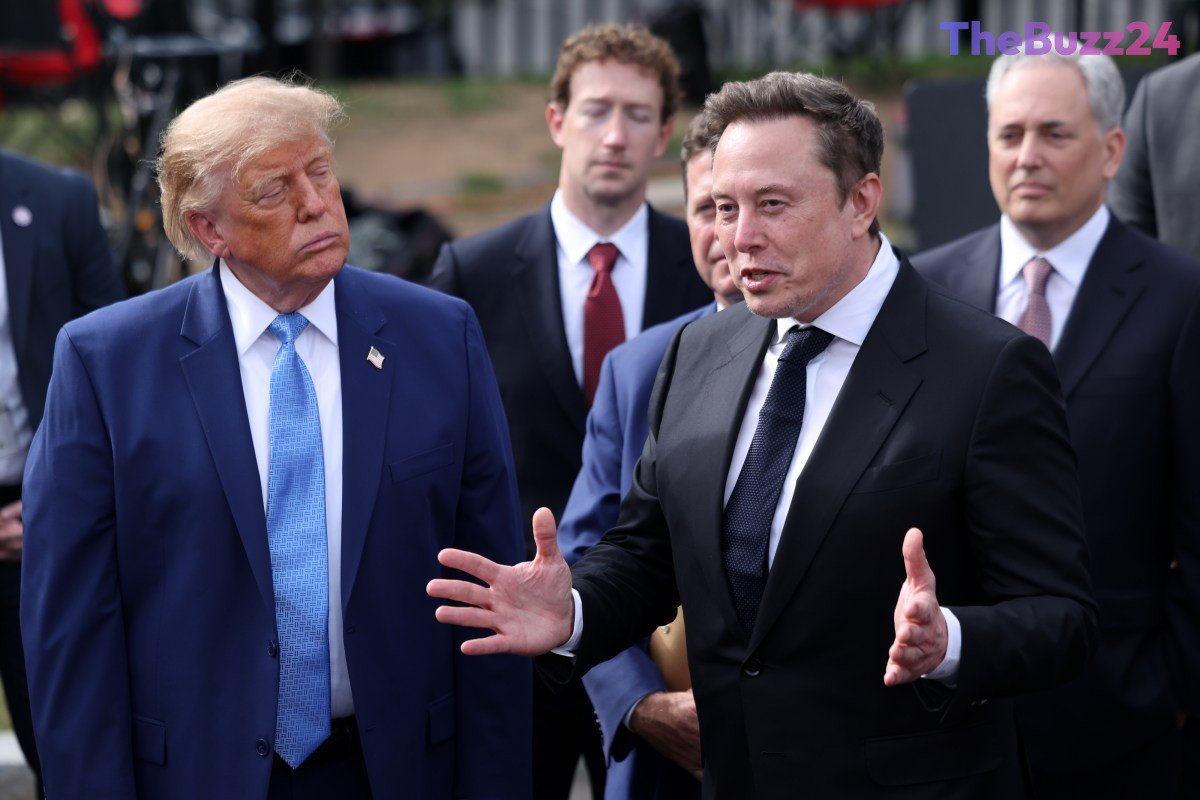
The high-profile summit drew prominent tech leaders, including Meta’s Mark Zuckerberg, Amazon founder Jeff Bezos, Tesla and xAI head Elon Musk, and Anthropic CEO Dario Amodei. Alongside the terminology shift, the administration unveiled the “Joint Commitment on Frontier Responsibilities,” a voluntary safety agreement signed by the attending executives. While lacking statutory enforcement mechanisms, Trump characterized the pact as a “morally binding” framework, paired with the preview of an initiative dubbed the “Super Intelligence Force.”
Anthropic’s presence at the gathering marked a notable turnaround following weeks of reported friction with federal agencies. The company had encountered outspoken skepticism from Defense Department officials, who voiced concerns over national security risks and restrictive usage conditions placed on its models. However, a late-night private meeting between Amodei and Trump paved the way for Anthropic’s high-level inclusion in the luncheon and subsequent signing ceremony.
The sudden transition from total deregulation rhetoric to an executive-led voluntary charter highlights a strategic public relations repositioning. By recasting artificial intelligence into super intelligence, the administration appears intent on shielding the domestic sector from strict regulatory constraints while attempting to alleviate public anxieties around automation, job displacement, and catastrophic risk.
Key Takeaways
- President Trump signed an executive order instructing federal officials to replace the term 'artificial intelligence' with 'super intelligence.'
- Major technology leaders, including Elon Musk, Mark Zuckerberg, Jeff Bezos, and Dario Amodei, signed a non-binding voluntary safety commitment.
- The initiative emphasizes a light-touch, 'morally binding' regulatory approach aimed at maintaining domestic tech momentum while rebranding the sector's public image.
Editor’s Analysis & Impact
The White House’s sudden embrace of ‘super intelligence’ functions primarily as a strategic public relations campaign rather than a meaningful shift toward AI governance. By promoting a voluntary, ‘morally binding’ charter instead of statutory regulation, the administration is intentionally preserving a low-friction environment for American tech giants facing aggressive foreign competition. This framing seeks to mitigate pervasive public anxiety over job displacement and safety risks by recasting advanced computing as an unalloyed national triumph. However, relying on voluntary compliance leaves critical safety gaps unaddressed, essentially codifying industry self-regulation while providing little tangible accountability for frontier model developers.
Frequently Asked Questions
Q: What is the 'Joint Commitment on Frontier Responsibilities'?
A: It is a voluntary framework signed by leading tech executives at the White House outlining general safety practices for advanced computing, established as morally rather than legally binding.
Q: Why is the U.S. government adopting the term 'super intelligence'?
A: The official terminology shift is aimed at rebranding the technology to project strength and progress, moving away from public fears surrounding job loss and technological disruption.
Q: Which tech leaders participated in the White House meeting?
A: Attendees included prominent industry figures such as Mark Zuckerberg of Meta, Jeff Bezos of Amazon, Elon Musk of Tesla and xAI, and Dario Amodei of Anthropic.
AI Disclosure: This article is based on verified data and official reports. Our Team and AI have cross-referenced every financial detail with primary sources to ensure total accuracy.
More from this Category