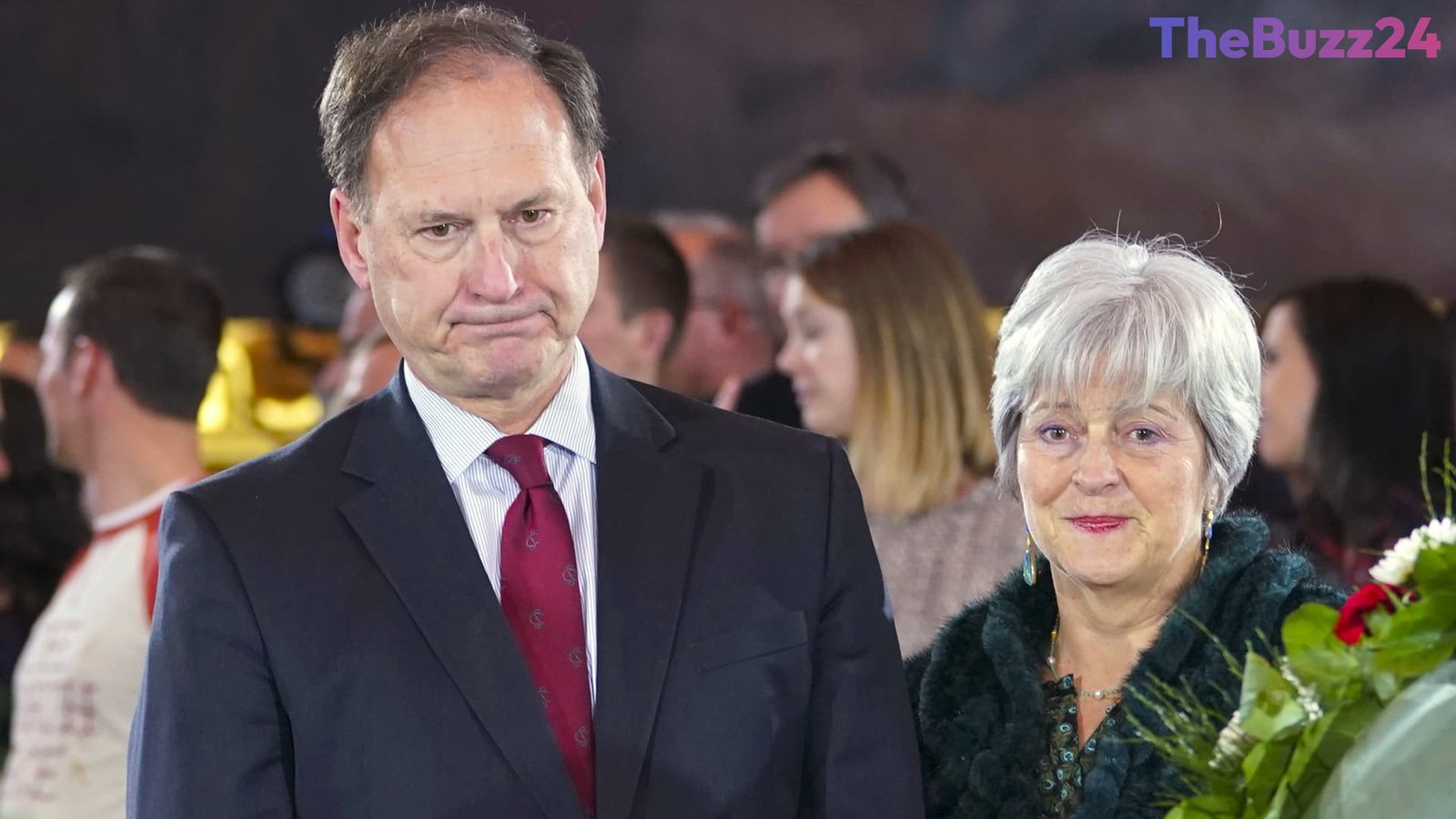
Supreme Court’s Future in Focus as Justice Alito Ponders Retirement Amidst Senate Control Battle
Supreme Court Justice Samuel Alito, 76, recently revealed he contemplated retirement following the high court’s most recent term but ultimately chose to remain on the bench, believing he continues to offer a valuable contribution. As the second-oldest justice, his potential departure has been a subject of considerable speculation within political circles.
This speculation intensified given the current political climate, where Republicans hold control of both the Senate and the White House. A retirement during this period would typically facilitate the swift confirmation of a conservative nominee. However, the looming possibility of Democrats gaining control of the Senate after the upcoming November elections introduces significant uncertainty, potentially complicating or even preventing any future judicial appointments by President Donald Trump.
Justice Alito acknowledged the ongoing discussions around his tenure, remarking on the unpleasantness of “vultures circling” regarding his retirement. He emphasized that such a decision is not based on a fixed timeline. The focus on judicial vacancies extends to Justice Clarence Thomas, 78, the court’s oldest member and another key conservative voice. The political maneuvering surrounding Supreme Court appointments has been a prominent feature of recent years, notably following the passing of Justice Antonin Scalia in 2016 and Justice Ruth Bader Ginsburg in 2020, which saw significant partisan battles over their successors.
The Supreme Court currently operates with a 6-3 conservative majority. With the midterm elections approaching, control of the Senate remains a critical factor. Should Democrats secure a majority, they would gain substantial influence over the judicial nomination process, effectively holding veto power over any presidential selections. The tight races across the country underscore the high stakes involved in the upcoming electoral contests, with the balance of power in the Senate directly impacting the future composition and ideological direction of the nation’s highest court.
Key Takeaways
- Justice Samuel Alito considered retirement after the last Supreme Court term but decided against it, believing he still makes a valuable contribution.
- Speculation about his retirement is heavily influenced by the current political landscape, particularly the Republican control of the Senate and the White House.
- The potential for Democrats to gain control of the Senate in the upcoming November elections could significantly complicate any future Supreme Court nominations by President Donald Trump.
Editor’s Analysis & Impact
Justice Alito’s contemplation of retirement underscores the intense politicization surrounding the Supreme Court and its appointments. The timing of judicial vacancies has become a critical battleground, with both major parties strategically maneuvering to shape the court’s ideological balance for decades. Should Democrats gain control of the Senate in the upcoming elections, the path for any future conservative nominations by President Trump would become significantly more challenging, potentially leading to prolonged vacancies or a shift towards more centrist nominees under a different administration. This situation highlights the profound long-term implications of electoral outcomes on the judiciary, affecting everything from social policy to economic regulations. The current 6-3 conservative majority, a product of previous political contests, remains a focal point, and any change in its composition would reverberate across American legal and political landscapes.
Frequently Asked Questions
Q: Why is Justice Alito's potential retirement a significant topic?
A: As a prominent conservative justice and the second-oldest on the bench, his retirement would create a vacancy, allowing the sitting president to nominate a successor. The timing is crucial due to the upcoming Senate elections, which could change the political dynamics of judicial confirmations.
Q: How does Senate control affect Supreme Court nominations?
A: The Senate has the constitutional power to confirm or reject presidential nominations to the Supreme Court. If the president's party controls the Senate, confirmations are generally smoother. If the opposing party controls the Senate, they can block or significantly delay nominations, effectively holding veto power.
Q: What is the current ideological balance of the Supreme Court?
A: The Supreme Court currently has a 6-3 conservative majority, a balance that has been established through several appointments in recent years.
AI Disclosure: This article is based on verified data and official reports. Our Team and AI have cross-referenced every financial detail with primary sources to ensure total accuracy.
More from this Category