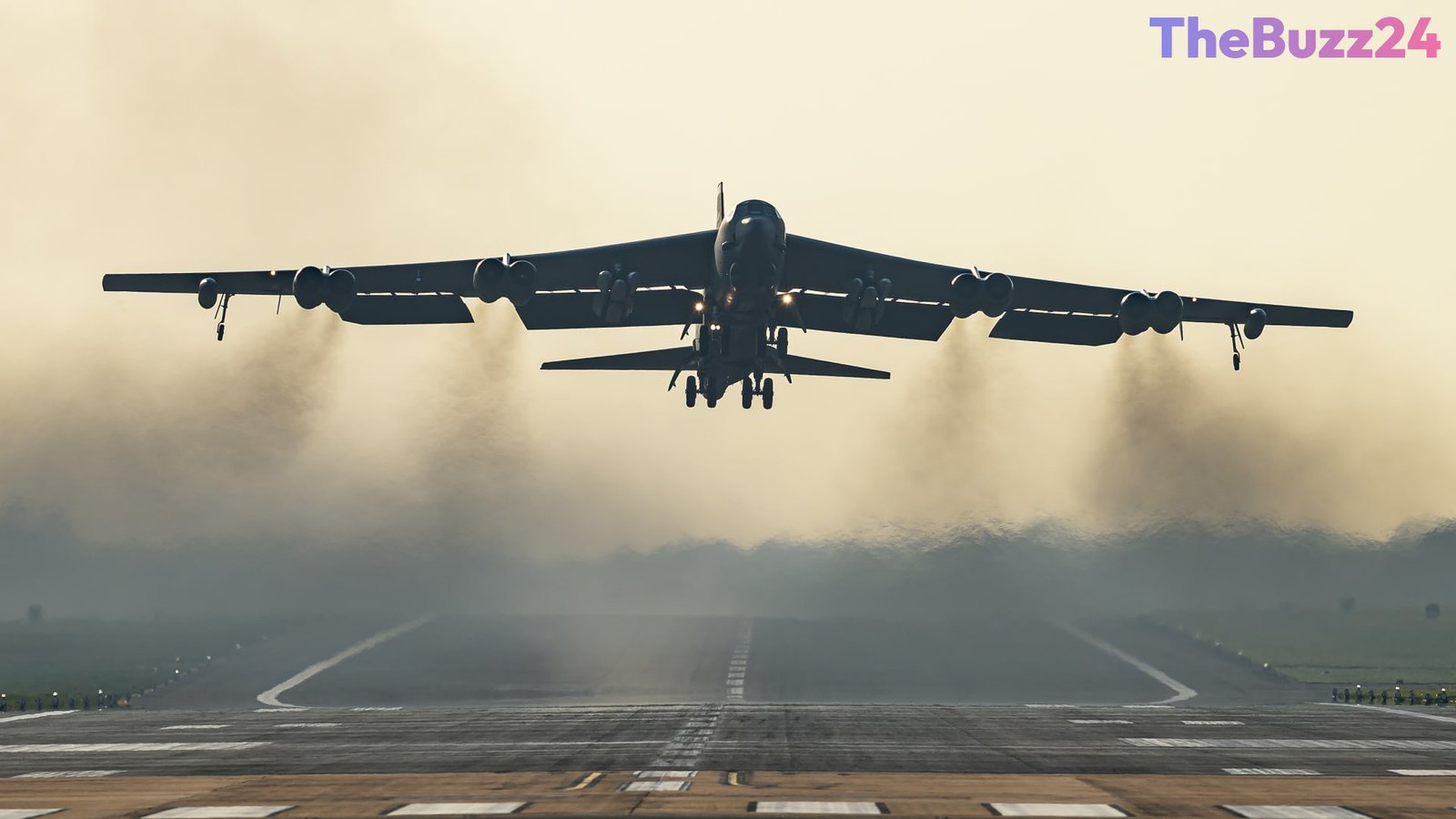
US Bombers Exit UK Base Amid Terror Plot Fears as Middle East Sees Renewed Shipping Attacks
The United States has withdrawn all its B-1 bombers from a UK air base, a facility historically used by American forces for operations in the Middle East, following an investigation that uncovered a planned terror attack. The bombers, stationed at RAF Fairford in southern England, have been redeployed to their home bases in the United States. This move comes after a security incident in late September led to the arrest of six individuals, including a dual British-Iranian national, on suspicion of plotting a terror attack. British authorities have indicated a link between the plot and Tehran, although Iran has denied any involvement.
Simultaneously, maritime tensions in the Middle East have escalated significantly, with at least two vessels reportedly struck over the weekend in waters near Oman and within the critical Strait of Hormuz. These incidents coincide with a firm declaration from Iranian Parliament Speaker Mohammad Bagher Ghalibaf, who stated that the Strait of Hormuz would remain closed until Iran’s conditions for ending its conflict with the U.S. are met. These conditions, outlined in the Islamabad Memorandum of Understanding, include an end to U.S. acts of aggression, the lifting of naval blockades and economic warfare, and the release of Iranian assets. The U.S., conversely, has maintained its demand for Iran to dismantle its nuclear weapons program.
The regional instability is further underscored by a reported attack on Saudi Arabia’s energy infrastructure. Yemen’s Iran-aligned Houthis claimed responsibility for targeting a Saudi Aramco facility in Riyadh with ballistic missiles and drones, asserting it was in retaliation for Saudi actions in Yemen. This alleged strike, if confirmed, marks a significant escalation, effectively opening a second front in the broader regional conflict. The ongoing hostilities and the prospect of further escalation have already impacted global markets, driving energy prices higher and contributing to increased inflation expectations and government borrowing costs worldwide.
In response to the heightened tensions, the U.S. is reportedly deploying additional military assets to the Middle East, including a third aircraft carrier strike group and an amphibious force. While such deployments initially pushed crude oil prices higher, recent announcements from the Group of Seven nations regarding the release of diesel and crude stocks have seen prices edge lower, reflecting efforts to mitigate the economic burden on consumers amidst the volatile geopolitical landscape.
Key Takeaways
- The U.S. has withdrawn all B-1 bombers from a UK base due to a suspected terror plot, allegedly linked to Iran, leading to arrests.
- Multiple tankers were attacked near Oman and in the Strait of Hormuz, with Iran reiterating its conditions for reopening the vital waterway.
- Regional tensions are escalating, marked by a reported Houthi attack on a Saudi Aramco facility and a significant impact on global energy prices.
Editor’s Analysis & Impact
The confluence of these events signals a dangerous escalation in Middle Eastern tensions with far-reaching implications. The alleged terror plot against a UK base, directly linked to Iran, introduces a new, concerning dimension to the geopolitical landscape, potentially broadening the scope of conflict beyond traditional military engagements. Attacks on shipping in the Strait of Hormuz, a critical global chokepoint for oil, directly threaten international trade and energy security, likely sustaining upward pressure on crude prices and global inflation. Furthermore, the reported Houthi strike on Saudi Aramco infrastructure indicates a widening of the conflict, drawing in more regional actors. Investors should anticipate continued market volatility, particularly in energy sectors, and a heightened risk premium across various assets as the prospect of a full-scale regional conflict looms larger.
Frequently Asked Questions
Q: Why did the U.S. withdraw its B-1 bombers from the UK?
A: The U.S. withdrew its B-1 bombers from RAF Fairford in the UK following an investigation that uncovered a planned terror attack. British authorities have indicated a link between this plot and Tehran, leading to heightened security concerns.
Q: What is the significance of the Strait of Hormuz, and what are Iran's conditions for its reopening?
A: The Strait of Hormuz is a vital global chokepoint through which a significant portion of the world's oil supplies passes. Iran's Parliament Speaker stated it would not reopen until its conditions are met, including an end to U.S. aggression, naval blockades, economic warfare, and the release of Iranian assets, as outlined in the Islamabad Memorandum.
Q: How are these escalating tensions impacting global markets?
A: The escalating tensions, including shipping attacks and regional conflicts, are driving global energy prices higher, contributing to increased inflation expectations, and putting upward pressure on government borrowing costs. This creates significant volatility in commodity markets and broader economic uncertainty.
AI Disclosure: This article is based on verified data and official reports. Our Team and AI have cross-referenced every financial detail with primary sources to ensure total accuracy.
More from this Category