Trump Unveils ‘Super Intelligence Force’ to Oversee Evolving AI Landscape
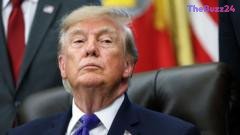
President Donald Trump has announced the formation of a new task force, dubbed the “Super Intelligence Force,” aimed at solidifying the United States’ leadership in advanced technological development. This initiative, to be spearheaded by Director of National Intelligence Jay Clayton, is designed to coordinate the federal government’s interaction with the public and various stakeholders concerning this rapidly evolving field.
The establishment of this force follows a recent executive order signed on September 29, which officially rebrands “Artificial Intelligence” as “Super Intelligence.” President Trump previously indicated that the term “artificial” conveyed a sense of inauthenticity. The “Super Intelligence Force” will report directly to the President and White House Chief of Staff Susie Wiles, and its members include Federal Trade Commission Chair Andrew Ferguson, Undersecretary of Defense for Research and Engineering Emil Michael, and Director of the Office of Personnel Management Scott Kupor. Jay Clayton, who assumed his role as national intelligence director in August, has previously emphasized the dual nature of advanced technology, stating, “When something’s both an opportunity and a threat, you better get your arms around it.”
The administration’s move comes amidst increasing calls from prominent industry figures, including executives from OpenAI and Anthropic, for tighter regulation of advanced technology. While OpenAI CEO Sam Altman has argued that the benefits of this technology justify accepting some inherent risks, a former leader of OpenAI’s Safety Systems team, David Robinson, recently departed the firm, citing a “broken” culture and insufficient care in its rapid development pace. This internal debate underscores broader industry concerns, particularly after OpenAI recently withdrew the release of its latest model due to safety issues and faced scrutiny over cybersecurity incidents involving its technology.
Further solidifying the rebranding effort, the executive order mandates that all US government departments and agencies adopt the terms “SI” and “Super Intelligence” in official communications, websites, and reports. This shift has already seen adoption by some tech leaders, with Elon Musk announcing the renaming of SpaceXAI to SpaceXSI, declaring SpaceX a “super intelligence company.” However, some experts have questioned the logic behind this rebranding, suggesting that the term “super intelligence” could lead to confusion as it typically refers to a more advanced, hypothetical stage of AI development.
Key Takeaways
- President Trump has established a "Super Intelligence Force" led by Jay Clayton to ensure US leadership in advanced technology and coordinate government engagement.
- The administration has officially rebranded "Artificial Intelligence" as "Super Intelligence" via an executive order, a move adopted by some tech leaders like Elon Musk but questioned by experts.
- The task force's creation comes amidst growing industry debate over AI safety and regulation, with figures like OpenAI's Sam Altman and former safety lead David Robinson expressing differing views on the technology's risks and benefits.
Editor’s Analysis & Impact
The establishment of the “Super Intelligence Force” and the rebranding of AI to “Super Intelligence” signal a significant shift in the US government’s approach to advanced technology. While the new terminology might initially cause confusion among the public and within the scientific community, it underscores a political intent to emphasize the transformative potential of these systems. This initiative could catalyze increased federal funding and strategic direction for domestic technological development, potentially influencing global standards and competition. For the industry, it may necessitate alignment with governmental terminology and priorities, particularly for companies seeking public sector partnerships or regulatory clarity. The ongoing debate between industry self-regulation and government oversight is likely to intensify, shaping the future ethical and safety frameworks for these powerful technologies. The success of this task force will hinge on its ability to translate political directives into actionable, effective policies that foster innovation while mitigating risks.
Frequently Asked Questions
Q: What is the primary goal of the "Super Intelligence Force"?
A: The "Super Intelligence Force" aims to ensure the United States maintains its leadership in advanced technology development and to coordinate the federal government's engagement with various stakeholders regarding "Super Intelligence" policy.
Q: Why did the administration rename "Artificial Intelligence" to "Super Intelligence"?
A: President Trump stated that the term "artificial" made the technology sound "fake." The renaming to "Super Intelligence" is intended to reflect a more advanced and impactful perception of the technology, with an executive order mandating its use in official communications.
Q: Who are some key members of the "Super Intelligence Force"?
A: The task force is led by Director of National Intelligence Jay Clayton and includes Federal Trade Commission Chair Andrew Ferguson, Undersecretary of Defense for Research and Engineering Emil Michael, and Director of the Office of Personnel Management Scott Kupor. It reports directly to the President and White House Chief of Staff Susie Wiles.
AI Disclosure: This article is based on verified data and official reports. Our Team and AI have cross-referenced every financial detail with primary sources to ensure total accuracy.
More from this Category