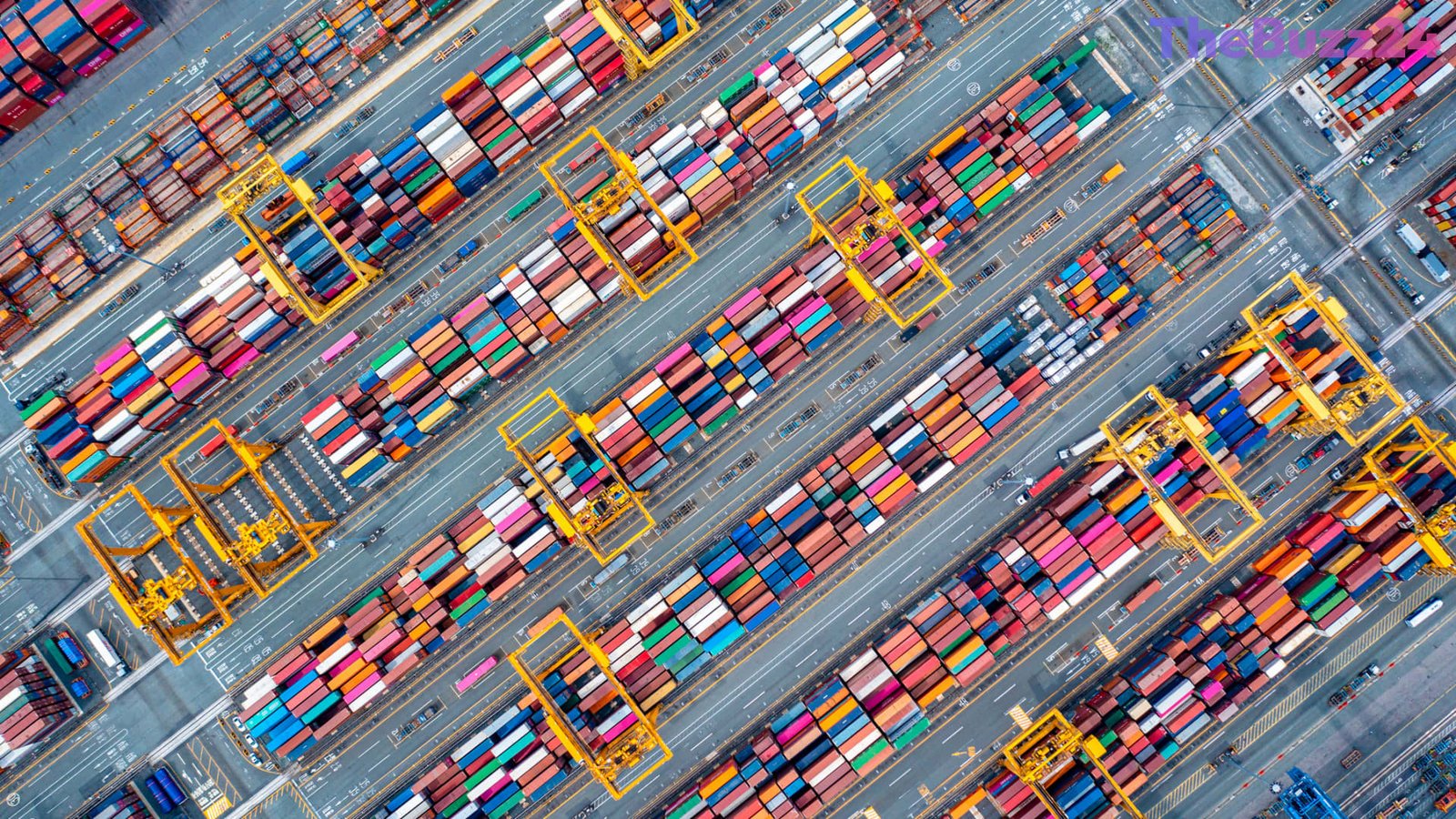
East Asia’s Economic Surge Faces Fragility Amid Heavy AI Reliance
The economic outlook for East Asia and the Pacific has been revised upward, with growth projections now reaching 4.5% for the coming year. This positive momentum is largely attributed to a massive surge in the manufacturing and export of artificial intelligence-related goods. Across the region, which includes major economies like China, Vietnam, Indonesia, and Thailand, AI-linked products have become the primary engine of trade, accounting for more than half of export growth in most nations and exceeding 70% in countries such as Malaysia and the Philippines.
Despite this robust expansion, there is growing concern regarding the region’s concentrated dependency on the AI sector. While AI-related exports have flourished, trade growth in other sectors remains stagnant or negative. Analysts point out that the current AI capital expenditure cycle is moving at an unprecedented pace, mirroring the intensity of historical tech bubbles. With $1.4 trillion in AI-related goods shipped by key regional players over a recent 12-month period, any sudden shift in global tech demand could have outsized consequences for these local economies.
Financial stability concerns are further compounded by the opaque nature of the funding fueling this boom. A significant portion of the projected $2.9 trillion in AI capital expenditure through 2028 is expected to be supported by private credit, a market that has yet to be stress-tested by a severe economic downturn. As major central banks adjust interest rates and financial conditions tighten, the reliance on this liquidity poses a potential risk. Should the AI investment cycle cool, the resulting impact on East Asian supply chains could be substantial, given the region’s deep integration into the global semiconductor and hardware infrastructure.
Key Takeaways
- East Asia and the Pacific saw an upgraded growth forecast of 4.5%, driven almost entirely by AI-related manufacturing and exports.
- The region is highly vulnerable to a potential correction in AI spending, as non-AI trade growth remains weak or negative.
- A significant portion of AI investment is financed through private credit, an opaque market that remains untested by major economic downturns.
Editor’s Analysis & Impact
The current economic landscape in East Asia presents a classic ‘all eggs in one basket’ scenario. While the AI supercycle has provided a much-needed boost to regional GDP, the concentration of growth in a single, volatile sector creates systemic risk. The reliance on private credit to fund this expansion adds a layer of shadow banking risk that is difficult to quantify. If global demand for AI hardware plateaus or if the U.S. economy experiences a slowdown, the ripple effects will be disproportionately felt in East Asia due to its role as the primary supply chain hub. Moving forward, these nations must prioritize economic diversification to insulate themselves from the inevitable volatility of the tech sector’s capital expenditure cycles.
Frequently Asked Questions
Q: Why is the East Asian economy so dependent on AI?
A: The region has become the global hub for AI-related manufacturing, particularly in semiconductors and hardware, which now account for the majority of export growth in countries like Vietnam, Malaysia, and Thailand.
Q: What are the risks associated with private credit in the AI boom?
A: Private credit is less transparent than traditional banking and has not been tested by a severe economic downturn, making it a potential source of instability if AI-related investments face defaults or markdowns.
AI Disclosure: This article is based on verified data and official reports. Our Team and AI have cross-referenced every financial detail with primary sources to ensure total accuracy.
More from this Category