Fuel Costs Likely to Stay High Through Election Day, Prediction Markets Show
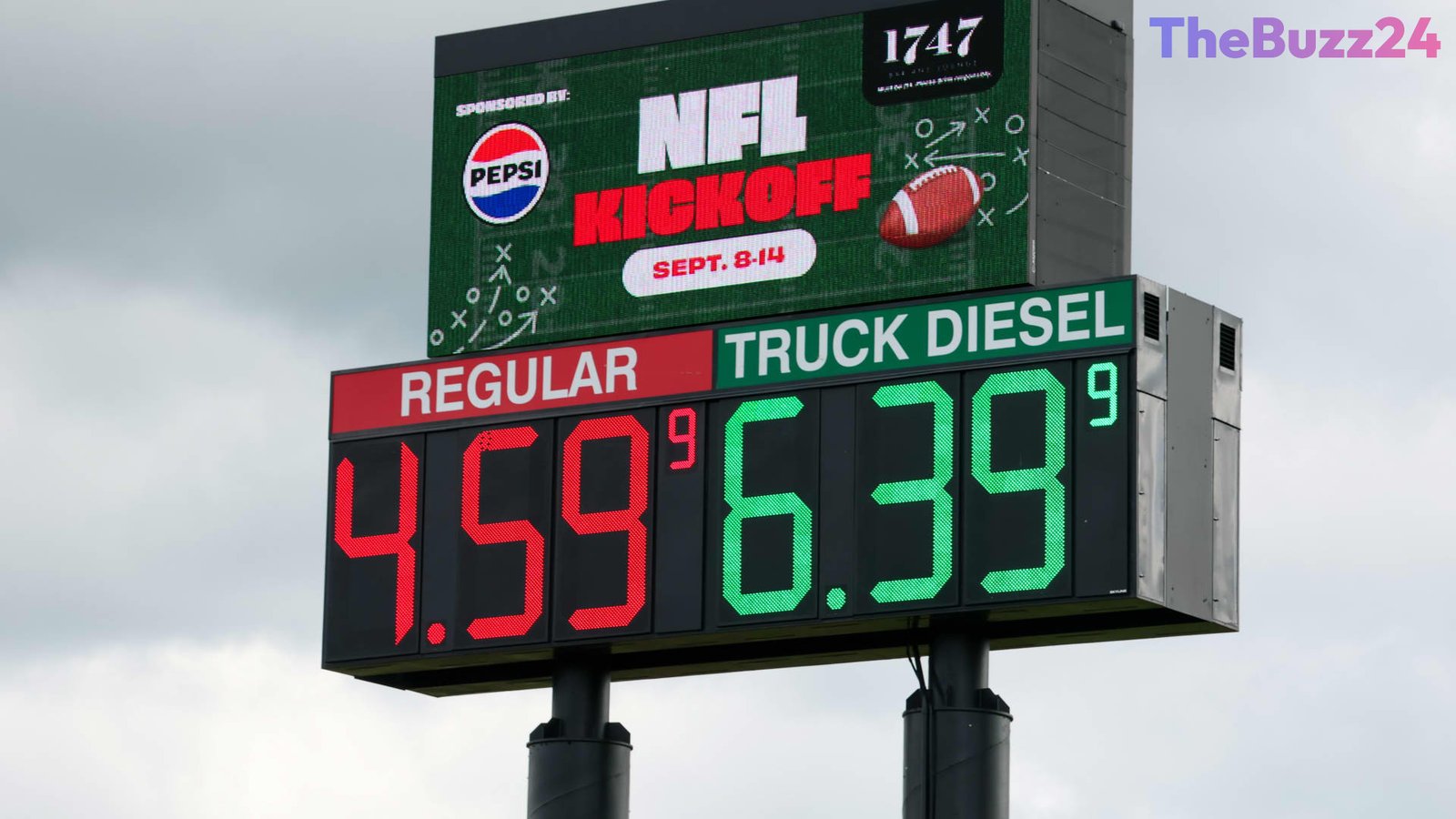
Voters heading to the polls for the upcoming midterm elections are unlikely to see significant relief at the pump, as prediction markets heavily favor elevated fuel costs remaining the norm. Persistent high prices continue to squeeze consumers, cementing affordability as a central issue for the electorate.
Traders on the Kalshi prediction platform place an 87% probability that the national average for regular gasoline will stay above $4 per gallon by November 3. While participants anticipate prices remaining above that critical psychological threshold, they assign a lower 42% chance that the average will exceed $4.25 per gallon on Election Day. Currently, the national average sits at $4.36, having retreated from a late-May peak of $4.56 driven by supply disruptions stemming from the conflict involving Iran and the closure of the Strait of Hormuz.
Meanwhile, diesel prices are also expected to maintain high levels, with speculators calculating a roughly two-thirds chance that averages will stay above $6 per gallon when voters cast their ballots. These stubbornly high diesel costs carry profound implications for agricultural states like Iowa and Kansas, as well as regions like Alaska that depend heavily on diesel for electrical generation, all of which feature closely watched Senate contests.
Economic pressures, particularly persistent inflation and energy costs, continue to shape the political landscape. Speculators observing the intersection of economic strain and electoral outcomes currently attribute a 63% probability to Democrats capturing control of the Senate from Republicans, underlining how intertwined fuel costs and voter sentiment have become this cycle.
Key Takeaways
- Prediction markets place an 87% chance that regular gas prices will stay above $4 per gallon on Election Day.
- Diesel prices face a 68% probability of remaining above $6 per gallon, heavily impacting agricultural and remote states.
- Persistently high energy costs remain a top concern for voters, potentially influencing competitive midterm Senate races.
Editor’s Analysis & Impact
The intersection of energy markets and political forecasting highlights how deeply consumer pain points dictate electoral momentum. High gasoline and diesel prices, largely catalyzed by geopolitical tensions in the Middle East earlier in the year, have transformed into key barometers for voter dissatisfaction. As prediction markets price in sustained high costs, the broader economic narrative shifts toward persistent inflation rather than transitory spikes. For industries reliant on freight, logistics, and agriculture, these elevated baseline costs compress operational margins. Economically, the inability of fuel prices to meaningfully retreat before a major election underscores the structural supply vulnerabilities still plaguing global oil markets, keeping energy security at the forefront of policy debates.
Frequently Asked Questions
Q: Why are gas prices remaining elevated ahead of the elections?
A: Gas prices spiked earlier in the year following the outbreak of the Iran war and the strategic closure of the Strait of Hormuz, a vital route for Middle Eastern oil exports. Although prices have dipped from their late-spring peaks, persistent market tight spots have kept averages above $4 per gallon.
Q: How do high diesel prices impact specific states?
A: Elevated diesel prices disproportionately affect states with massive agricultural sectors, such as Iowa and Kansas, which rely on heavy machinery and transport, as well as states like Alaska that use diesel fuel to generate electricity.
Q: What platform is being used to track these prediction odds?
A: Traders and speculators are utilizing the Kalshi prediction market platform to gauge the statistical probabilities of various gas and diesel price thresholds on Election Day.
AI Disclosure: This article is based on verified data and official reports. Our Team and AI have cross-referenced every financial detail with primary sources to ensure total accuracy.
More from this Category