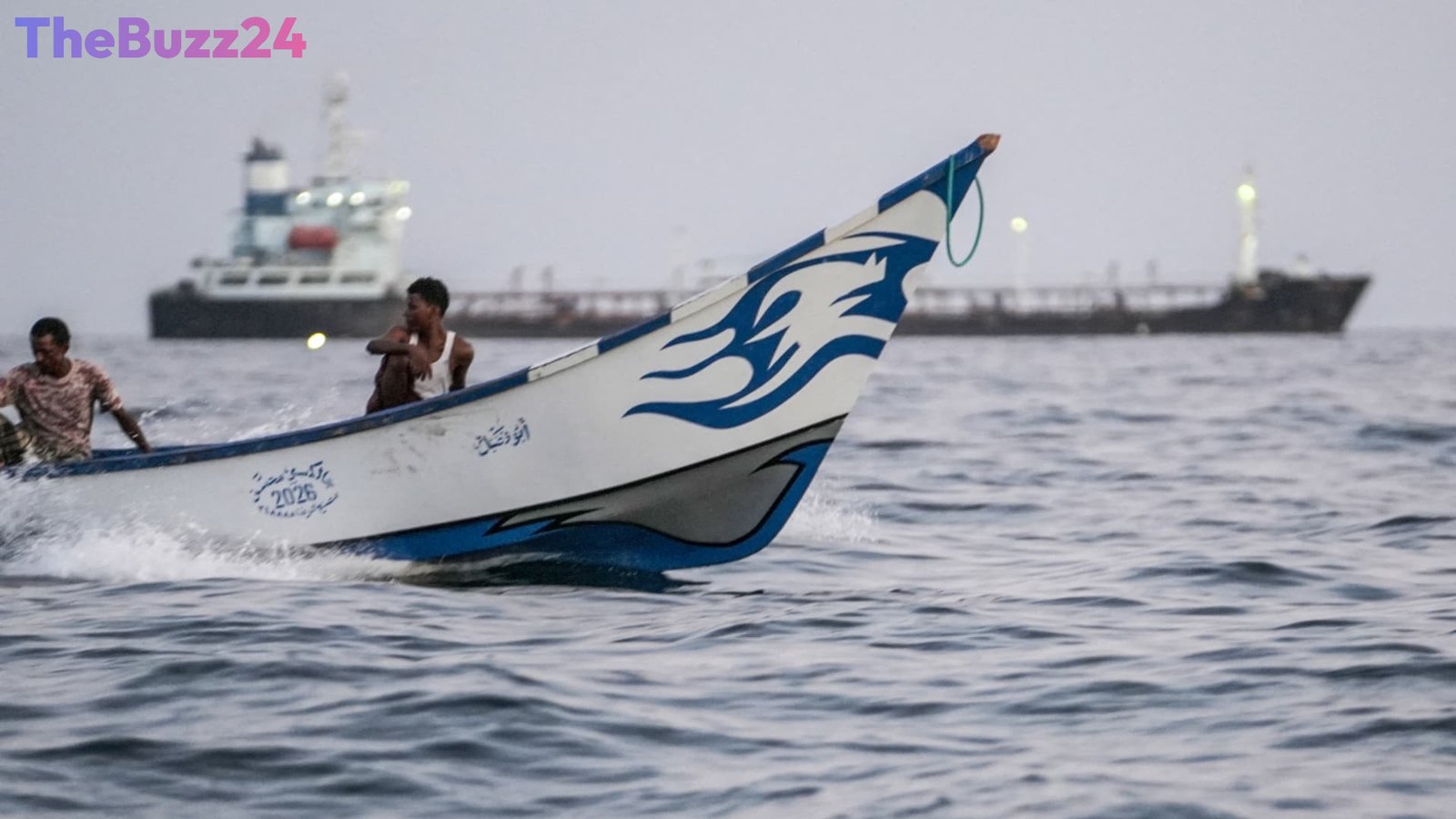
US Treasury Targets 17 Tankers in Crackdown on Iran’s ‘Shadow Fleet’
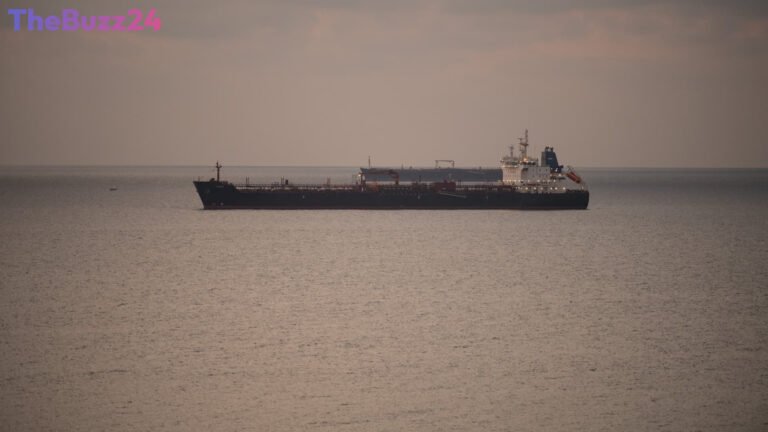
The U.S. Treasury Department has imposed sanctions on 17 additional vessels, identifying them as part of Iran’s “shadow fleet” used for illicit oil and gas exports. This move is a significant escalation of Washington’s economic pressure campaign, dubbed “Operation Economic Outcast,” aimed at curtailing Tehran’s revenue streams and hindering its ability to fund regional conflicts.
The newly sanctioned tankers, registered under various international jurisdictions, are accused of transporting millions of barrels of Iranian crude oil, petroleum, and petrochemical products. U.S. officials assert that these illicit oil revenues are crucial for financing the Iranian regime and its proxy groups. By targeting these vessels, the Treasury Department seeks to further isolate Iran economically and disrupt its capacity to profit from its energy exports.
Treasury Secretary Scott Bessent emphasized the administration’s commitment to cutting off financial support for Tehran, stating, “Treasury is starving the tyrannical regime in Tehran of the money it uses to wage war in the region, and we will continue exposing those who enable the regime’s oil sales.” He further warned that “no enabler of Iranian sanctions evasion is safe from the full force of Treasury’s authorities.”
While the immediate economic impact of these specific sanctions may be limited, they are designed to dismantle the remaining components of Iran’s shadow fleet. This action complements existing sanctions aimed at preventing Iran from disrupting maritime traffic in critical waterways like the Strait of Hormuz and sustaining its regime. The targeted vessels include the Vanuatu-flagged TINA 5, the Comoros-flagged LPG tanker SOGL, and the Cameroon-flagged crude oil tanker SHENZHEN, all implicated in significant volumes of illicit cargo movement.
Key Takeaways
- The U.S. Treasury has sanctioned 17 tankers linked to Iran's 'shadow fleet' as part of an economic pressure campaign.
- The sanctions aim to cut off revenue streams Iran uses to fund its regime and regional activities.
- The move is intended to complement existing sanctions and disrupt Iran's oil export capabilities.
Editor’s Analysis & Impact
This latest round of sanctions underscores the U.S. strategy of applying sustained economic pressure on Iran to curb its regional influence and financial capabilities. By targeting the ‘shadow fleet,’ Washington aims to choke off a vital, albeit illicit, revenue source for Tehran. The success of this strategy hinges on international cooperation and the ability to effectively monitor and enforce these sanctions across various jurisdictions. The disruption to global oil markets, while not the primary goal, remains a potential consequence, impacting energy prices and geopolitical stability. This campaign signals a long-term commitment to isolating Iran economically, with broader implications for international trade and security in the Middle East.
Frequently Asked Questions
Q: What is Iran's 'shadow fleet'?
A: Iran's 'shadow fleet' refers to a network of oil tankers that operate outside international regulations and transparency measures, often used to covertly transport Iranian oil and petrochemicals to circumvent sanctions.
Q: What is 'Operation Economic Outcast'?
A: 'Operation Economic Outcast' is the name given by the U.S. Treasury Department to its ongoing economic pressure campaign against Iran, aimed at limiting the regime's financial resources.
Q: How do these sanctions affect global oil prices?
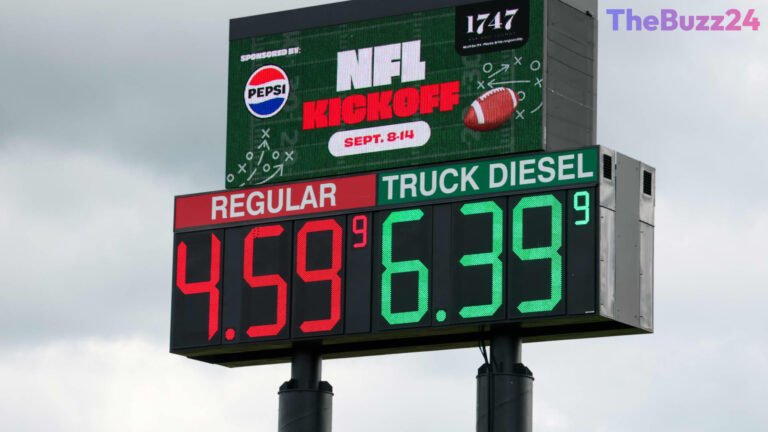
A: While these specific sanctions may not cause immediate massive shifts, the broader U.S. pressure campaign and Iran's potential responses, such as attempting to disrupt shipping lanes, can contribute to volatility and spikes in global oil and gas prices.
AI Disclosure: This article is based on verified data and official reports. Our Team and AI have cross-referenced every financial detail with primary sources to ensure total accuracy.
More from this Category