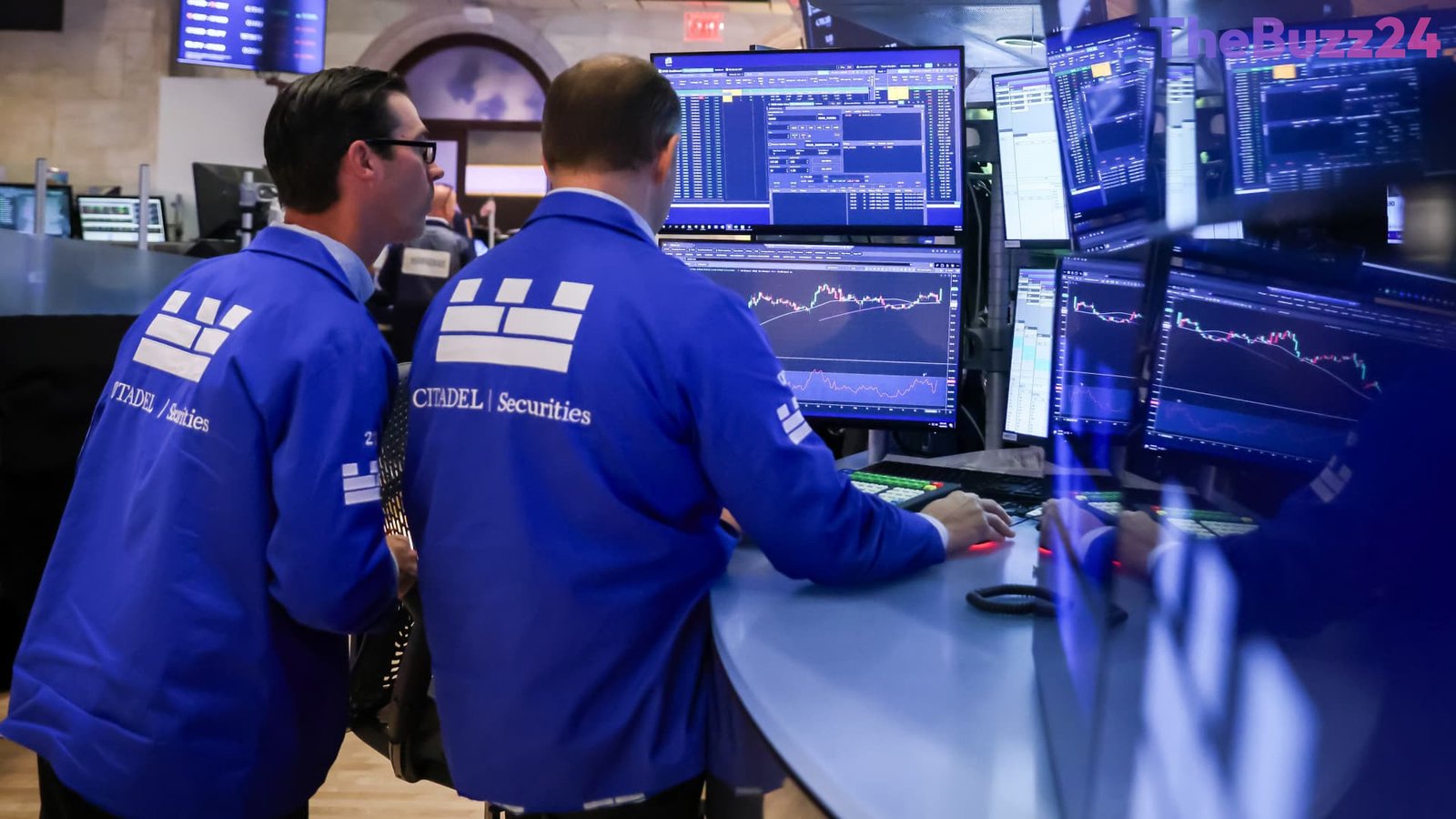
Global Markets Navigate Tech Volatility, Telecom Shifts, and Shifting Economic Indicators
Financial markets experienced a wave of adjustments as investors reacted to a combination of shifting artificial intelligence sentiment, major telecommunications realignments, and fluctuating Treasury yields. Wall Street futures edged upward following a sharp session driven by cooled expectations around AI revenue reports. Tech sectors attempted a recovery, with companies like SpaceX drawing significant attention after finalizing a deal to acquire a nationwide spectrum portfolio, which simultaneously pressured traditional telecom providers.
In the broader corporate landscape, individual earnings reports dictated significant market movements. Delta Air Lines experienced a downward slide following an unexpected earnings miss and a downward revision of its future outlook, attributed heavily to climbing fuel costs. Conversely, managed care providers saw dramatic swings after updated Medicare Advantage quality ratings were released, resulting in a notable surge for Humana. Meanwhile, international markets displayed mixed trajectories, with European exchanges climbing led by mining and retail sectors, while Asian markets largely closed on a positive note despite lingering regional pressures.
Macroeconomic factors, including persistent inflation concerns and ongoing geopolitical developments, continued to influence fixed-income assets. U.S. Treasury yields held near multi-decade highs as traders assessed statements regarding foreign policy and anticipated monetary policy timelines from central banks. Analysts note that while retail and institutional sentiment continues to fluctuate, the balancing act between technological advancement, regulatory updates, and global supply chain dynamics remains the primary driver for near-term market direction.
Key Takeaways
- U.S. stock futures rebounded slightly following a tech sector sell-off sparked by revised expectations in the artificial intelligence market.
- SpaceX's acquisition of a nationwide spectrum portfolio triggered notable declines among major telecom carriers like AT&T, Verizon, and T-Mobile due to anticipated competition.
- Treasury yields remained stable near multi-decade highs as investors weighed persistent inflation pressures against shifting geopolitical developments.
Editor’s Analysis & Impact
The recent market turbulence highlights a critical inflection point for both the technology and telecommunications sectors. The cooling enthusiasm around artificial intelligence valuations suggests that investors are demanding more concrete, sustainable revenue models rather than speculative growth. At the same time, infrastructure and spectrum realignments—exemplified by major space and satellite players entering traditional wireless domains—signal structural disruptions that will force legacy carriers to adapt rapidly. As central banks maintain cautious stances on interest rates amidst stubborn inflation, market participants are increasingly favoring income-generating assets and re-evaluating risk across both public and private equities.
Frequently Asked Questions
Q: Why did tech stocks experience a recent sell-off?
A: Tech stocks faced downward pressure following reports regarding OpenAI's annualized revenue figures, which led investors to reassess the short-term profitability and growth trajectory of the broader artificial intelligence sector.
Q: How did the SpaceX spectrum deal impact traditional telecom companies?
A: Shares of major telecom providers including AT&T, Verizon, and T-Mobile declined after SpaceX announced an agreement to acquire a nationwide spectrum portfolio, raising concerns over increased competition in mobile and wireless services.
Q: What is currently influencing U.S. Treasury yields?
A: U.S. Treasury yields have remained near multi-decade highs due to ongoing concerns regarding persistent inflation, elevated government borrowing, and shifting expectations surrounding future Federal Reserve monetary policy adjustments.
AI Disclosure: This article is based on verified data and official reports. Our Team and AI have cross-referenced every financial detail with primary sources to ensure total accuracy.
More from this Category