Deadly Houthi Strikes Rock Riyadh Airport, Saudi Coalition Vows Retaliation Amid Escalating Regional Tensions
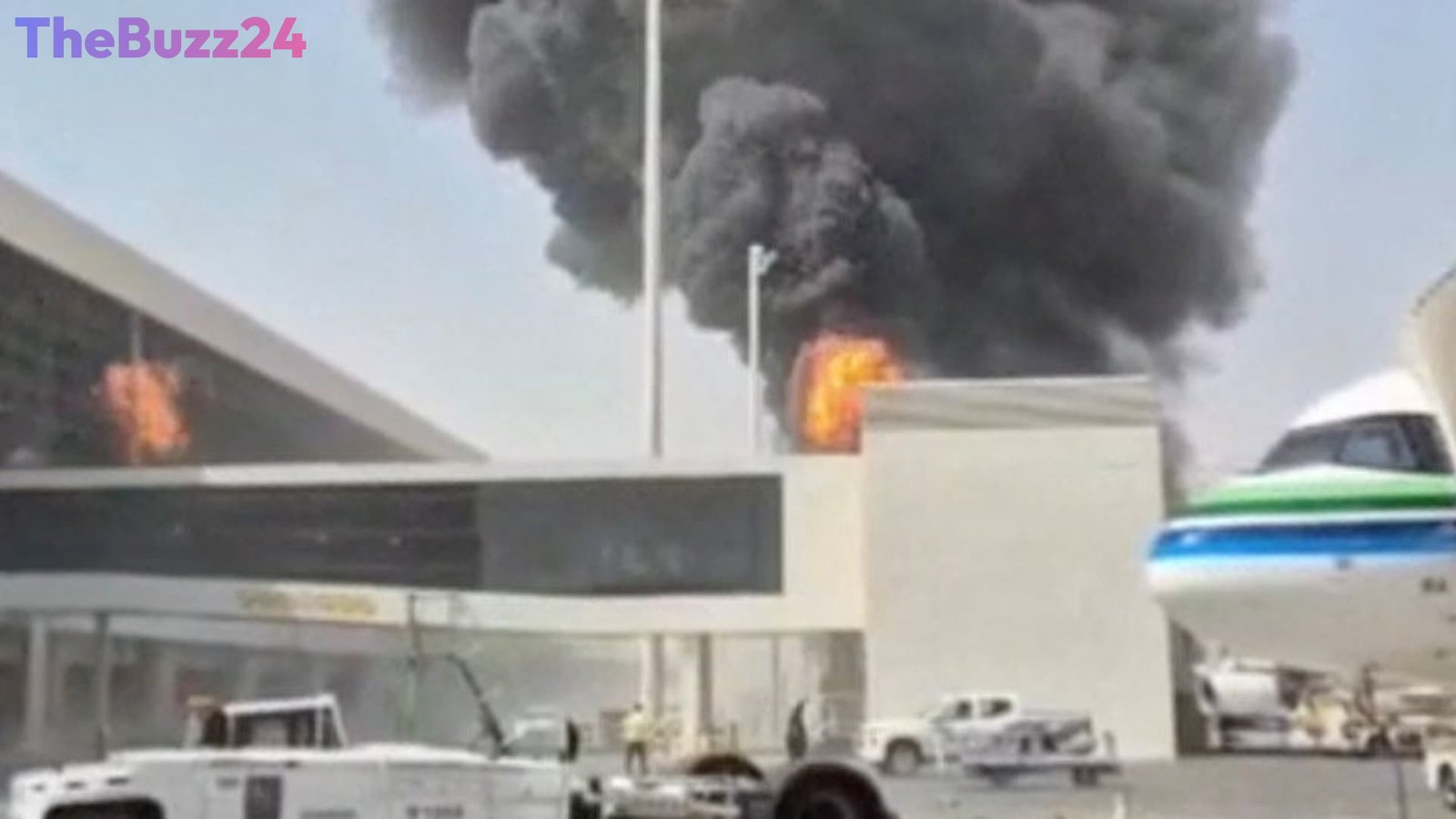
Three Saudi nationals, including a pilot, tragically lost their lives following two separate Houthi attacks on Riyadh’s King Khalid International Airport. The Saudi Arabian General Authority of Civil Aviation (GACA) confirmed the fatalities, identifying Captain Hamoud Ali Alkalthami of Saudi carrier Saudia as one of the victims. The assaults, claimed by the Iran-backed Houthi militants, targeted both airport facilities and a Saudia aircraft.
The immediate aftermath saw hundreds of flights out of Saudi Arabia canceled, causing significant disruption to air travel. However, GACA later announced that airport operations and air traffic had swiftly returned to normal. In response to the aggression, the Saudi-led coalition fighting the Houthis declared its intent to deliver a “firm response,” confirming the destruction of three missile launchers used by the militant group. Major General Turki al-Malki, the coalition’s spokesperson, emphasized that attacks on civilians and civilian infrastructure would not go unanswered.
These recent strikes mark a significant escalation in the Houthis’ campaign against Riyadh, deepening regional tensions. Saudi Arabia has been a key supporter of Yemen’s internationally recognized government in the ongoing civil war. The broader geopolitical landscape sees nations like Turkey and Pakistan pledging support to Saudi Arabia for deterrence measures, while France and Saudi Arabia are reportedly exploring options for French military assistance to protect critical infrastructure, such as the Yanbu oil terminal on the Red Sea coast.
Amidst these regional flare-ups, international diplomacy has also been at play. Discussions between the United States and Iran, aimed at de-escalating tensions, were noted to be productive. This diplomatic engagement, coupled with statements from U.S. President Donald Trump regarding postponed attacks on Iran, contributed to a notable decline in global oil prices. Brent crude oil futures and U.S. West Texas Intermediate futures both saw declines, reflecting the market’s sensitivity to geopolitical developments in the Middle East.
Key Takeaways
- Three Saudi nationals, including a pilot, were killed in Houthi attacks on Riyadh's King Khalid International Airport.
- Saudi Arabia and its coalition have vowed a 'firm response' to the attacks, confirming the destruction of Houthi missile launchers.
- The incidents have intensified regional tensions and influenced global oil prices amidst ongoing U.S.-Iran diplomatic discussions.
Editor’s Analysis & Impact
The deadly Houthi attacks on Riyadh’s international airport underscore the persistent instability in the Middle East and the escalating proxy conflict in Yemen. This event not only highlights the Houthis’ capability to strike deep into Saudi territory but also signals a potential for broader regional destabilization. The Saudi-led coalition’s vow of a ‘firm response’ suggests an imminent increase in military operations, which could further strain humanitarian efforts in Yemen and risk wider regional engagement. Economically, such attacks, especially those targeting critical infrastructure or civilian hubs, introduce significant uncertainty, impacting investor confidence and directly influencing global energy markets. The concurrent U.S.-Iran diplomatic efforts, which temporarily eased oil prices, demonstrate the delicate balance between military escalation and diplomatic de-escalation in shaping the region’s future and its global economic repercussions.
Frequently Asked Questions
Q: Who are the Houthis and why are they attacking Saudi Arabia?
A: The Houthis are an Iran-backed militant group from Yemen. They are engaged in a civil war against Yemen's internationally recognized government, which is supported by a Saudi-led coalition. The attacks on Saudi Arabia are part of their broader campaign to pressure the Saudi-led coalition and retaliate for military actions in Yemen.
Q: What was the immediate impact of the attacks on Riyadh airport?
A: The attacks resulted in the deaths of three Saudi nationals, including a pilot, and led to the cancellation of hundreds of flights. While operations were disrupted initially, Saudi authorities confirmed that airport services and air traffic returned to normal the following day.
Q: How have these attacks affected regional stability and oil markets?
A: The attacks have significantly deepened regional tensions, particularly between Saudi Arabia and the Houthis, and by extension, Iran. Geopolitically, they highlight the ongoing proxy conflicts. For oil markets, such incidents typically introduce volatility due to concerns over supply disruptions in the energy-rich region, although concurrent U.S.-Iran diplomatic discussions helped temper price increases in this specific instance.
AI Disclosure: This article is based on verified data and official reports. Our Team and AI have cross-referenced every financial detail with primary sources to ensure total accuracy.
More from this Category