Gulf of Mexico Oil Production Plummets as Hurricane Isaias Threatens Key Refineries
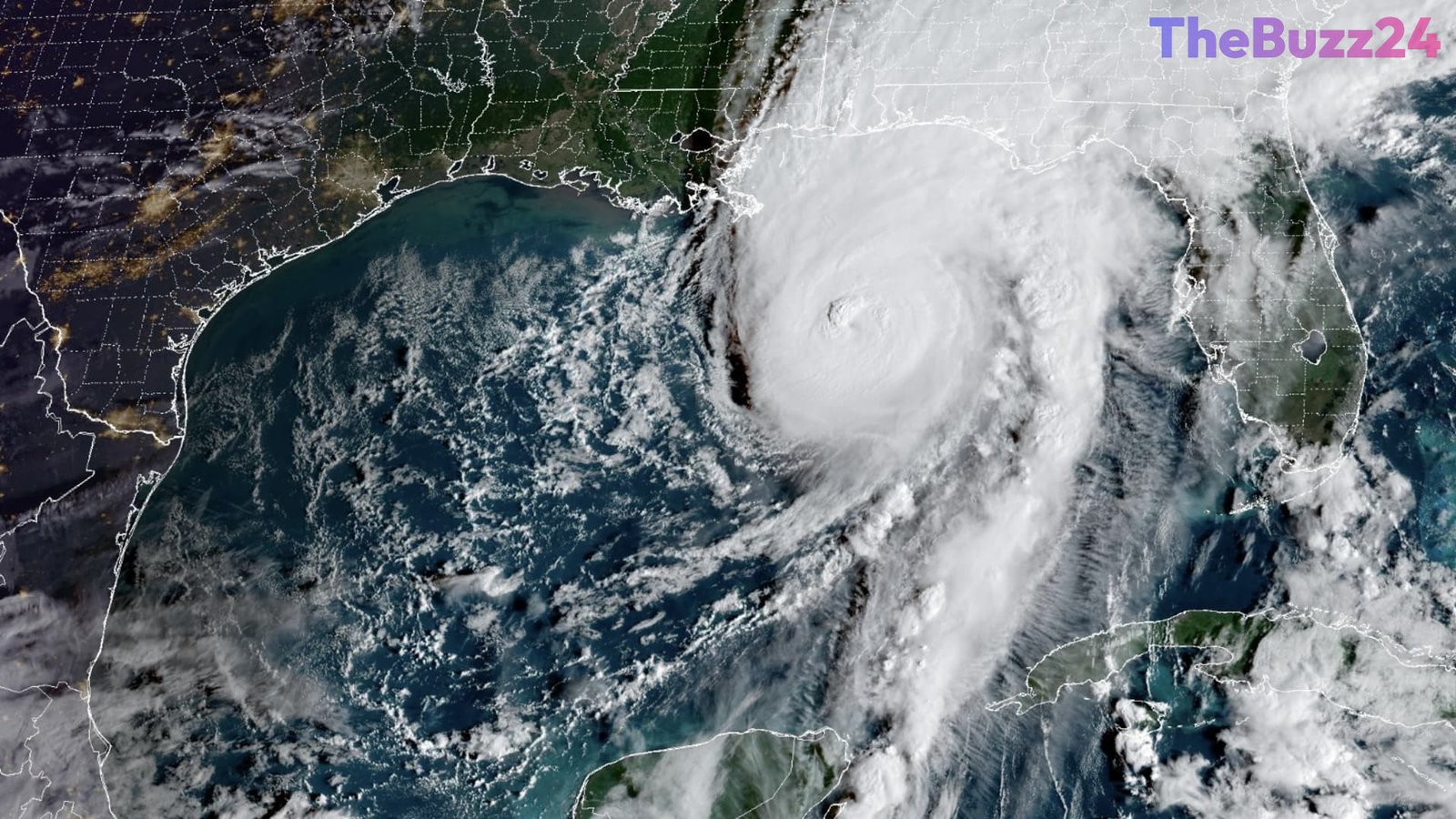
Hurricane Isaias, a powerful Category 3 storm packing winds of 120 mph, is bearing down on the northern Gulf Coast, forcing energy companies to halt a massive portion of offshore oil production. Ahead of the storm’s projected landfall along the Mississippi, Alabama, and Florida panhandle, operators have shut in approximately 1.3 million barrels per day of crude production. This suspension represents roughly 63% of the total output from the Gulf of Mexico, threatening to strain already tight global energy markets.
While the storm’s trajectory appears to spare the dense refining hubs of southern Louisiana, it poses a direct threat to facilities further east. Chevron’s refinery in Pascagoula, Mississippi, and Vertex Energy’s facility in Saraland, Alabama, both lie within the storm’s warning zones. Together, these two plants process about 466,000 barrels of oil per day, accounting for nearly 2.4% of the total refining capacity in the United States. Industry experts warn that the primary hazards to these operations are prolonged power outages and severe flooding, which could trigger shutdowns lasting one to two weeks even if no structural damage occurs.
The timing of the disruption is particularly critical for global fuel supplies. U.S. diesel inventories are currently hovering at their lowest seasonal levels since 1982, leaving virtually no safety margin as Gulf Coast refineries operate at a strained 95% capacity. This domestic squeeze coincides with international supply pressures, as geopolitical conflicts in Eastern Europe and the Middle East have knocked out significant global refining capacity. Consequently, U.S. refiners had been exporting high volumes of diesel to Europe to capitalize on strong margins—a flow that is now temporarily jeopardized.
Beyond immediate refining halts, the hurricane is expected to severely disrupt maritime logistics. Tanker traffic in the Gulf will face significant delays, stalling both the delivery of crude to refineries and the distribution of finished products like gasoline, jet fuel, and diesel. Regions heavily reliant on these shipments, particularly Florida, are anticipated to experience localized fuel delivery delays as supply chains adjust to the storm’s aftermath.
Key Takeaways
- Hurricane Isaias has forced the shutdown of 1.3 million barrels per day, representing 63% of the Gulf of Mexico's oil production.
- Chevron's Pascagoula and Vertex's Saraland refineries face potential flooding and power outages, threatening 2.4% of U.S. refining capacity.
- The disruptions come amid historically low diesel inventories and high global demand driven by geopolitical conflicts.
Editor’s Analysis & Impact
The disruption caused by Hurricane Isaias highlights the extreme vulnerability of the highly centralized U.S. refining infrastructure on the Gulf Coast. With regional refineries already operating at 95% capacity, there is virtually no operational buffer to absorb sudden supply shocks. This shutdown occurs against a backdrop of historically low diesel inventories and ongoing geopolitical conflicts in Ukraine and the Middle East that have already constrained global refining output. Consequently, even a brief operational halt of one to two weeks at the threatened facilities could trigger a sharp spike in retail fuel prices, particularly for diesel and heating oil. In the longer term, this event underscores the urgent need for diversified refining capacity and improved grid resilience to protect critical energy infrastructure from increasingly severe weather events.
Frequently Asked Questions
Q: How much of the Gulf's oil production has been shut down due to Hurricane Isaias?
A: Approximately 1.3 million barrels per day, which accounts for about 63% of the total U.S. crude production in the Gulf of Mexico, has been shut in.
Q: Which specific refineries are at risk from the storm?
A: Chevron's refinery in Pascagoula, Mississippi, and Vertex Energy's refinery in Saraland, Alabama, are the primary facilities threatened by the hurricane's path.
Q: Why are diesel supplies currently so vulnerable?
A: U.S. diesel inventories are at their lowest seasonal levels since 1982. This scarcity is compounded by global refinery outages caused by geopolitical conflicts in Eastern Europe and the Middle East, leaving no excess capacity to offset domestic disruptions.
AI Disclosure: This article is based on verified data and official reports. Our Team and AI have cross-referenced every financial detail with primary sources to ensure total accuracy.
More from this Category