Nobel Laureate Navi Pillay Denounces US Sanctions Against International Criminal Court
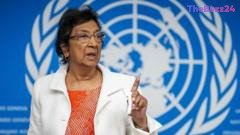
Nobel Peace Prize laureate Navi Pillay has publicly condemned recent United States sanctions against the International Criminal Court (ICC), labeling the measures as both unprecedented and unacceptable. Pillay, a former ICC judge and UN rights chief, made the remarks during an event at the Nobel Peace Center in Oslo, emphasizing that targeting judicial officials for their legal rulings undermines the integrity of international law.
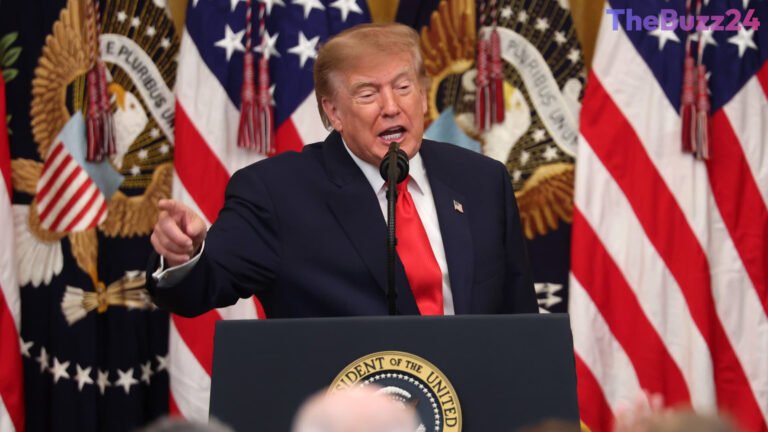
The sanctions, introduced by the Trump administration, represent a significant escalation in the US government’s efforts to restrict the court’s financial operations. By banning US entities from conducting transactions with the ICC, Washington aims to challenge the institution’s authority, which it characterizes as a threat to American sovereignty. The US has specifically cited investigations into military actions in Afghanistan and arrest warrants issued for Israeli officials as primary drivers for this policy shift.
International reaction to the move has been largely critical, with UN Secretary-General Antonio Guterres describing the sanctions as a severe blow to the global pursuit of criminal justice. Several nations, including the United Kingdom, Germany, France, and Japan, have formally expressed their disagreement with the US position. Despite the tension, the US has implemented a six-month grace period for certain financial operations, ostensibly to allow time for diplomatic negotiations regarding the court’s future.
Pillay, who was honored for her lifelong commitment to human rights and international legal standards, remains a staunch defender of the ICC. Her recognition as a Nobel laureate marks a significant moment for South Africa, as she joins the ranks of esteemed figures like Nelson Mandela and Desmond Tutu. As the standoff continues, the international community remains divided over the balance between national sovereignty and the mandate of global judicial institutions.
Key Takeaways
- Nobel Peace Prize winner Navi Pillay has criticized US sanctions on the ICC as an unprecedented assault on judicial independence.
- The US government has imposed financial restrictions on the ICC, citing concerns over national sovereignty and specific court investigations.
- Major global powers, including the UK, Germany, and France, have joined the UN in expressing strong opposition to the US sanctions.
Editor’s Analysis & Impact
The imposition of sanctions on the International Criminal Court by the United States marks a volatile shift in international relations, signaling a deepening rift between Washington and multilateral legal institutions. This move creates a precarious environment for global justice, as it challenges the court’s ability to function independently of political pressure from major world powers. The long-term implications are significant: if the US successfully weakens the ICC’s financial and operational capacity, it could set a precedent for other nations to disregard international legal mandates when they conflict with domestic interests. Conversely, the unified pushback from European allies and the UN suggests that the ICC retains strong institutional support. The future of international criminal law will likely depend on whether diplomatic channels can resolve these sovereignty disputes or if the court faces a period of prolonged institutional paralysis.
Frequently Asked Questions
Q: Why did the US impose sanctions on the ICC?
A: The US government claims the ICC threatens American sovereignty and has expressed strong opposition to the court's investigations into US military actions and its issuance of arrest warrants for Israeli officials.
Q: What is the impact of these sanctions on the ICC?
A: The sanctions aim to restrict the ICC's financial operations by prohibiting US entities from conducting transactions with the court, which critics argue is an attempt to dismantle the institution's ability to function.
AI Disclosure: This article is based on verified data and official reports. Our Team and AI have cross-referenced every financial detail with primary sources to ensure total accuracy.
More from this Category