Riyadh Airport Attack Prompts U.S. Review of Houthi Conflict Role
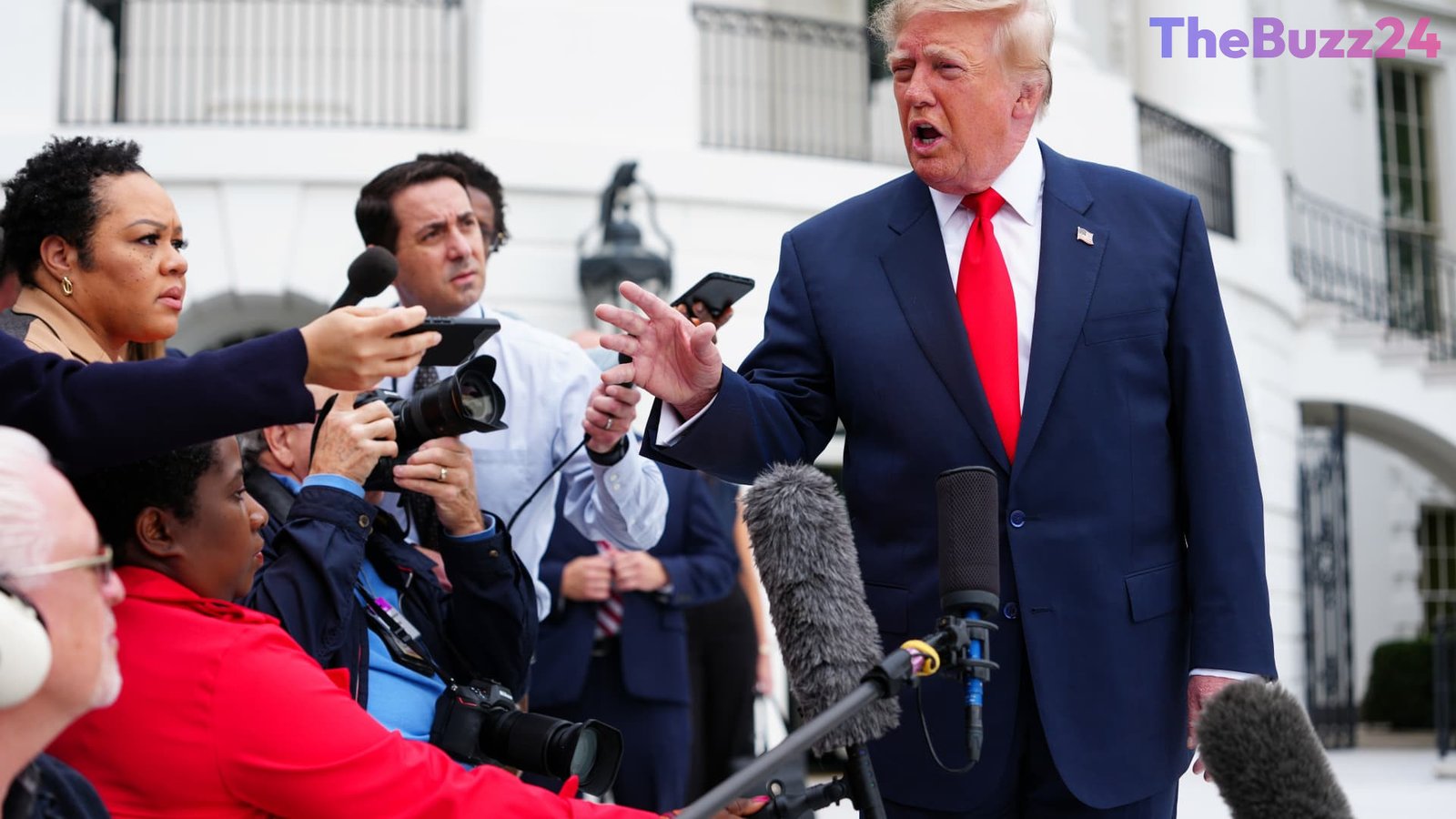
President Donald Trump has indicated he is considering potential U.S. involvement alongside Saudi Arabia in retaliatory actions against the Iran-backed Houthi movement in Yemen. This consideration follows a recent deadly assault on Riyadh’s primary international airport, an incident that has significantly escalated regional tensions.
The attack on King Khalid International Airport in Riyadh resulted in the deaths of 12 individuals and left 309 injured, according to Saudi authorities. This incident marks the second deadly assault on the facility within a week. Following the strike, Saudi government officials reportedly sought urgent defense support from the United States, emphasizing the need for swift intervention to bolster the Saudi-led coalition’s efforts against the Houthis in Yemen. The Houthis, who claimed responsibility for the attack, issued a stark warning to airlines and travelers, advising against the use of Saudi airports and airspace, designating them as active operational zones, with the exception of the holy cities of Mecca and Medina.
Analysts suggest that direct U.S. military engagement in the fight against the Houthis could strain American resources already committed across the Middle East and potentially draw the nation deeper into what some describe as a second front in the broader regional conflict involving Iran. The Houthis have also been actively targeting critical maritime routes, including attempts to disrupt oil tanker traffic through the strategic Bab el Mandeb strait, a vital entry point to the Red Sea. This mirrors tactics previously observed in the Strait of Hormuz, further highlighting the group’s capacity to impact global energy flows.
Amidst these escalating tensions, an international energy conference in Riyadh is proceeding as planned, underscoring the complex interplay of security challenges and economic interests in the region. Meanwhile, the United Kingdom’s defense secretary has also confirmed that his government is exploring avenues to support Saudi Arabia, though emphasizing that direct offensive operations are not being considered at this stage, maintaining that a military solution to the conflict is not viable.
Key Takeaways
- President Trump is considering U.S. military involvement with Saudi Arabia against Iran-backed Houthis following a deadly attack on Riyadh's King Khalid International Airport.
- The attack, which killed 12 and injured 309, marks an escalation in the conflict, prompting Saudi Arabia to request urgent defense support from the U.S.
- Potential U.S. intervention could significantly expand its military commitments in the Middle East and further entangle it in the broader regional conflict.
Editor’s Analysis & Impact
The potential U.S. intervention in the Yemen conflict, spurred by the recent Houthi attack on Riyadh, signals a significant escalation in regional dynamics. For the energy market, increased instability in the Gulf and the Red Sea, particularly around the Bab el Mandeb strait, could lead to heightened oil price volatility and supply chain disruptions. Broader implications include a potential re-evaluation of U.S. foreign policy in the Middle East, testing its capacity to manage multiple fronts while balancing alliances. The move could further entrench the U.S. in a protracted conflict, with humanitarian consequences for Yemen and a complex diplomatic challenge in managing relations with Iran and its proxies. The decision will have lasting effects on regional power balances and global security perceptions.
Frequently Asked Questions
Q: What happened at King Khalid International Airport?
A: King Khalid International Airport in Riyadh, Saudi Arabia, was subjected to a deadly attack, resulting in 12 fatalities and 309 injuries. This was the second such assault on the airport within a week, with the Iran-backed Houthi movement claiming responsibility.
Q: Why is the U.S. considering involvement in the conflict?
A: Following the escalated attacks, Saudi Arabia has requested urgent defense support from the United States. President Donald Trump stated he is 'going to look at' joining Saudi Arabia in its retaliation against the Houthis, indicating a potential expansion of U.S. military engagement in the region.
Q: What is the broader significance of the Houthis' actions?
A: The Houthis' attacks, particularly on civilian infrastructure and attempts to disrupt shipping lanes like the Bab el Mandeb strait, highlight their capacity to destabilize the region and impact global trade. Their actions are seen as part of a wider proxy conflict involving Iran and could draw major international powers deeper into the Yemen civil war.
AI Disclosure: This article is based on verified data and official reports. Our Team and AI have cross-referenced every financial detail with primary sources to ensure total accuracy.
More from this Category