Hurricane Isaias Leaves Trail of Destruction and Power Outages Across Southern US
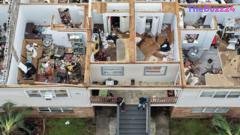
Hurricane Isaias has left a devastating impact across the southern United States, resulting in four confirmed fatalities and widespread power outages affecting approximately 500,000 residents. The storm, which made landfall in Florida with sustained winds reaching 105mph, caused significant structural damage, including collapsed roofs and downed trees, before being downgraded to a post-tropical cyclone.
In Florida, Escambia County officials confirmed two deaths, one caused by a falling tree and another resulting from carbon monoxide poisoning linked to improper generator use. Governor Ron DeSantis has urged residents to remain vigilant, citing ongoing risks from severe flooding and hazardous conditions. Meanwhile, in Alabama, Governor Kay Ivey confirmed two additional fatalities, as emergency crews continue to manage the aftermath of the storm, which included reports of spinoff tornadoes and submerged vehicles.
As the storm tracks toward the north-east, authorities in states like South Carolina are warning residents to stay off the roads, particularly as high tides threaten to exacerbate flooding. While the system is expected to weaken, the potential for heavy rainfall remains a significant concern for Georgia and the Carolinas. Emergency management teams remain on high alert, focusing on recovery efforts and public safety as the region grapples with the first major hurricane of the season.
Key Takeaways
- Hurricane Isaias caused four deaths across Florida and Alabama, with causes ranging from structural collapse to carbon monoxide poisoning.
- Approximately 500,000 people were left without power as the storm brought high winds and heavy rainfall to the southern US.
- Authorities have issued warnings regarding ongoing flood risks and dangerous road conditions as the storm moves toward the north-east.
Editor’s Analysis & Impact
The impact of Hurricane Isaias highlights the increasing vulnerability of coastal infrastructure to extreme weather events. Beyond the immediate human toll, the widespread power outages underscore the fragility of regional utility grids when faced with high-wind events. Economically, the storm places a significant burden on state emergency funds and local insurance markets, which are already strained by the rising frequency of climate-related disasters. Looking ahead, the integration of more resilient power infrastructure and improved public education regarding generator safety will be critical. As hurricane seasons become less predictable due to shifting global climate patterns, states must prioritize long-term mitigation strategies, such as improved drainage systems and stricter building codes, to minimize future economic losses and protect public safety during increasingly volatile weather cycles.
Frequently Asked Questions
Q: What should residents do if they are using a generator during a power outage?
A: Generators should always be used outdoors in a well-ventilated area, at least 20 feet away from windows, doors, and vents to prevent the buildup of deadly carbon monoxide gas.
Q: Why is it dangerous to drive during a flood?
A: Floodwaters can be deceptive; it is often impossible to judge the depth of the water or the condition of the road underneath. Even shallow moving water can sweep a vehicle off the road.
AI Disclosure: This article is based on verified data and official reports. Our Team and AI have cross-referenced every financial detail with primary sources to ensure total accuracy.
More from this Category