Escalating Houthi Missile Strikes Trigger Global Travel Warnings and Airport Shutdowns in Saudi Arabia
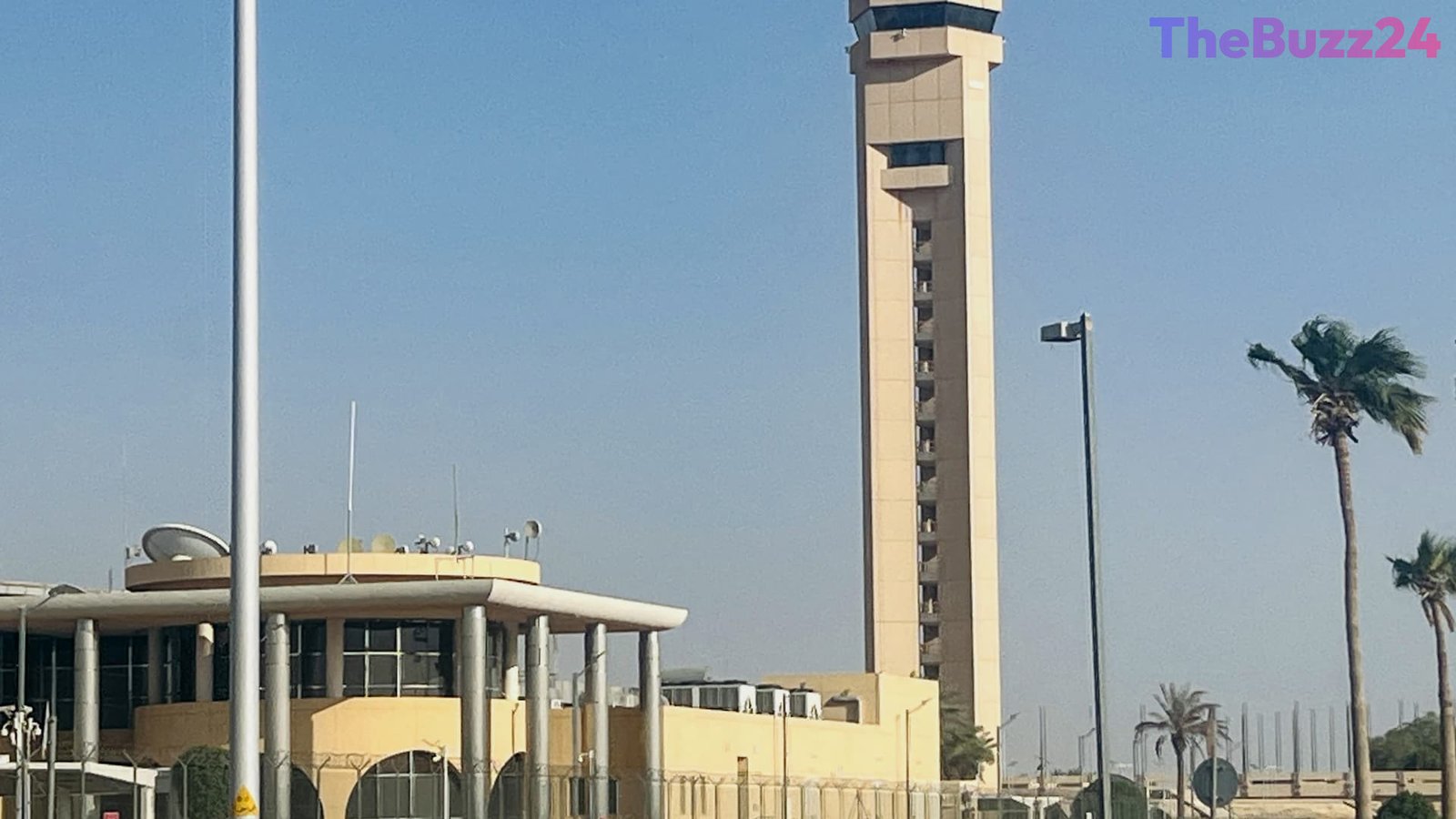
Saudi Arabian defense forces continue to confront an escalating barrage of drone and missile strikes launched by Iran-backed Houthi rebels targeting vital civilian infrastructure across the kingdom. King Khalid International Airport in Riyadh has been heavily targeted, leading aviation authorities to extend operational suspensions following multiple direct hits. The violence peaked over the weekend when a devastating strike on Saturday left 12 people dead and over 300 injured, followed by another lethal attack on Sunday that inflicted further casualties.
In response to the rapid deterioration of security, a broad coalition of governments—including the United States, the United Kingdom, Australia, New Zealand, Canada, France, Germany, and Japan—has issued urgent travel advisories warning citizens against visiting Riyadh and surrounding regions. The heightened hostilities come at a crucial moment for the kingdom, as Riyadh is currently hosting major international corporate events such as the World Petroleum Congress, the International Energy Forum Ministerial Meeting, and the Future Investment Initiative, raising serious concerns regarding regional security during high-profile global summits.
The targeted strikes on key infrastructure have renewed intense scrutiny over Saudi Arabia’s air defense capabilities despite its immense military investments. Geopolitical tensions remain high across the region. U.S. President Donald Trump indicated that American forces might join Saudi Arabia in retaliatory operations against Houthi military positions in Yemen. Meanwhile, diplomatic channels remain complex; Iranian Foreign Minister Abbas Araghchi communicated with Saudi Foreign Minister Prince Faisal bin Farhan Al Saud regarding potential security dialogue, even as Iranian officials continue to evaluate American responses concerning the reopening of the Strait of Hormuz.
Key Takeaways
- Deadly Houthi drone and missile strikes forced the closure of King Khalid International Airport in Riyadh, resulting in multiple fatalities and hundreds of injuries.
- Major global powers, including the U.S., UK, France, and Japan, issued strict travel advisories urging citizens to avoid travel to Saudi Arabia.
- The security escalation coincides with major international energy and investment summits in Riyadh, prompting potential U.S. military involvement.
Editor’s Analysis & Impact
The recent military escalation in Saudi Arabia poses immediate threats to both regional economic initiatives and global transit safety. By successfully targeting Riyadh’s primary aviation hub during high-level international conferences, Houthi forces have demonstrated an ability to challenge defense networks, impacting investor confidence in Saudi Arabia’s long-term economic diversification goals. The conflict’s proximity to key diplomatic and energy summits amplifies risk premiums across energy markets and international aviation sectors. Furthermore, potential U.S. military intervention could heighten regional volatility, while lingering uncertainty surrounding the Strait of Hormuz continues to threaten vital global maritime trade. International commerce and travel sectors must prepare for prolonged disruption across Middle Eastern transit corridors.
Frequently Asked Questions
Q: Why were operations suspended at King Khalid International Airport?
A: Operations were halted after the airport sustained multiple missile and drone strikes launched by Houthi militants, resulting in significant casualties and infrastructure damage.
Q: Which nations have issued travel advisories for Saudi Arabia?
A: A wide range of countries, including Australia, New Zealand, the United States, the United Kingdom, Canada, France, Germany, and Japan, have cautioned their citizens against traveling to the region.
Q: What key international events are currently taking place in Riyadh?
A: Saudi Arabia is hosting several high-profile gatherings, including the World Petroleum Congress, the International Energy Forum Ministerial Meeting, and the Future Investment Initiative.
AI Disclosure: This article is based on verified data and official reports. Our Team and AI have cross-referenced every financial detail with primary sources to ensure total accuracy.
More from this Category