China’s Gold Rush: Record Imports Signal Shift Away From Dollar and Economic Uncertainty
China is experiencing an unprecedented surge in gold imports, driven by a dual strategy of central bank diversification and a lack of attractive domestic investment alternatives. This significant influx of the precious metal is not only bolstering global gold prices but also reflects Beijing’s strategic move to reduce its reliance on the U.S. dollar and its associated financial instruments.
The People’s Bank of China has consistently increased its gold reserves, marking 23 consecutive months of purchases. In September alone, the central bank acquired approximately 23 tonnes, the largest monthly addition in nearly three years. This sustained buying spree underscores a broader geopolitical objective: mitigating risks associated with the “weaponization of the U.S. dollar,” as highlighted by analysts. The freezing of Russian central bank assets by Western nations has served as a stark reminder of the potential vulnerabilities of holding reserves in foreign-controlled assets.
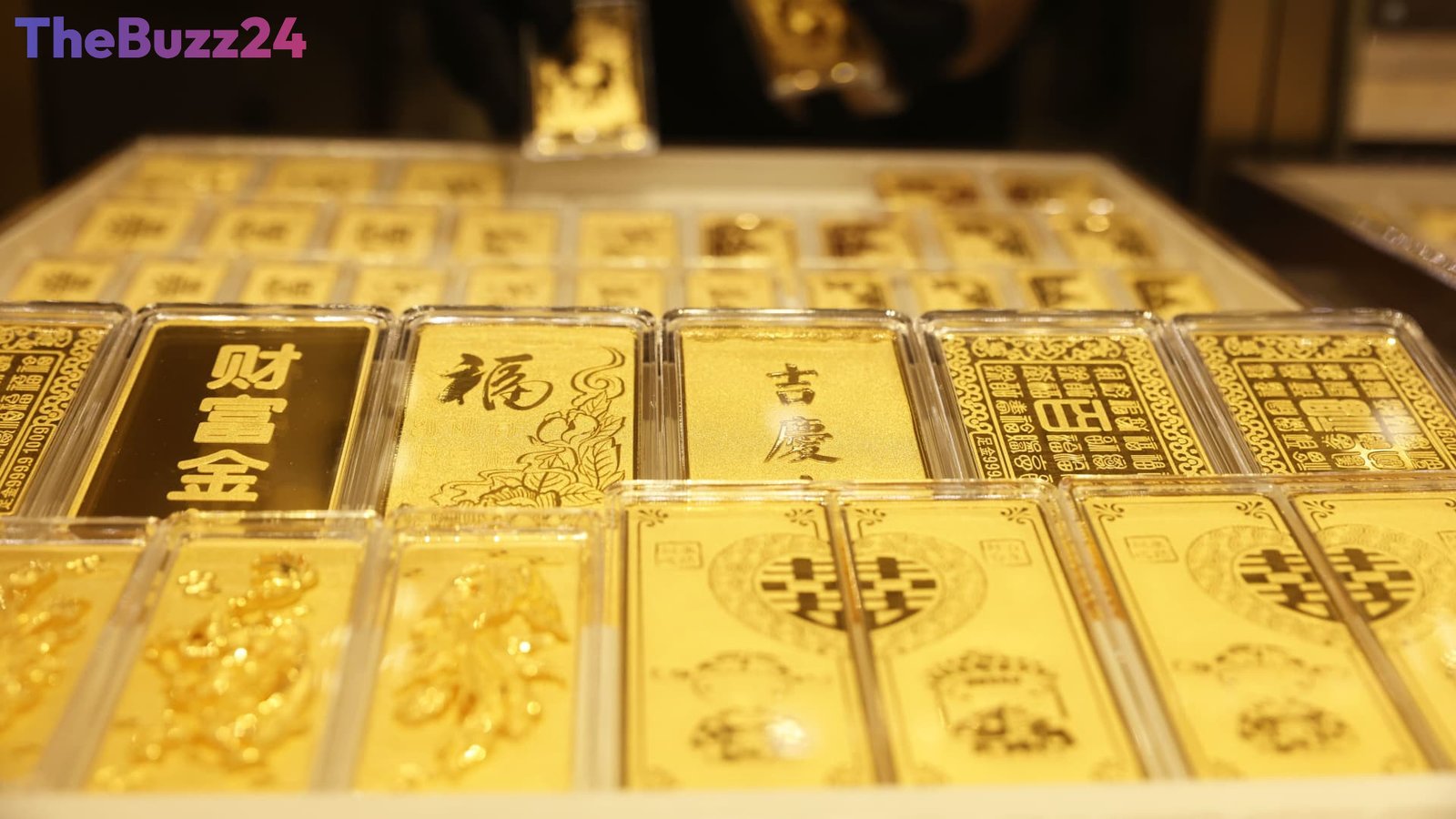
Beyond institutional strategy, Chinese households and corporations are increasingly turning to gold as a safe haven amid domestic economic headwinds. With the property market mired in a prolonged slump and the stock market underperforming global benchmarks, investors are seeking stability. The country’s customs data reveals a record $158.8 billion spent on importing over 1,000 tonnes of gold in the first eight months of the year, surpassing the entirety of 2025’s imports. This consumer demand is further evidenced by surging premiums on onshore gold prices, indicating strong seasonal buying patterns.
Analysts anticipate this robust demand for gold to continue, providing a crucial floor for bullion prices. While rising U.S. yields typically dampen enthusiasm for non-yielding assets like gold, China’s consistent purchasing power is acting as a significant counterforce. This trend is expected to persist as long as geopolitical tensions remain elevated and domestic economic uncertainties linger, offering a stark contrast to the performance of traditional Chinese investments.
Key Takeaways
- China's gold imports have reached record levels, driven by both central bank diversification and consumer demand for safe-haven assets.
- The People's Bank of China's consistent gold purchases signal a strategic effort to reduce dependence on the U.S. dollar.
- Domestic economic challenges, including a struggling property market and underperforming stock market, are pushing Chinese individuals and companies towards gold as a stable investment.
Editor’s Analysis & Impact
China’s record gold imports represent a significant shift in global financial dynamics. The central bank’s strategic diversification away from U.S. dollar assets, spurred by geopolitical concerns, is a clear signal of evolving reserve management strategies. Concurrently, domestic economic anxieties are channeling retail and corporate capital into gold, creating a powerful demand base. This dual-pronged buying pressure is providing substantial support to gold prices, potentially insulating them from the typical downward pressure exerted by rising global interest rates. The long-term implications suggest a potential recalibration of currency influence and a growing importance of gold as a global reserve asset, particularly if geopolitical tensions persist and China’s domestic market recovery remains slow.
Frequently Asked Questions
Q: Why is China importing so much gold?
A: China is importing record amounts of gold for two primary reasons: its central bank is diversifying its foreign reserves to reduce reliance on the U.S. dollar, and domestic consumers and businesses are seeking a safe haven for their investments due to economic uncertainty and a weak property and stock market.
Q: How does China's gold buying affect global gold prices?
A: China's consistent and substantial demand for gold acts as a significant support for global bullion prices. This buying helps to put a floor under prices, preventing deeper declines that might otherwise occur due to factors like rising U.S. interest rates.
Q: What are the geopolitical reasons behind China's increased gold purchases?
A: Geopolitical tensions and the "weaponization of the U.S. dollar" are key drivers. Events like the freezing of Russian central bank assets have highlighted the risks of holding reserves in foreign currencies or assets that can be restricted during international disputes. Gold held within a country's own vaults is seen as a more secure and insulated asset.
AI Disclosure: This article is based on verified data and official reports. Our Team and AI have cross-referenced every financial detail with primary sources to ensure total accuracy.
More from this Category