European Automakers Push for Local Incentives as China’s Market Dominance Grows
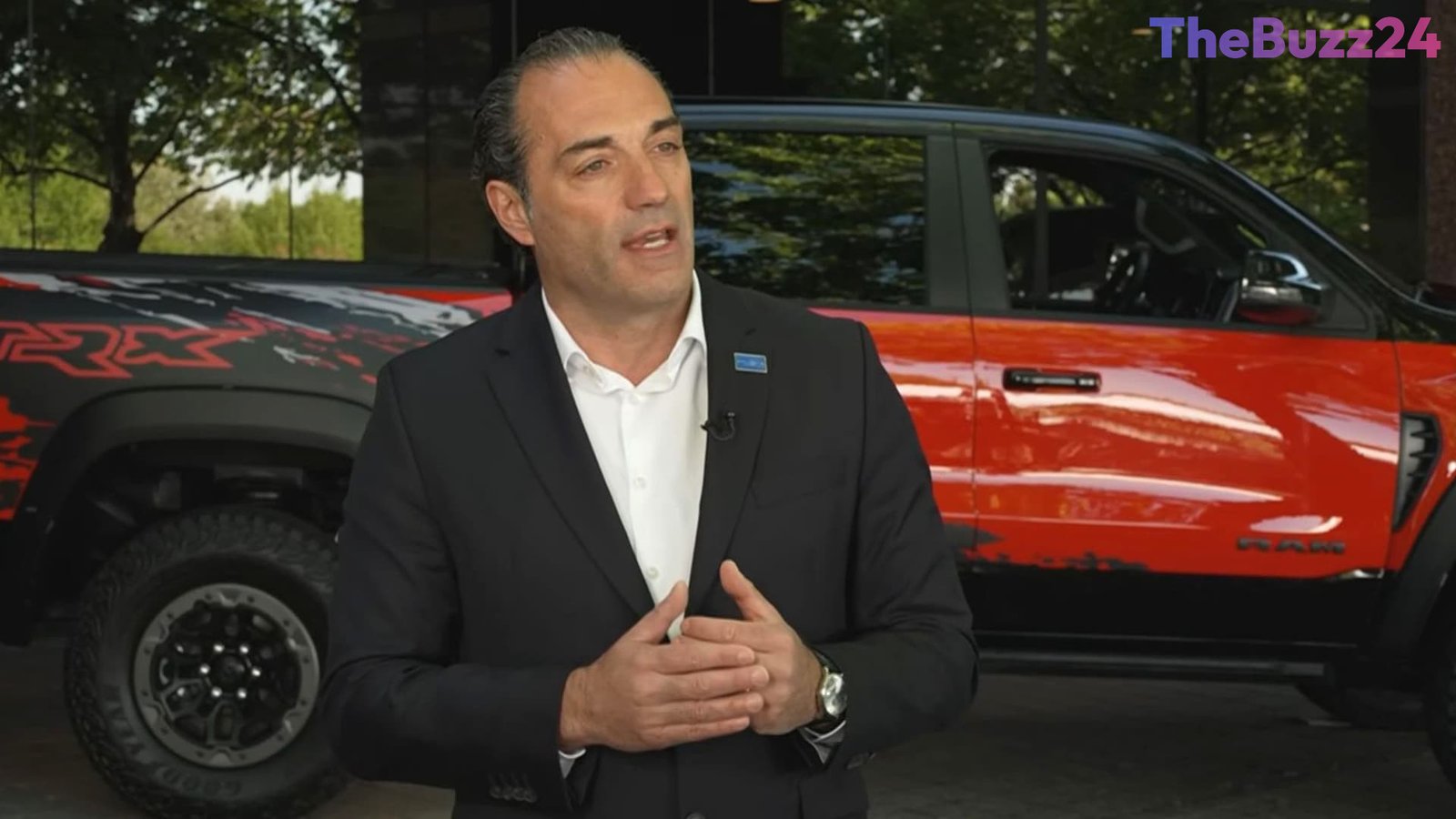
The head of Stellantis, a major global automaker known for brands like Jeep and Ram, has urged European regulators to implement stronger incentives for vehicle manufacturing within the region. This call comes as European carmakers face escalating competition from Chinese rivals, who are rapidly expanding their presence and market share across the continent. Antonio Filosa, who assumed leadership of the automotive giant in 2025, highlighted the company’s declining sales and the “impressive” acceleration of Chinese brands in the European market during recent remarks ahead of the Paris Motor Show.
Filosa emphasized the need to establish a “level playing field” for all participants in the European automotive sector. He specifically advocated for robust regulations, such as a “Made in Europe” framework, designed to incentivize, reward, and protect companies that demonstrate a commitment to designing and engineering vehicles within the continent. This proposed legislation, currently under consideration by the EU Commission, would mandate minimum local content requirements for cars sold within the regional market. Stellantis itself is navigating a significant $70 billion turnaround strategy amidst a period of declining demand, with its shares experiencing a nearly 60% drop since the beginning of the year.
The rise of Chinese car brands has been substantial, with their global auto-sales share increasing by almost 70% between 2020 and 2025. In Europe, where their market share was negligible in 2020, it has now climbed to 12% as of August this year. Filosa acknowledged the appeal of Chinese automakers, noting their ability to offer advanced technology and competitive pricing across various consumer segments. In a related development, European Trade Commissioner Maroš Sefčovič recently announced that China has agreed to halve its exports of hybrid cars to the bloc, a breakthrough after previous rejections. This agreement led to an immediate positive reaction in the market, with shares of European carmakers like Stellantis and Renault rising significantly, alongside automotive parts suppliers Valeo and Forvia.
Responding to the agreement, China’s Ministry of Commerce affirmed ongoing dialogue with the European Union on trade and investment matters. A spokesperson indicated that both sides have reached “several consensuses and achievements” aimed at maintaining a stable and balanced key trade partnership. A core principle established in the agreement is “non-discrimination,” ensuring that no measures will specifically target or disadvantage Chinese companies, and that China’s import quota will not be lower than that of any other source for the EU.
Key Takeaways
- Stellantis CEO Antonio Filosa is advocating for "Made in Europe" incentives to protect European carmakers from surging Chinese competition.
- Chinese automakers have significantly increased their global and European market share, offering competitive technology and pricing.
- The EU and China recently agreed to halve China's hybrid car exports to the bloc, leading to a positive market reaction for European auto stocks.
Editor’s Analysis & Impact
This development signals a critical juncture for the European automotive industry. The call for “Made in Europe” incentives reflects a growing protectionist sentiment aimed at safeguarding domestic manufacturing and innovation against aggressive foreign competition, particularly from China. While such measures could bolster local employment and technological development, they also risk escalating trade tensions and potentially limiting consumer choice or increasing prices. The recent agreement on hybrid car exports, though a step towards balancing trade, highlights the complex interplay between economic competition and geopolitical strategy. The long-term impact will depend on the specifics of future regulations and the industry’s ability to innovate and adapt, potentially leading to a more localized supply chain but also challenging global free trade principles.
Frequently Asked Questions
Q: What is the "Made in Europe" regulation proposed by Stellantis' CEO?
A: The "Made in Europe" regulation is a proposed legislative framework by the EU Commission that would require carmakers to meet minimum local content requirements for vehicles sold within the European market. Its aim is to incentivize, reward, and protect companies that design and engineer cars in Europe.
Q: Why is Stellantis advocating for these incentives?
A: Stellantis, like other European automakers, is facing intense competition from Chinese rivals who have rapidly gained market share in Europe. CEO Antonio Filosa believes these incentives are crucial to create a "level playing field" and support European manufacturing amidst declining sales for companies like Stellantis.
Q: What was the recent agreement between the EU and China regarding car exports?
A: The European Union and China recently reached an agreement where China committed to halving its exports of hybrid cars to the EU. This deal, which includes a principle of "non-discrimination" for Chinese companies, aims to address trade imbalances and has been met with a positive response from European automotive stocks.
AI Disclosure: This article is based on verified data and official reports. Our Team and AI have cross-referenced every financial detail with primary sources to ensure total accuracy.
More from this Category