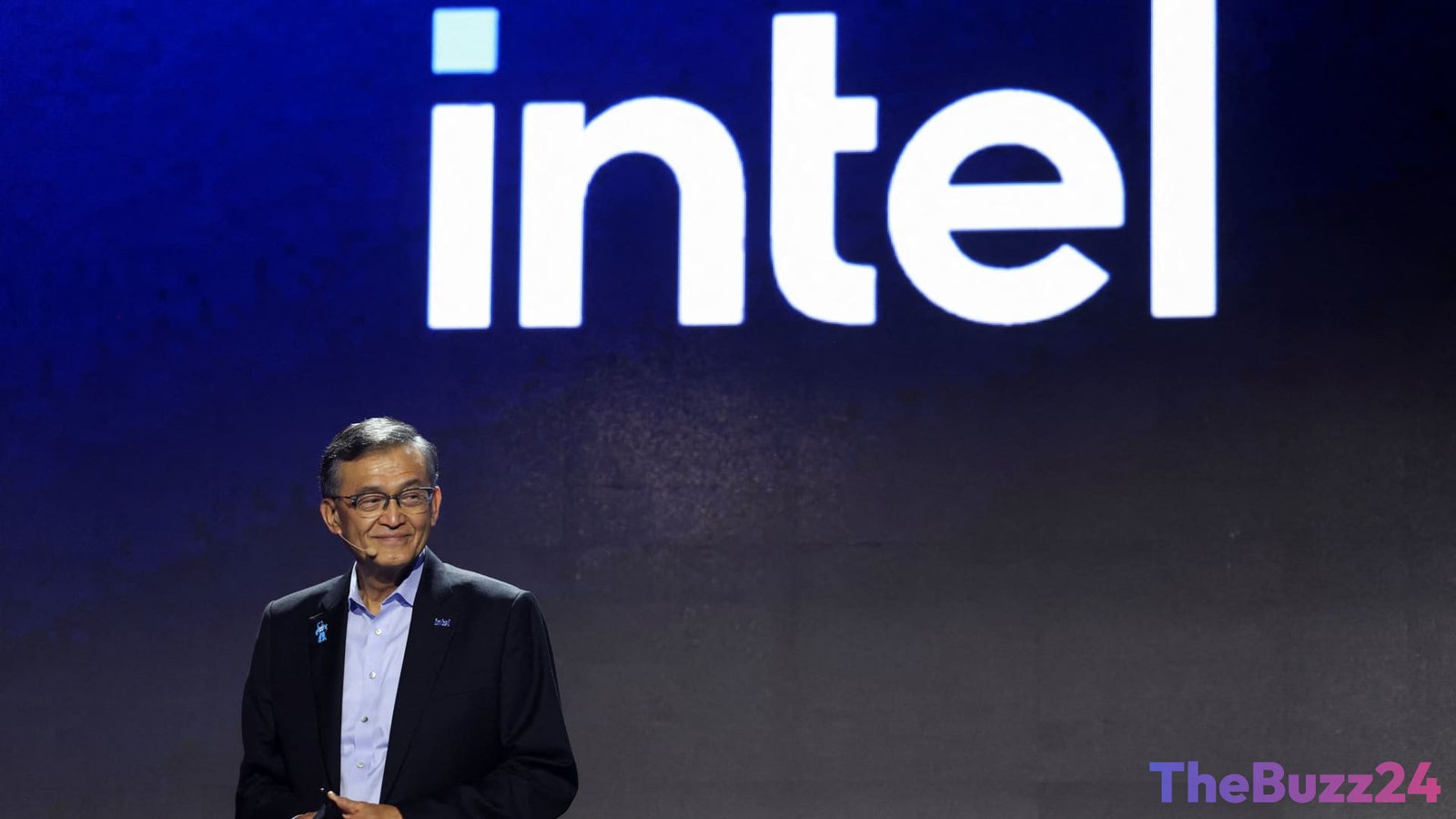
Beyond Chips: Intel and Broadcom CEOs Flag Capital as AI’s Looming Bottleneck
Leading figures from the semiconductor industry, including the chief executives of Intel and Broadcom, have issued a significant caution regarding the future trajectory of artificial intelligence. They suggest that the availability of capital, rather than traditional supply chain issues, could emerge as the most substantial impediment to the burgeoning AI sector, even as demand for advanced computing infrastructure continues to outpace current supply capabilities.
Broadcom CEO Hock Tan articulated this concern, positing that financial constraints might prove to be a greater obstacle to AI expansion than shortages of semiconductors, memory chips, or even electricity. His Intel counterpart, Lip-Bu Tan, echoed these sentiments, highlighting the increasing cost of capital and raising questions about the long-term return on investment (ROI) for companies pouring vast sums into AI development. These remarks underscore a growing challenge for an industry that has seen immense investment in data centers, sophisticated chips, and power infrastructure, all in anticipation of an insatiable appetite for computing power.
The warnings come amidst a period of rising borrowing costs, which are complicating financing efforts for technology firms heavily invested in AI infrastructure. Elevated bond yields could escalate the expense of funding new data center constructions and crucial chip acquisitions, potentially straining the economic viability of projects that may require years to yield substantial returns. Despite these financial headwinds, both executives expressed optimism about the near-term demand for AI computing infrastructure, with Hock Tan noting that current demand far exceeds supply, a trend he anticipates could persist for several years. Lip-Bu Tan similarly projected continued robust growth over the next two to three years, driven by increasing AI application adoption.
However, sustaining this rapid growth beyond the immediate future will critically depend on the pace at which businesses integrate AI and whether the technology demonstrably delivers meaningful economic advantages. Broadcom’s Tan cautioned that demand for computing infrastructure could decelerate if the adoption of advanced AI models falls short of expectations or if improvements in their capabilities begin to plateau. Intel’s Tan further emphasized the imperative for companies to showcase tangible returns from their AI investments, primarily through enhanced operational efficiency and the creation of innovative business models.
Key Takeaways
- Intel and Broadcom CEOs warn that access to capital, not chip shortages, could become the primary bottleneck for AI growth.
- Rising borrowing costs and concerns over long-term return on investment (ROI) are making financing AI infrastructure more challenging.
- While near-term demand for AI computing remains strong, sustained long-term growth hinges on widespread AI adoption and demonstrable economic benefits.
Editor’s Analysis & Impact
The warnings from Intel and Broadcom’s leadership signal a potential shift in the challenges facing the AI industry. Historically, the focus has been on hardware supply chains and technological breakthroughs. However, the emphasis on capital access and ROI suggests a maturing market where financial prudence will increasingly dictate the pace of innovation and deployment. This could lead to consolidation, as smaller, less capitalized AI ventures struggle to secure funding, while larger players with stronger balance sheets might gain an advantage. Investors will likely scrutinize AI projects more closely, demanding clearer pathways to profitability and tangible business outcomes. This financial bottleneck could temper the hyper-growth expectations, fostering a more sustainable, but potentially slower, development trajectory for AI infrastructure.
Frequently Asked Questions
Q: What is the primary concern raised by Intel and Broadcom CEOs regarding AI growth?
A: The chief executives of Intel and Broadcom are primarily concerned that access to capital and the rising cost of financing could become the biggest constraint on the artificial intelligence boom, even more so than traditional supply chain issues like chip shortages.
Q: Why are rising borrowing costs a factor in AI infrastructure development?
A: Rising borrowing costs, including higher bond yields, make it more expensive for technology companies to fund the construction of data centers and the acquisition of advanced chips needed for AI infrastructure. This can put pressure on the economics of projects that may take several years to generate returns.
Q: What do executives believe is crucial for sustaining AI growth in the long term?
A: For long-term sustained growth, executives emphasize that businesses must rapidly adopt AI applications and that the technology needs to deliver clear, meaningful economic benefits. Companies will increasingly need to demonstrate tangible returns on their AI investments through improved efficiency and new business models.
AI Disclosure: This article is based on verified data and official reports. Our Team and AI have cross-referenced every financial detail with primary sources to ensure total accuracy.
More from this Category