Helix Carbon Pioneers Technology to Cut Iron Production Costs and Emissions
The global iron and steel sectors remain among the largest industrial contributors to greenhouse gas emissions. While numerous emerging firms attempt to overhaul metal production through entirely new manufacturing pathways, Helix Carbon argues that ignoring traditional infrastructure is a strategic misstep. Rather than seeking to replace legacy systems, the company focuses on retrofitting existing operations to simultaneously reduce environmental impact and improve operational margins.
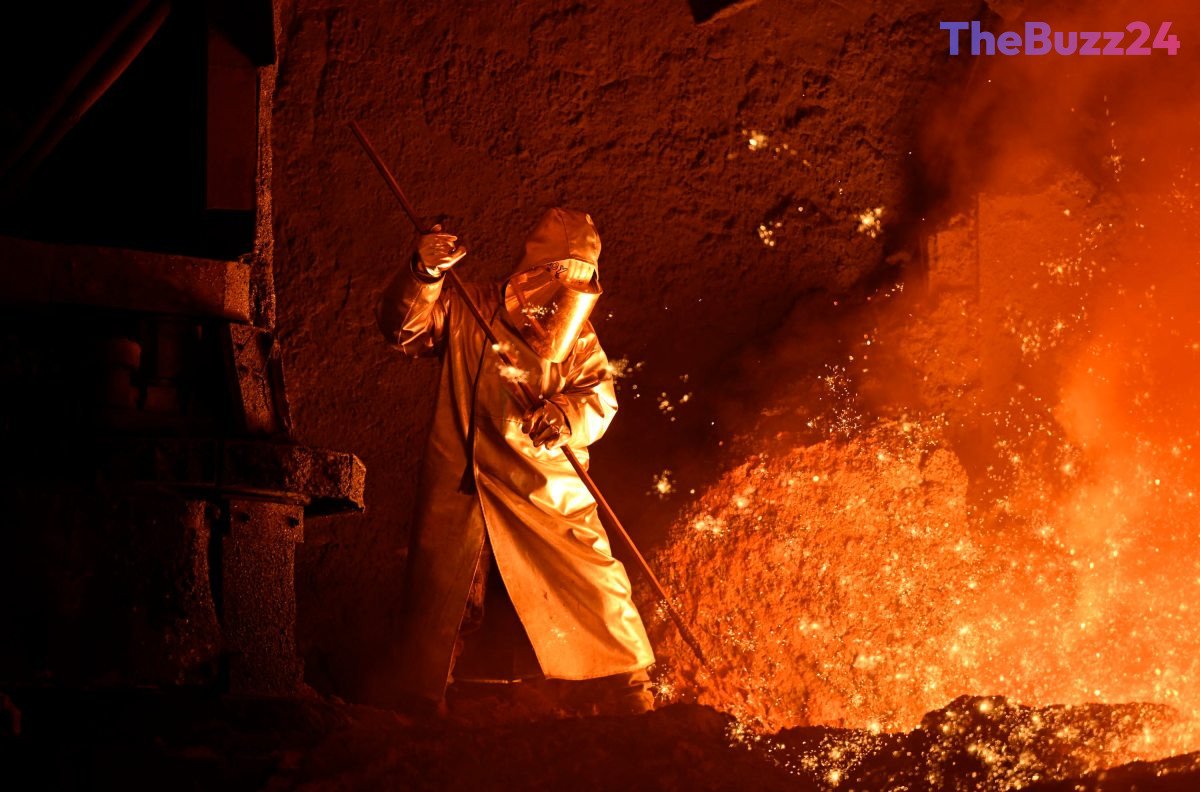
Traditional iron manufacturing relies heavily on blast furnaces that have operated for centuries. These massive structures utilize coke, a processed derivative of coal, to generate the heat and chemical reactions necessary to separate oxygen from raw iron ore. This combustion process generates immense volumes of carbon dioxide, which typically escapes directly into the atmosphere. Helix Carbon has engineered a specialized system designed to capture this waste exhaust, convert the carbon dioxide into carbon monoxide, and feed it back into the manufacturing cycle.
At the core of this innovation is a robust electrolyzer capable of processing raw blast furnace exhaust streams without requiring prior purification. By introducing recycled carbon monoxide directly into the furnace, facilities can significantly decrease their reliance on coal-derived coke. Initial economic models indicate that replacing a portion of the traditional fuel source could yield meaningful cost savings per ton of metal produced, providing a financial incentive for an industry traditionally characterized by tight profit margins.
Given the massive scale of the global iron market and the longevity of heavy industrial equipment, retrofitting existing facilities presents a practical alternative to complete infrastructural overhauls. To establish early commercial viability, the enterprise also targets the specialty chemicals sector, utilizing untreated industrial byproducts to manufacture valuable compounds on-site before deploying its full-scale metallurgical solutions.
Key Takeaways
- Helix Carbon targets existing blast furnaces rather than building new manufacturing infrastructure.
- The company's proprietary electrolyzer processes raw industrial exhaust without requiring prior purification.
- By recycling waste carbon dioxide into carbon monoxide, the process reduces coal reliance and lowers production costs.
Editor’s Analysis & Impact
The approach taken by Helix Carbon addresses one of the most stubborn bottlenecks in industrial decarbonization: the immense capital cost and slow turnover rate of heavy manufacturing infrastructure. By focusing on retrofitting rather than replacement, the company bridges the gap between environmental mandates and economic reality. If the technology scales successfully, it could provide a viable pathway for heavy industry to lower emissions while immediately improving unit economics, potentially reshaping how legacy plants operate over the coming decades.
Frequently Asked Questions
Q: How does Helix Carbon's technology work?
A: The system uses a robust electrolyzer to process raw blast furnace exhaust, breaking down waste carbon dioxide into carbon monoxide, which is then recycled back into the furnace to reduce the need for coal-derived coke.
Q: Why focus on existing blast furnaces?
A: Blast furnaces have exceptionally long operational lifespans, sometimes exceeding a century. Retrofitting them allows for immediate emission reductions and cost savings without requiring multi-billion-dollar infrastructure replacements.
AI Disclosure: This article is based on verified data and official reports. Our Team and AI have cross-referenced every financial detail with primary sources to ensure total accuracy.
More from this Category