Cerebras CEO Challenges ‘AI Doomer’ Narrative, Calls for Balanced Industry Perspective
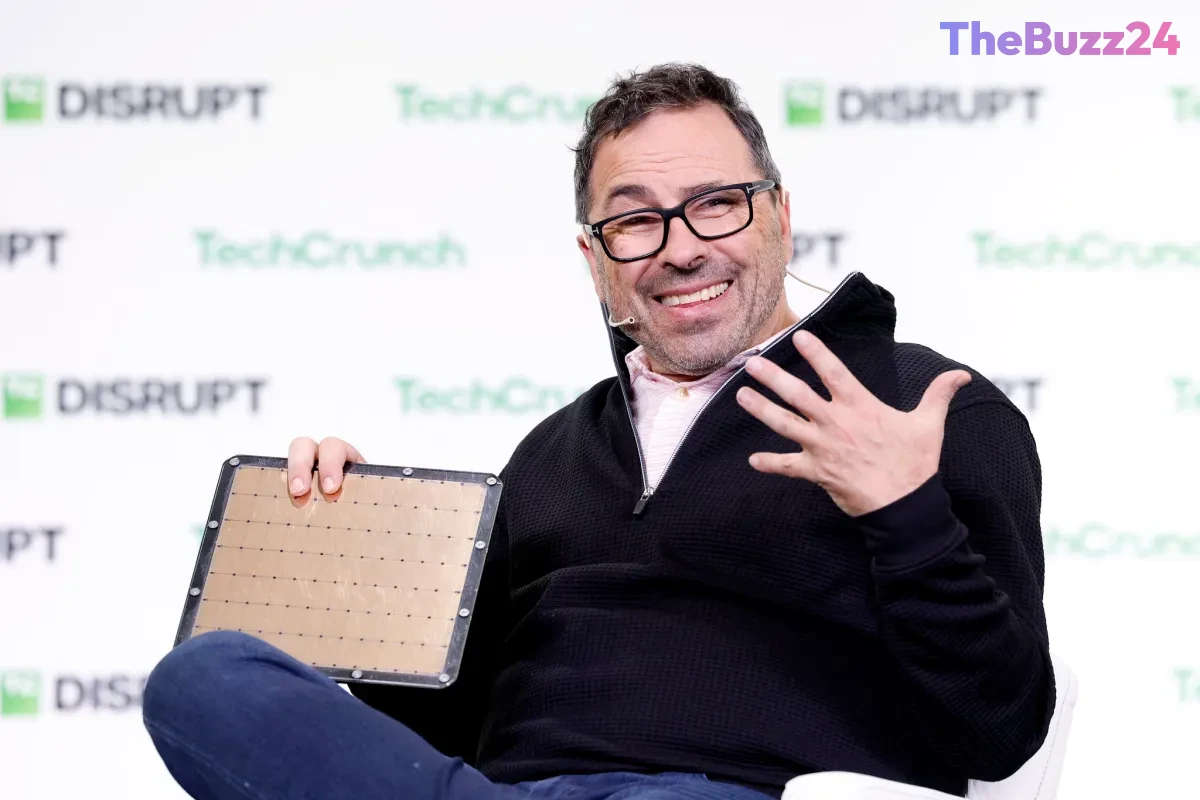
Cerebras Systems CEO and co-founder Andrew Feldman is pushing back against the growing trend of apocalyptic rhetoric surrounding artificial intelligence. During a recent industry appearance, Feldman suggested that some prominent figures in the AI sector might be doing more harm than good by focusing exclusively on existential risks, such as the potential for AI to cause catastrophic harm to humanity. He argues that this persistent negativity overshadows the profound benefits the technology offers, such as the potential to eradicate diseases like cancer.
Feldman acknowledges that powerful technologies inherently carry risks, particularly regarding their potential misuse by bad actors. However, he advocates for a more pragmatic approach that balances these concerns with reasonable regulation rather than alarmist public discourse. He believes that industry leaders have a responsibility to communicate the transformative potential of AI to the public, rather than solely focusing on hypothetical doomsday scenarios that have even begun to permeate mainstream pop culture.
Beyond the philosophical debate, Feldman addressed the practical challenges facing the AI infrastructure sector, specifically regarding data center expansion. He admitted that the industry has historically failed to engage effectively with local communities, leading to significant ‘Not In My Backyard’ (NIMBY) resistance in the United States. He contrasted this with international markets like Finland, Iceland, and Brazil, where data center development is often met with more cooperation. Feldman remains optimistic about the future, noting that ongoing improvements in hardware efficiency and model optimization will continue to drive the industry forward without diminishing the demand for high-performance computing.
Key Takeaways
- Cerebras CEO Andrew Feldman argues that excessive 'AI doomer' rhetoric obscures the technology's potential to solve major human health challenges.
- Feldman advocates for a balanced approach to AI that combines thoughtful, reasonable regulation with a focus on the positive utility of the technology.
- The data center industry is facing local community resistance in the U.S. due to poor engagement strategies, a problem that is less prevalent in several international markets.
Editor’s Analysis & Impact
The tension between AI accelerationism and safety-focused alarmism has become a defining feature of the current tech landscape. Feldman’s critique highlights a growing frustration among hardware providers who feel that the ‘doomer’ narrative is creating unnecessary friction for infrastructure deployment. By shifting the conversation toward tangible benefits—such as medical breakthroughs—industry leaders are attempting to regain public trust and political capital. However, the industry’s struggle with data center siting suggests that the ‘AI revolution’ is hitting physical constraints that go beyond code. Future growth will likely depend on the industry’s ability to improve community relations and energy efficiency, moving away from abstract existential debates toward concrete, localized value propositions that justify the massive resource consumption required by modern AI models.
Frequently Asked Questions
Q: Why does Andrew Feldman believe AI leaders should change their public messaging?
A: Feldman believes that focusing solely on existential risks ignores the massive potential for AI to improve human life, such as curing diseases, and that alarmist rhetoric is counterproductive to the industry's goals.
Q: What does Feldman identify as a major hurdle for data center expansion in the U.S.?
A: He identifies a lack of effective community engagement by the industry, which has led to significant local opposition, or 'NIMBY-ism,' compared to more welcoming international markets.
AI Disclosure: This article is based on verified data and official reports. Our Team and AI have cross-referenced every financial detail with primary sources to ensure total accuracy.
More from this Category