Tensions Flare: Iran Threatens US Warships as Houthi Attacks Hit Saudi Oil Facilities
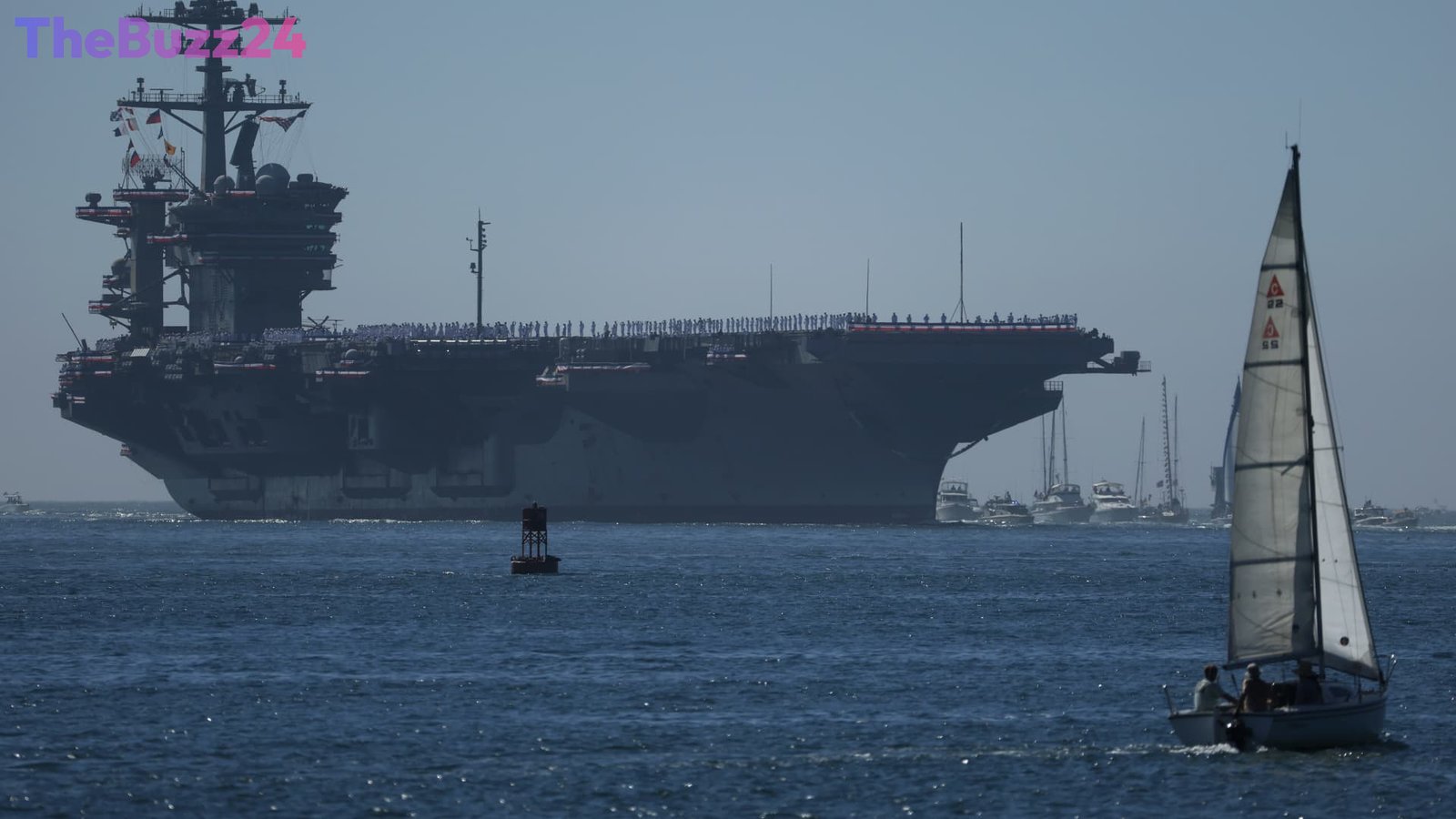
Tehran is reportedly “counting the moments” until it can engage and sink American warships, according to statements attributed to Ali Ozmaei, chief of Iran’s Islamic Revolutionary Guard Corps (IRGC). These remarks, broadcast by Iranian state-affiliated media, signal a significant escalation in rhetoric between Iran and the United States. Ozmaei allegedly stated in a televised interview that Iran eagerly awaits any U.S. naval vessels approaching the Strait of Hormuz, expressing impatience to sink them.
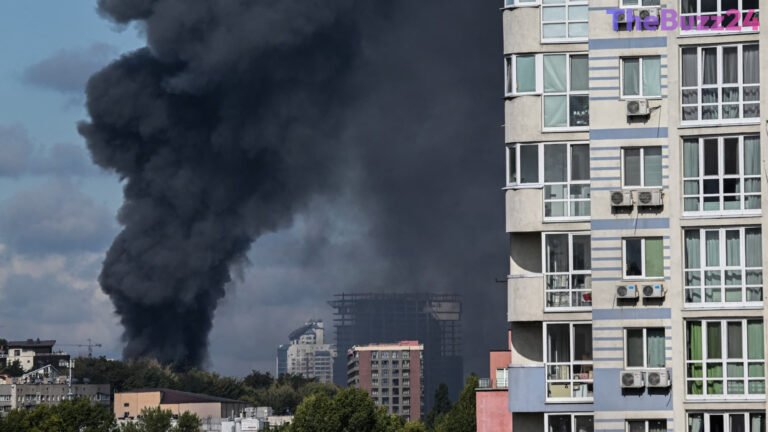
Adding to the regional instability, Saudi Aramco facilities were targeted overnight in an attack that caused a fire at an administrative building. While no injuries were reported at the Dhahran site, the incident underscores the growing threat from Houthi militants, who are backed by Iran. The Houthi group has intensified its attacks on Saudi targets in recent weeks, including deadly assaults on airports in the capital, Riyadh, which resulted in fatalities and significant disruptions to air travel.
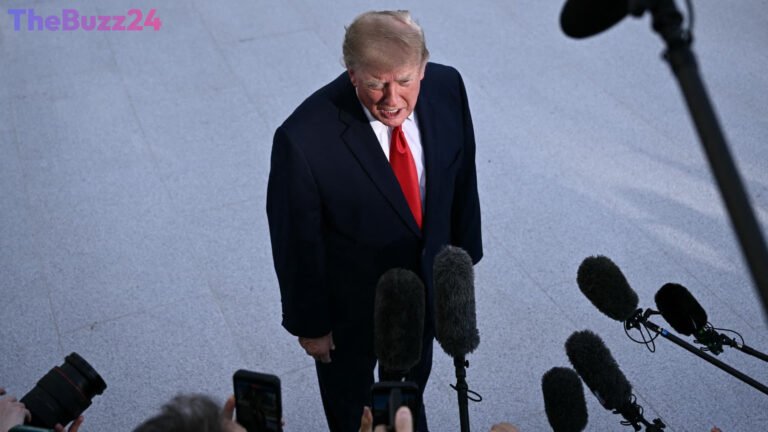
The escalating conflict in Yemen, now involving full-scale fighting between Houthi rebels and the internationally recognized government, is increasingly intertwined with the broader regional tensions between the U.S. and Iran. Reports suggest Iran has been bolstering defenses around its nuclear sites and has warned regional allies of retaliatory actions across the Middle East in response to any new U.S. strikes. This comes as U.S. President Donald Trump previously indicated that American forces would refrain from attacking Iran prior to the U.S. midterm elections.
Further complicating the situation, a cargo ship reportedly caught fire and sank in the Strait of Hormuz after striking a naval mine, though this report could not be independently verified. Separately, a container ship was allegedly struck by an unknown projectile. U.S. Central Command has refuted claims of Iranian control over the Strait of Hormuz, asserting that American forces and regional partners maintain control and facilitate significant oil shipments through the vital waterway.
Key Takeaways
- Iran's IRGC chief has issued a direct threat to sink U.S. warships in the Strait of Hormuz.
- Saudi Aramco facilities were attacked, with Iran-backed Houthi militants escalating their assaults on the kingdom.
- Regional tensions are high, with Iran reportedly preparing for potential U.S. strikes and reinforcing its defenses.
Editor’s Analysis & Impact
This confluence of events highlights a dangerous escalation in the Middle East. Iran’s aggressive rhetoric towards U.S. naval assets, coupled with the Houthi attacks on critical Saudi energy infrastructure, points to a widening proxy conflict. The Strait of Hormuz remains a critical chokepoint for global oil supply, and any disruption could have severe economic repercussions worldwide. The U.S. response, balancing deterrence with avoiding further escalation before domestic political events, will be crucial. The situation demands careful diplomatic maneuvering and a clear strategy to de-escalate tensions and ensure the stability of vital shipping lanes.
Frequently Asked Questions
Q: What is the Strait of Hormuz?
A: The Strait of Hormuz is a narrow waterway connecting the Persian Gulf and the Gulf of Oman. It is one of the world's most important oil transit points, with a significant portion of global oil supply passing through it.
Q: Who are the Houthi militants?
A: The Houthi movement is an armed and political organization, often described as a Yemeni rebel group, that emerged in the 1990s. They are supported by Iran and have been engaged in a civil war in Yemen against a Saudi-led coalition and the internationally recognized Yemeni government.
Q: What is the significance of Saudi Aramco?
A: Saudi Aramco is the state-owned oil company of Saudi Arabia and one of the largest companies in the world by revenue. It is a cornerstone of the Saudi economy and a major player in the global energy market.
AI Disclosure: This article is based on verified data and official reports. Our Team and AI have cross-referenced every financial detail with primary sources to ensure total accuracy.
More from this Category