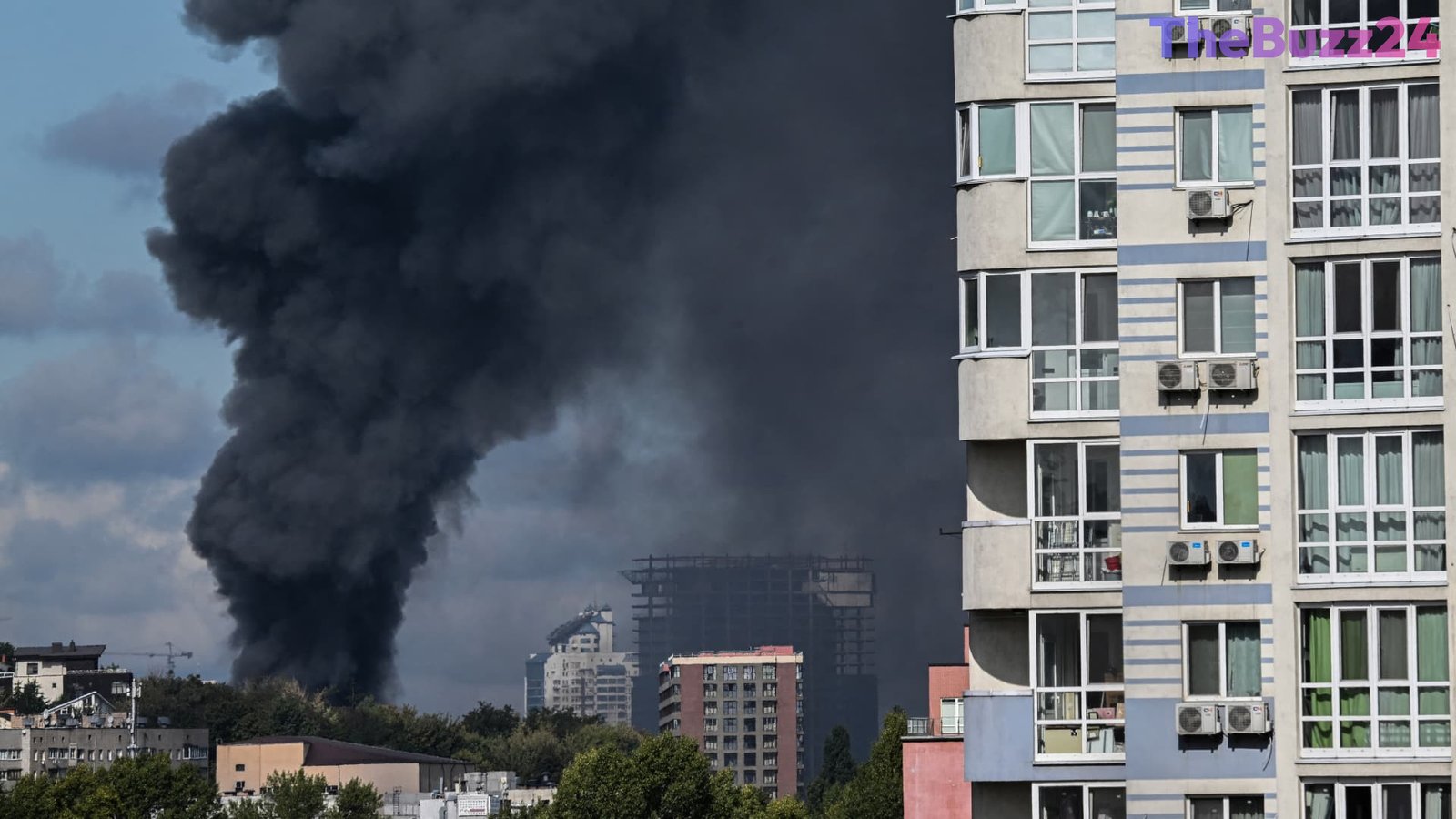
Starlink Restrictions Hamper Ukrainian Defense as Russian Airstrikes Target Energy Grids
Ukrainian military operations are facing severe disruptions following unexpected connectivity limits imposed on SpaceX’s Starlink satellite internet network. Defense technology advisers to President Volodymyr Zelenskyy reported that recent speed caps applied to terminals in motion have hindered critical tactical missions. This technical friction coincides with a dramatic escalation in Russian aerial assaults, which have left hundreds of thousands of residents across the Kyiv and Kharkiv regions without electricity.
The widespread blackouts follow a barrage of ballistic missile strikes that directly targeted the nation’s energy and oil infrastructure. President Zelenskyy condemned the scale of the destruction, noting that multiple energy and oil sector facilities sustained heavy damage. These aggressive maneuvers have cast immediate doubt on the viability of a newly proposed energy ceasefire brokered to curtail attacks on vital utility installations and stabilize regional fuel markets.
Adding to the strategic strain, Ukrainian leadership pointed out that critical early-warning indicators for incoming ballistic threats failed to transmit in time for the second consecutive week. Defense analysts and advisors attribute these intelligence gaps directly to the newly implemented throttling on military-grade Starlink packages. As tensions mount between shifting geopolitical strategies and technological dependencies on commercial space infrastructure, the Ukrainian government continues to seek urgent clarity and resolution from international partners.
Key Takeaways
- SpaceX has reportedly implemented unexpected speed limits on Starlink terminals used by Ukrainian defense forces.
- Over 600,000 people were left without power following extensive Russian missile strikes on Ukrainian energy infrastructure.
- Ukrainian officials report missing crucial early-warning alerts for ballistic missile attacks for the second time in a week.
Editor’s Analysis & Impact
The intersection of commercial satellite technology and modern geopolitical conflict highlights a major vulnerability for nations relying on private infrastructure during wartime. SpaceX’s Starlink has been a critical communications lifeline for Ukraine, yet its operational parameters remain entirely under the control of a private corporate entity influenced by broader international diplomacy and domestic political shifts. As governments attempt to negotiate energy ceasefires and navigate fragile alliances, the ability of foreign actors to throttle or modify military connectivity introduces immense unpredictability into tactical planning. Moving forward, defense agencies worldwide will likely reassess their heavy reliance on commercial low-Earth orbit constellations, accelerating efforts toward sovereign, resilient, and non-commercial military satellite networks to prevent similar operational bottlenecks.
Frequently Asked Questions
Q: How are Starlink limits affecting Ukrainian military operations?
A: Advisors report that speed caps placed on Starlink terminals in motion have disrupted communication and intelligence-gathering missions, complicating tactical responses on the front lines.
Q: What is the status of the energy ceasefire in Ukraine?
A: Despite a proposed energy ceasefire intended to stop attacks on power facilities and lower oil costs, recent massive missile strikes have heavily damaged energy infrastructure, calling the agreement's effectiveness into question.
Q: Why did Ukraine miss advance warnings for recent missile attacks?
A: Ukrainian defense officials suggest that recent restrictions and speed caps implemented on satellite communication networks have delayed or blocked timely intelligence sharing regarding incoming ballistic threats.
AI Disclosure: This article is based on verified data and official reports. Our Team and AI have cross-referenced every financial detail with primary sources to ensure total accuracy.
More from this Category