Economic Pressures Force Michigan Senate Candidate to Pivot Away From Party Alignment
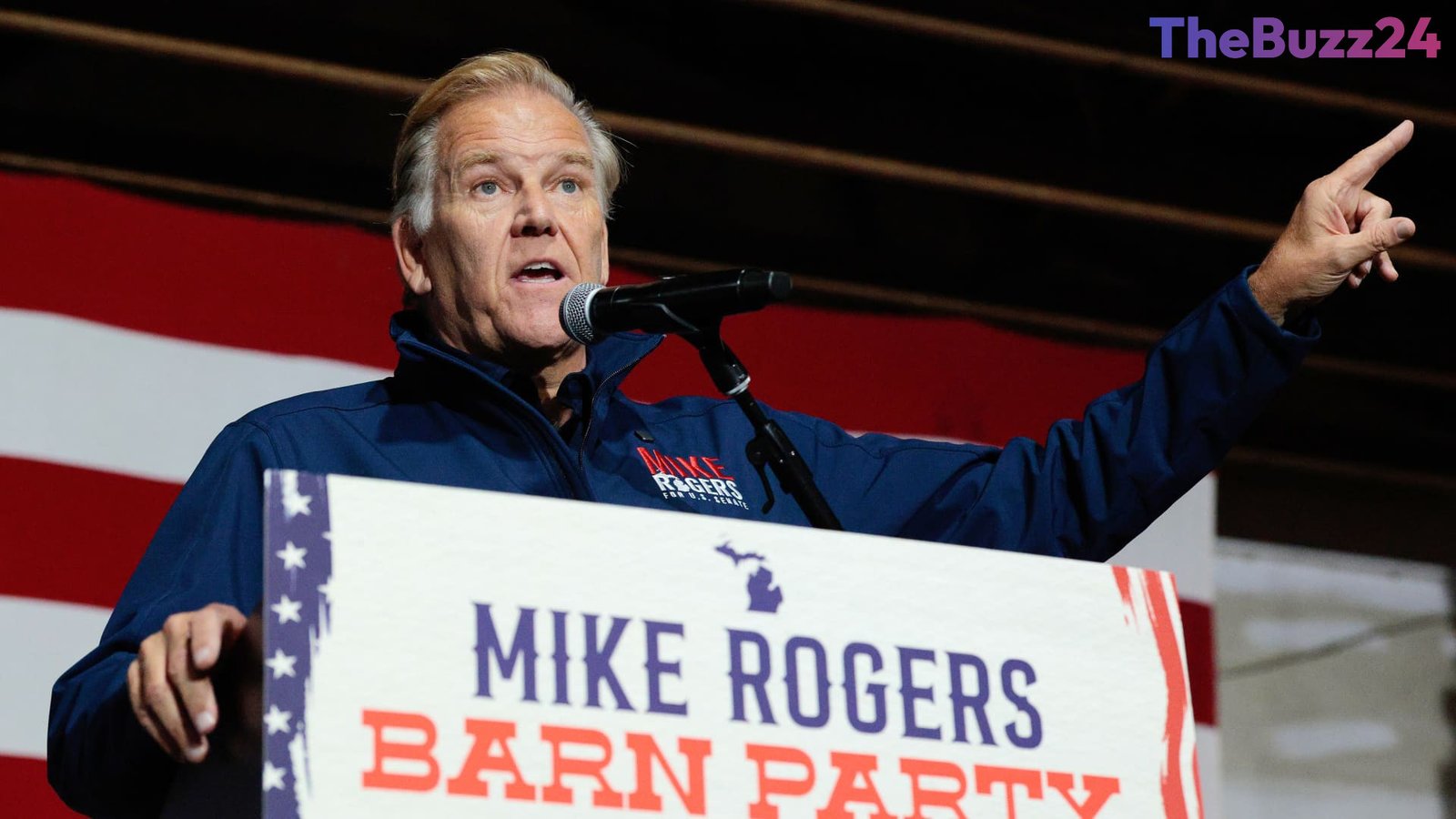
As the race for Michigan’s crucial Senate seat enters its final stretch, Republican nominee Mike Rogers is finding himself walking a precarious political tightrope. Facing a dead heat against Democratic opponent Abdul El-Sayed, Rogers has noticeably distanced his campaign from specific executive-level economic policies, particularly regarding international trade tariffs and foreign conflicts, as mounting financial pressures weigh heavily on local voters.
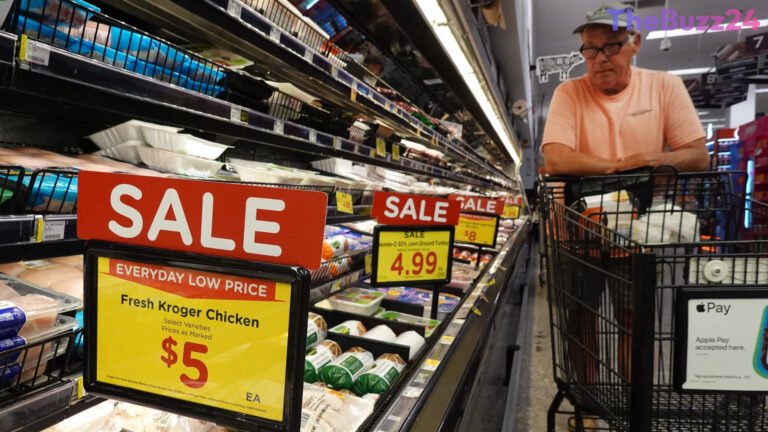
Recent advertising data highlights a significant shift in strategy among battleground Republicans. While candidates heavily leaned into alignment during the primary season, many are now omitting prominent party figures from their general election spots to better appeal to independent and swing voters. In Michigan, where local manufacturing, agriculture, and tourism heavily depend on cross-border commerce with Canada, broad duties and subsequent retaliatory measures have created severe economic friction. Industry groups report millions in added expenses for automakers and a notable drop in agricultural exports, while everyday households grapple with inflated costs for groceries, fuel, and daily necessities.
To counter these pocketbook vulnerabilities, Rogers has utilized recent campaign messaging to call for a de-escalation of trade disputes and an end to foreign entanglements that drive up energy prices. Concurrently, his campaign has sought to pivot the public discourse toward cultural issues, introducing targeted messaging concerning sports eligibility regulations. However, political analysts note that cultural grievances may struggle to overshadow deeply felt economic pain, leaving candidates across the political spectrum to carefully calibrate their messaging as election day approaches.
Key Takeaways
- Michigan Senate candidate Mike Rogers has adjusted his campaign messaging to distance himself from trade tariffs and foreign conflicts as economic pressures mount.
- Data indicates a sharp national decline in battleground Republican ads mentioning prominent party leadership compared to the primary phase.
- Voter anxiety regarding the cost of living, including rising fuel and agricultural expenses tied to international trade disputes, dominates the Michigan battleground.
Editor’s Analysis & Impact
The political dynamics observed in the Michigan Senate race underscore a broader vulnerability for candidates tethered to controversial macroeconomic policies in tight battleground regions. When voters experience direct financial squeezes at the pump and the grocery store, high-level trade disputes and foreign interventions quickly transform from abstract geopolitical stances into tangible liabilities. For campaigns attempting to retain committed party bases while courting crucial swing voters, navigating this friction requires a delicate balancing act. The increasing reliance on cultural wedge issues to shift the debate away from economic pain reflects a desperate bid to reshape the electorate’s focus, though historical precedence suggests that kitchen-table realities typically dictate the final outcome in economically sensitive states.
Frequently Asked Questions
Q: Why is cross-border trade particularly sensitive in Michigan?
A: Michigan's economy is deeply integrated with Canadian commerce, heavily impacting local automakers, agriculture, and manufacturing. Tariffs directly increase the cost of parts and goods moving across the border, which quickly translates to higher prices for consumers.
Q: How has campaign advertising changed for Republican candidates from the primaries to the general election?
A: Many battleground Republican candidates have significantly reduced direct references to national leadership and specific polarizing trade policies in their general election ads compared to the primary season to better appeal to independent voters.
Q: What issues are dominating voter concerns in the Michigan Senate race?
A: While candidates attempt to introduce cultural topics like sports regulations, polling indicates that the cost of living, inflation, fuel prices, and broader economic pocketbook issues remain top of mind for likely voters.
AI Disclosure: This article is based on verified data and official reports. Our Team and AI have cross-referenced every financial detail with primary sources to ensure total accuracy.
More from this Category