Global Oil Markets Face Volatility Amid Escalating Middle East Tensions
Global oil prices experienced upward pressure on Wednesday as market participants reacted to warnings from the International Energy Agency regarding long-term supply constraints. Brent crude futures rose to $106.46 per barrel, while U.S. West Texas Intermediate climbed to $95.30, reflecting heightened anxiety over the stability of energy infrastructure in the Middle East.
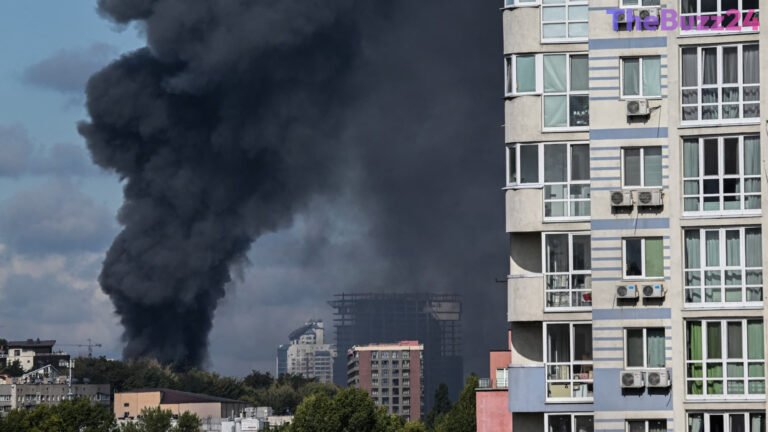
The market remains on edge following reports of an attack on a Saudi Aramco administrative facility in Dhahran. While no casualties were reported, the incident underscores the persistent threat posed by ongoing regional conflicts. This strike follows a series of aggressive actions involving Houthi forces and Saudi-led coalition responses, which have targeted energy terminals and fuel reserves in Yemen, further complicating the supply chain outlook.
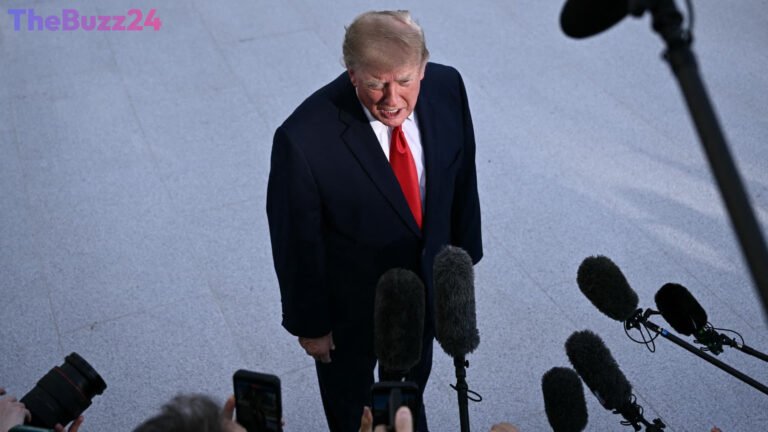
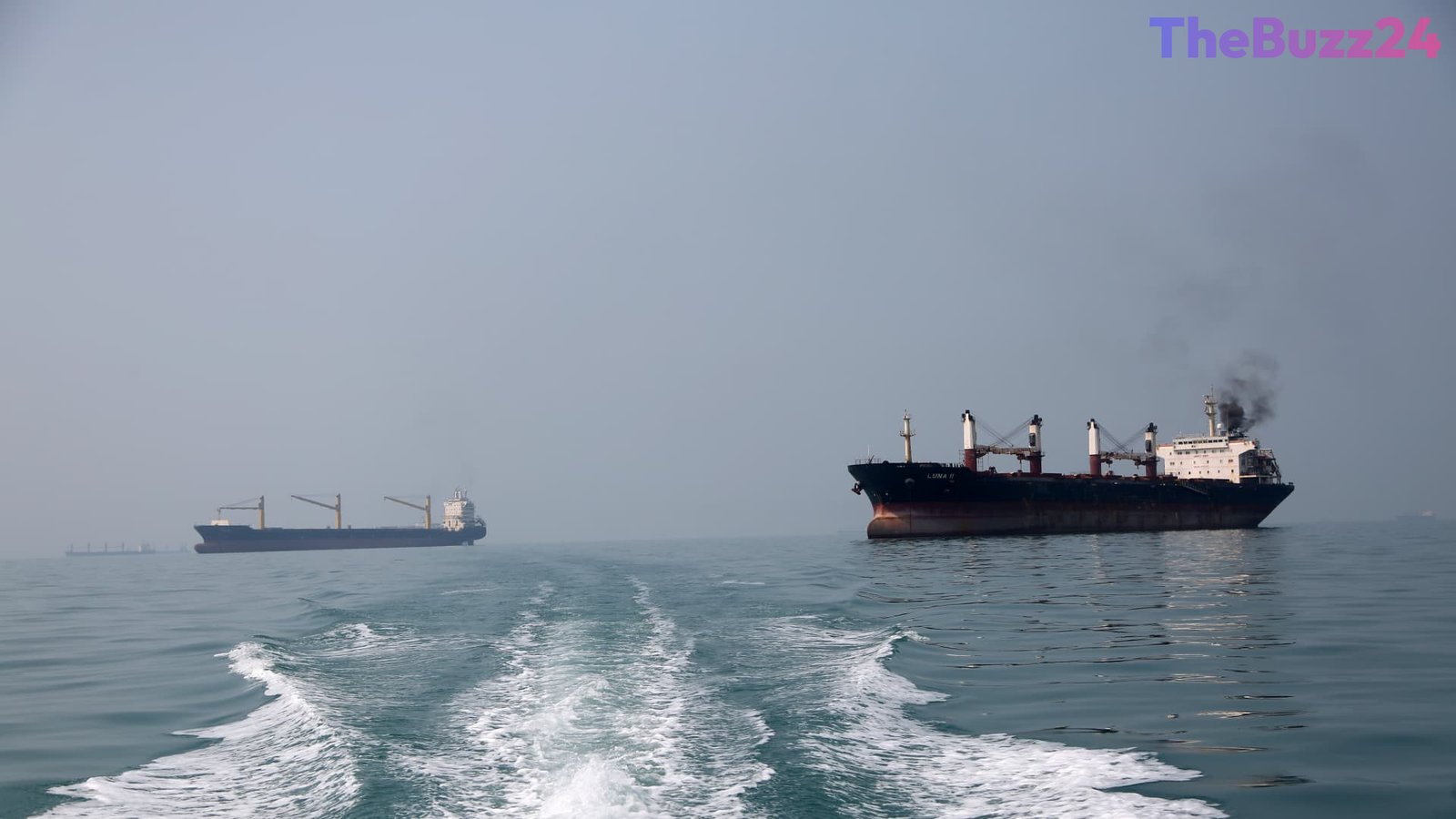
Beyond the immediate physical threats to infrastructure, geopolitical friction between the United States and Iran has intensified. U.S. Central Command recently dismissed claims from Iranian naval leadership regarding control over the Strait of Hormuz, asserting that American forces and their regional partners maintain dominance over the critical maritime chokepoint. These developments have prompted market experts, including prominent hedge fund manager Paul Tudor Jones, to forecast potential further rallies in oil prices, citing the risk of prolonged conflict as a primary driver for bullish sentiment.
Key Takeaways
- Oil prices rose as the IEA warned that diesel market constraints could persist through 2027.
- Saudi Aramco facilities in Dhahran were targeted in an overnight attack, adding to regional supply concerns.
- U.S. Central Command reaffirmed its control over the Strait of Hormuz, countering recent claims made by Iranian naval officials.
Editor’s Analysis & Impact
The current volatility in the oil market is a direct reflection of the ‘geopolitical risk premium’ being priced into energy commodities. The combination of structural supply constraints, as highlighted by the IEA, and the physical vulnerability of critical infrastructure in Saudi Arabia creates a precarious environment for global energy security. Investors are increasingly concerned that the conflict in the Middle East is entering a phase where diplomatic solutions are unlikely in the near term, potentially keeping prices elevated. If tensions in the Strait of Hormuz continue to escalate, the impact on global shipping and energy logistics could be severe, leading to significant inflationary pressure. Market participants should prepare for continued price swings as the interplay between regional military posturing and global supply-demand fundamentals remains highly unpredictable.
Frequently Asked Questions
Q: Why are oil prices currently rising?
A: Oil prices are rising due to a combination of long-term supply constraints identified by the IEA and increased geopolitical instability, specifically attacks on Saudi energy infrastructure and tensions in the Strait of Hormuz.
Q: What is the significance of the Strait of Hormuz in this context?
A: The Strait of Hormuz is a vital maritime chokepoint for global oil shipments. Disputes over control of this passage between the U.S. and Iran create significant uncertainty for global energy markets.
AI Disclosure: This article is based on verified data and official reports. Our Team and AI have cross-referenced every financial detail with primary sources to ensure total accuracy.
More from this Category