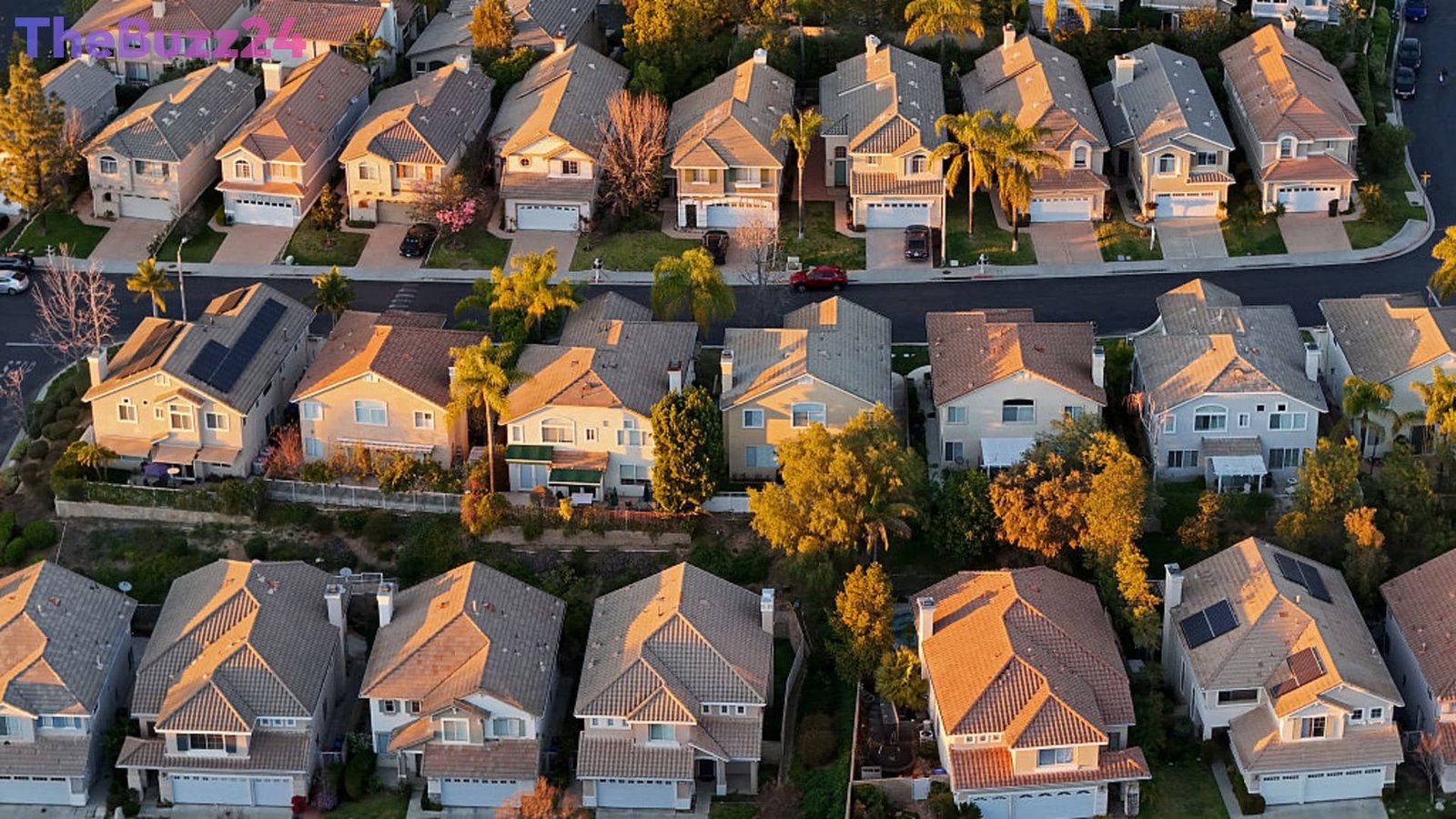
Borrowers Embrace Riskier Mortgages as Affordability Plummets Amid Rising Rates
Homebuyers are increasingly turning to riskier mortgage options as the persistent rise in interest rates continues to erode affordability. The average rate for a 30-year fixed-rate mortgage with a conforming loan balance has climbed to 7.50%, a slight increase from the previous week’s 7.49%, marking a significant jump from a year ago. This challenging rate environment has led to a substantial decline in overall mortgage application volume, which is down 37.5% compared to the same period last year.
In response to the escalating costs, borrowers are gravitating towards adjustable-rate mortgages (ARMs). The share of ARMs in the market has reached its highest point since October 2025, indicating a strategic shift by consumers to secure lower initial monthly payments. While ARMs can offer a period of fixed, lower interest rates, often up to 10 years, they carry inherent risk as rates are subject to adjustment based on future market conditions, potentially leading to higher payments down the line.
The refinance market has been particularly hard-hit, with application volume plummeting by 56% year-over-year. A shrinking number of homeowners can find financial benefit in refinancing under current rate conditions. Purchase mortgage applications have also seen a notable decrease, falling 4% weekly and 16% annually. Despite an increase in available homes, primarily at the higher end of the market, and a slight uptick in closed home sales in September, these figures reflect market conditions from earlier in the summer when rates were more favorable. Current rate hikes are making it increasingly difficult for prospective buyers to qualify for home purchases.
Key Takeaways
- Mortgage rates have reached near three-year highs, impacting overall demand for home loans.
- Borrowers are increasingly opting for riskier adjustable-rate mortgages (ARMs) to manage higher initial monthly payments.
- Both refinance and purchase mortgage applications have seen significant year-over-year declines due to affordability challenges.
Editor’s Analysis & Impact
The current mortgage market landscape highlights a critical affordability crisis driven by elevated interest rates. The shift towards ARMs, while offering short-term relief, introduces long-term financial risk for borrowers and could contribute to future market instability if rates continue to rise. The sharp decline in both refinance and purchase applications signals a cooling housing market, potentially impacting home sales volumes and prices. This trend underscores the sensitivity of the housing sector to monetary policy and the ongoing struggle for many Americans to achieve homeownership.
Frequently Asked Questions
Q: What is an adjustable-rate mortgage (ARM)?
A: An adjustable-rate mortgage (ARM) is a type of home loan where the interest rate is fixed for an initial period, and then it adjusts periodically based on market interest rates. ARMs typically offer a lower initial interest rate compared to fixed-rate mortgages, but the monthly payments can increase if interest rates rise after the fixed period ends.
Q: Why are borrowers choosing riskier mortgages?
A: Borrowers are choosing riskier mortgages, such as ARMs, primarily to cope with the current high interest rates on traditional fixed-rate mortgages. The lower initial payments offered by ARMs make homeownership more accessible or manageable in the short term, despite the potential for future payment increases.
Q: How have rising interest rates affected the housing market?
A: Rising interest rates have significantly reduced housing affordability, leading to a decrease in overall mortgage application volume. Both refinancing and purchasing a home have become more challenging, with fewer borrowers able to qualify for loans or find financial benefits in refinancing.
AI Disclosure: This article is based on verified data and official reports. Our Team and AI have cross-referenced every financial detail with primary sources to ensure total accuracy.
More from this Category