NASA Unveils Groundbreaking Solid-State Batteries for Extreme Lunar Environments
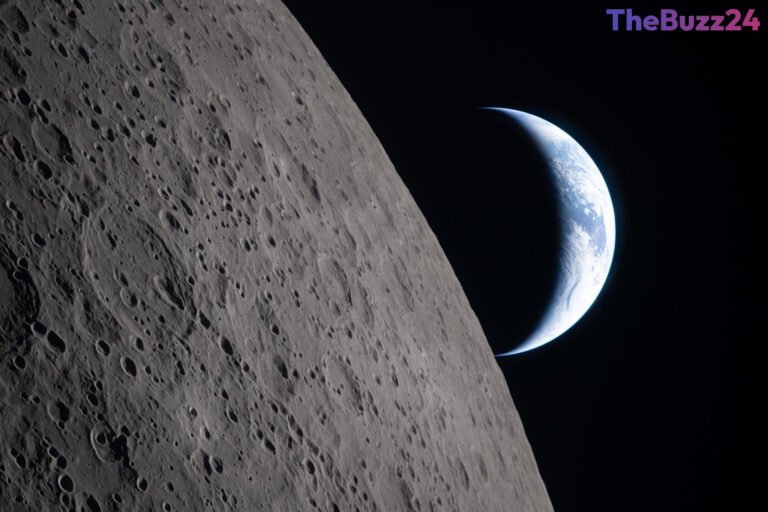
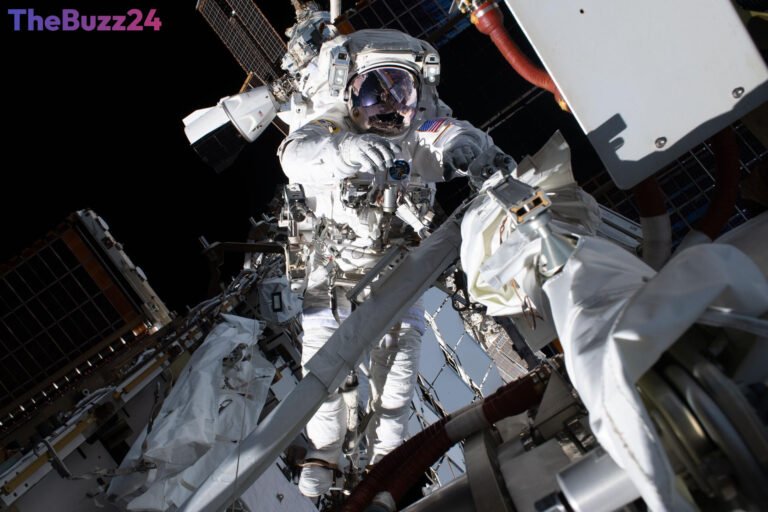
As space agencies look toward establishing a permanent human presence on the Moon, engineers face a formidable challenge: powering equipment in the brutal cold of the lunar South Pole, where temperatures plummet to minus 328 degrees Fahrenheit. Traditional lithium-ion batteries rely on liquid electrolytes that freeze, boil away in a vacuum, or fail entirely under such extreme thermal swings. To overcome this obstacle, researchers have developed an innovative solution designed to withstand the harshest conditions imaginable.
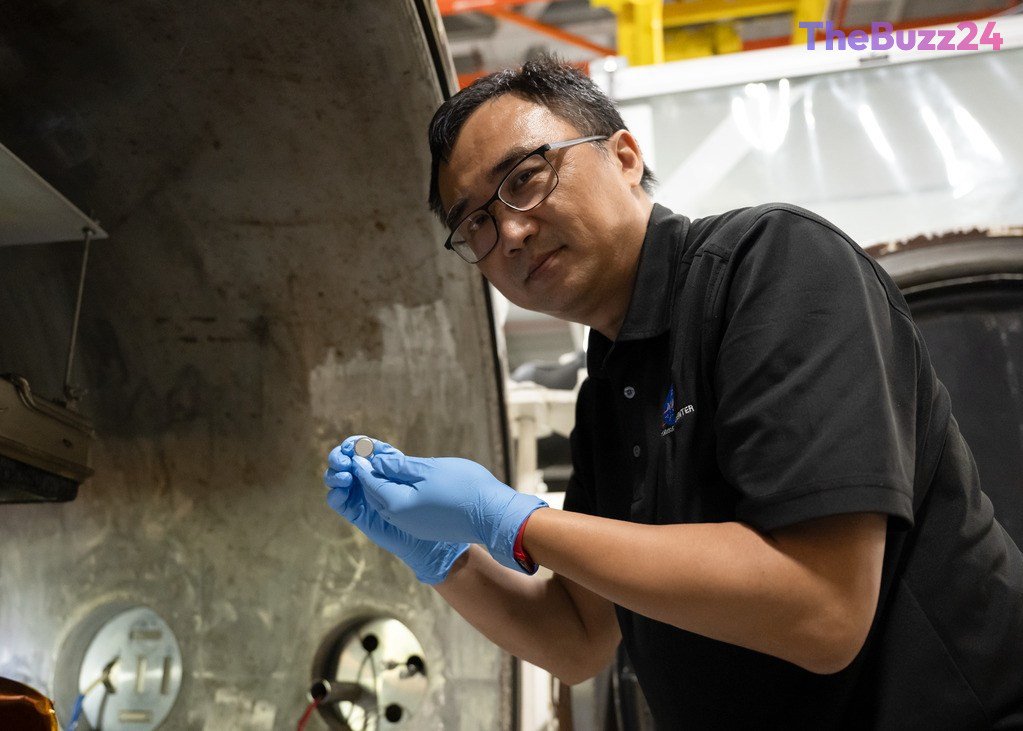
The initiative, known as the Solid Power for Extreme Environment Adaptability and Resilience in Space (SPEARS) project, replaces conventional liquid components with solid ceramic- or polymer-based materials. Recent thermal vacuum testing has demonstrated that these advanced prototype cells can successfully operate in temperatures ranging from minus 112 degrees Fahrenheit up to 176 degrees Fahrenheit. Crucially, while the batteries cannot discharge while completely frozen at minus 274 degrees Fahrenheit, they survive the deep freeze without structural damage and resume full functionality once warmed by small internal heaters.
This breakthrough significantly reduces the need for heavy, complex thermal management systems in spacecraft and lunar habitats, paving the way for lighter mission designs and extended operational lifespans. Because the solid electrolyte chemistry can be customized, the technology is versatile enough to power everything from astronauts’ emergency life-support packs and drills in permanently shadowed craters to long-duration scientific instruments.
Beyond space exploration, the innovations born from the SPEARS project hold immense potential for terrestrial markets. Industry experts suggest that the adaptable nature of these solid-state batteries could eventually revolutionize consumer electronics, electric vehicles, and portable power supplies on Earth, bridging the gap between deep-space engineering and everyday technological applications.
Key Takeaways
- NASA's SPEARS project has developed solid-state batteries that eliminate vulnerable liquid electrolytes to survive extreme lunar temperatures.
- Recent vacuum testing proved the prototype batteries can operate down to minus 112 degrees Fahrenheit and endure deep-freeze conditions without structural damage.
- The adaptable solid-state technology could eventually transition to terrestrial markets, benefiting electric vehicles, drones, and everyday consumer electronics.
Editor’s Analysis & Impact
The development of robust solid-state batteries capable of enduring extreme thermal environments marks a significant milestone not only for aerospace engineering but also for the broader energy storage sector. Traditional lithium-ion limitations have long hindered long-term deployments in extreme cold or heat, necessitating heavy insulation and heating systems. By engineering a solid-state architecture that survives deep freezes and operates reliably under duress, researchers have addressed the core vulnerabilities of portable power. If successfully scaled for commercial use, this technology could accelerate the transition to safer, higher-density batteries for electric vehicles and consumer devices, reshaping the global energy storage landscape over the next decade.
Frequently Asked Questions
Q: Why do traditional batteries fail on the Moon?
A: Traditional lithium-ion batteries rely on liquid electrolytes. In the extreme cold of the lunar night, this liquid freezes and damages the battery, while the vacuum of space can cause it to evaporate.
Q: How do SPEARS batteries solve the temperature problem?
A: SPEARS batteries replace liquid electrolytes with solid ceramic- or polymer-based materials. They do not freeze or evaporate, and they can be safely warmed up from extreme cold using small, lightweight internal heaters.
Q: Can this battery technology be used on Earth?
A: Yes, researchers believe the versatile chemistry of these solid-state batteries can eventually be adapted for terrestrial applications, including electric vehicles, drones, smartphones, and other portable power supplies.
AI Disclosure: This article is based on verified data and official reports. Our Team and AI have cross-referenced every financial detail with primary sources to ensure total accuracy.
More from this Category