U.S. Electric Vehicle Market Rebounds Following Months of Slump
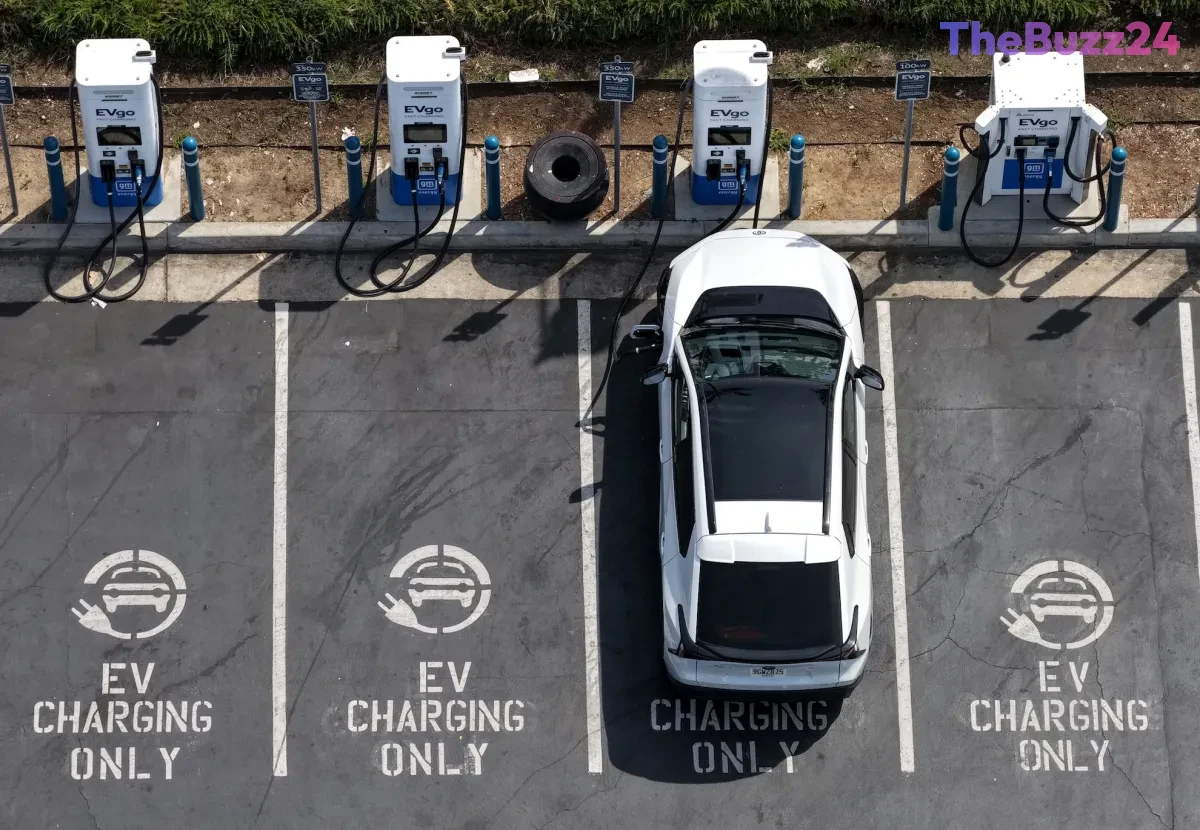
The American electric vehicle sector is demonstrating a resilient comeback after facing a steep downturn triggered by the expiration of government tax credits last year. Recent industry data reveals that EV sales have now expanded for three consecutive quarters, signaling a steady stabilization across the domestic automotive market. Electric vehicles successfully claimed 6.1 percent of the total U.S. market share, marking the highest performance recorded since the third quarter of 2025. Market experts attribute this renewed momentum to increasingly competitive pricing strategies and persistently high gasoline prices, which continue to drive consumer interest toward battery-powered transportation.
Several legacy automakers and newer market entrants have capitalized on this shifting landscape, with Toyota, Rivian, and Subaru spearheading the recent growth. Notably, sales for models such as the Toyota bZ and Lexus RZ surged significantly following recent vehicle refreshes. These updated models incorporated highly sought-after features, including Tesla-compatible charging ports, enhanced battery capacities, stronger electric motors, and substantially faster charging capabilities. Conversely, market pioneer Tesla experienced a 20-percent decline in year-over-year sales, though the company maintains its dominant market position by capturing over half of all U.S. EV purchases during the latest quarter.
This domestic recovery closely mirrors international trends, particularly the trajectory observed in Germany after policymakers abruptly terminated consumer purchasing incentives. Following an immediate and sharp contraction in sales, the German EV market gradually rebuilt its momentum, eventually reaching near-record monthly sales volumes. Industry analysts believe these parallel recoveries demonstrate the underlying maturation of the global electric vehicle market, proving that consumer adoption can weather the removal of direct government subsidies as technology improves and pricing becomes more accessible.
Key Takeaways
- U.S. electric vehicle sales have grown for three consecutive quarters, capturing 6.1% of the market share.
- Major brands like Toyota, Rivian, and Subaru drove growth through vehicle upgrades and improved charging compatibility.
- Despite a 20% year-over-year sales drop, Tesla still accounts for over half of all U.S. EV sales.
Editor’s Analysis & Impact
The steady recovery of the U.S. electric vehicle market, despite the prior removal of government tax credits, highlights a maturing industry that is increasingly driven by organic consumer demand rather than artificial policy incentives. As automakers improve vehicle specifications—such as integrating standardized charging ports and extending battery ranges—consumer confidence is visibly rebounding. Furthermore, high conventional fuel costs act as a natural catalyst for EV adoption. While Tesla remains the dominant market leader, the surging performance of competitors like Toyota and Rivian indicates a diversifying landscape. This trend suggests that future growth will depend heavily on technological refinement, price competitiveness, and infrastructure expansion rather than reliance on federal subsidies, positioning the sector for more sustainable, long-term economic viability.
Frequently Asked Questions
Q: What caused the initial drop in U.S. electric vehicle sales?
A: EV sales initially tanked following the cancellation of government tax credits for electric vehicle purchases.
Q: Which automakers led the recent growth in the U.S. EV market?
A: Toyota, Rivian, and Subaru led the recent surge, driven by successful vehicle refreshes and updated features.
Q: How does the U.S. EV recovery compare internationally?
A: The U.S. recovery mirrors Germany's market trajectory, where sales initially plummeted after incentives were removed but steadily rebounded over time.
AI Disclosure: This article is based on verified data and official reports. Our Team and AI have cross-referenced every financial detail with primary sources to ensure total accuracy.
More from this Category