CedarDB Aims to Unify Database Functions, Riding the AI Agent Wave
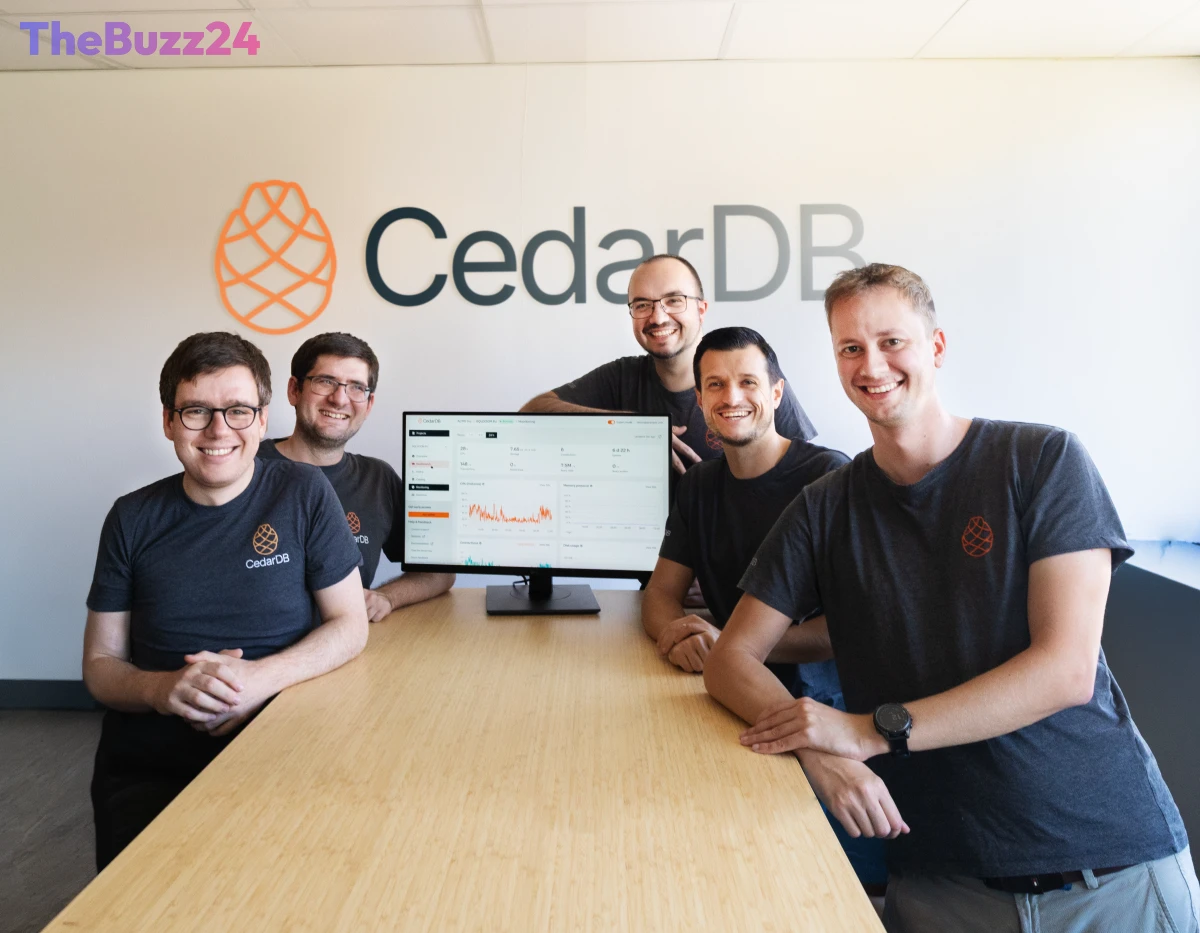
Munich-based startup CedarDB is challenging the traditional separation of database functions, proposing a single system capable of handling both transactional data and complex analytics. Historically, databases have been specialized: analytical databases excel at identifying trends and answering complex queries, while operational databases are designed for the high-volume, day-to-day recording of transactions like sales orders and payments. CedarDB’s innovative approach, which merges these capabilities, is gaining significant traction as the demand for agentic AI systems grows, according to co-founder and CEO Moritz Sichert.
The company’s development over the past decade has culminated in a solution that addresses a key pain point for many enterprises. While existing data stacks might be adept at storing vast amounts of historical transaction data, they often struggle to provide rapid, natural language-driven analytical insights. CedarDB’s architecture, stemming from the Technical University of Munich’s Umbra research project, is engineered for speed and efficiency. It leverages modern hardware to outperform legacy database engines without requiring substantial increases in processing power or memory.
A crucial aspect of CedarDB’s strategy is its compatibility with PostgreSQL, a widely adopted open-source database. This integration significantly lowers the barrier to adoption for businesses, as it minimizes the need for extensive application re-engineering. Furthermore, Sichert highlighted that this compatibility aligns with the data structures and logic that large language models (LLMs) are typically trained on, facilitating smoother interaction with AI agents.
CedarDB recently announced the limited availability of its cloud-hosted version, CedarDB Cloud, at TechCrunch Disrupt. This move is expected to broaden its appeal beyond large enterprises to a wider market. The company’s ambition to unify data processing capabilities mirrors trends seen in the broader data industry, with major players like Databricks also exploring integrated data architectures to support the burgeoning needs of the ‘agentic era’. CedarDB’s progress, supported by recent seed funding, positions it as a notable contender in the evolving database landscape.
Key Takeaways
- CedarDB offers a unified database solution capable of handling both transactional and analytical workloads, a departure from traditional specialized systems.
- The company's approach is gaining relevance with the rise of agentic AI, which requires efficient data processing for complex queries.
- CedarDB's compatibility with PostgreSQL and its efficient architecture aim to reduce switching costs for enterprises and enhance performance.
Editor’s Analysis & Impact
CedarDB’s push to consolidate transactional and analytical database functions into a single platform is a timely response to the evolving demands of AI-driven applications. As AI agents become more sophisticated, the need for databases that can swiftly process and analyze vast datasets in real-time becomes paramount. By focusing on efficiency and compatibility, CedarDB is positioning itself to capture a significant market share, particularly among businesses looking to streamline their data infrastructure. The company’s strategy directly challenges established players and highlights a growing industry trend towards unified data architectures, suggesting a future where data silos are increasingly dismantled to empower advanced AI capabilities.
Frequently Asked Questions
Q: What is the main problem CedarDB aims to solve?
A: CedarDB aims to solve the traditional separation of databases into two types: analytical (for insights) and operational (for transactions). It offers a single database engine that can efficiently handle both, simplifying data infrastructure for businesses.
Q: How does CedarDB's compatibility with PostgreSQL benefit users?
A: Compatibility with PostgreSQL reduces migration costs and complexity for users, as they don't need to rebuild their existing applications. It also aligns with the data structures familiar to LLMs, facilitating AI integration.
Q: What is the significance of CedarDB's cloud offering?
A: The limited availability of CedarDB Cloud aims to expand the company's reach beyond large enterprises to a broader user base, making its unified database solution more accessible.
AI Disclosure: This article is based on verified data and official reports. Our Team and AI have cross-referenced every financial detail with primary sources to ensure total accuracy.
More from this Category