AI-Powered Hacks Transform Smart TVs, Eliminating Ads and Bloatware
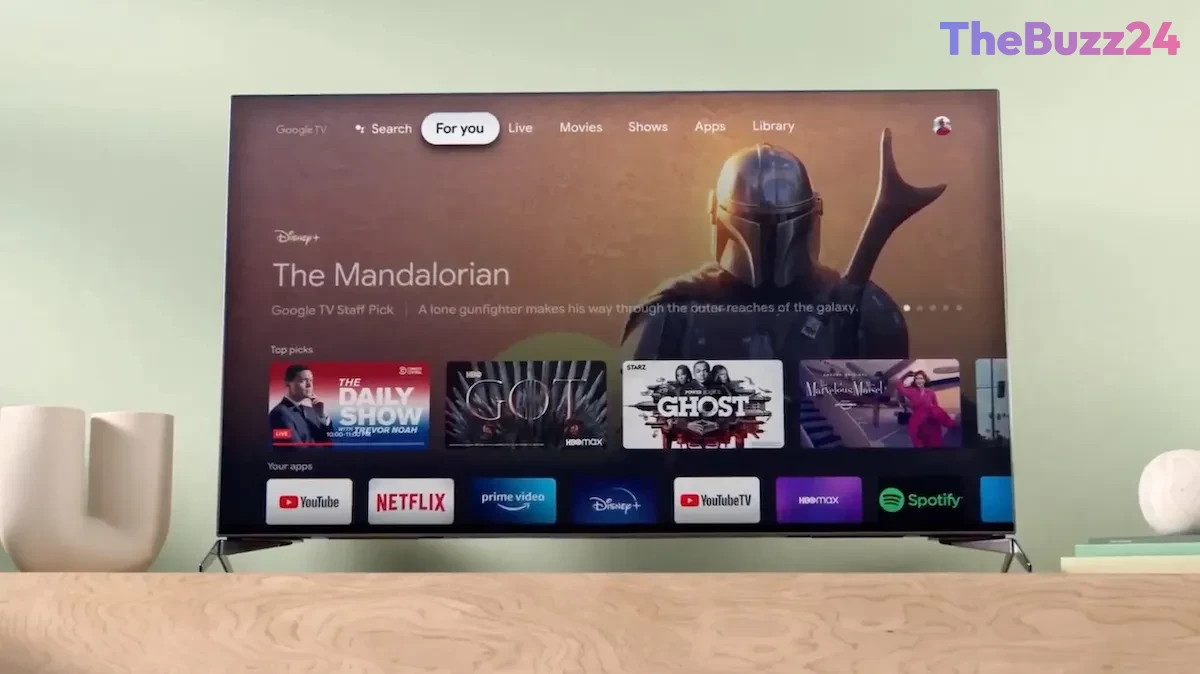
A burgeoning trend sees consumers leveraging artificial intelligence to strip down their smart televisions, effectively ridding them of intrusive advertisements, pre-installed bloatware, and privacy-encroaching tracking features. This movement is driven by a growing frustration with the current smart TV experience, which often prioritizes monetization through ads and data collection over user experience.
Developers are actively sharing AI-driven solutions designed to streamline smart TV interfaces. Projects like “dumbtv” explicitly state their mission: to ensure a TV only performs its core functions – running apps and managing HDMI inputs – without unsolicited ads or watch tracking. Similarly, “cleanyourtv” promises to remove bloatware from Android TV and Google TV devices over Wi-Fi, offering an alternative launcher that mirrors the clean aesthetic of Apple TV. These innovations make advanced customization more accessible to the average user, moving beyond the realm of traditional tech enthusiasts.
Real-world applications are quickly gaining traction. Gathin T., the creator of “cleanyourtv,” was inspired to develop his solution after encountering excessive ads on his parents’ TV. He utilized an AI agent, Claude Code, to clean up the device and build a custom home screen. Muzammil Yasin Sabuwala, the developer behind “dumbtv,” was similarly motivated by ad fatigue, coding his solution with AI models like Deepseek V4.1 Flash and Claude Opus 5.5. Social media platforms are abuzz with users like Ryan Doyle and Mihir Gupta sharing their successes, demonstrating how AI agents can guide them through the process of optimizing their TVs, leading to faster interfaces and personalized settings.
However, these AI-powered solutions are still evolving and come with inherent risks. Users have reported mixed results, with some AI agents requiring complex prompts or even making errors that could disable important functions or, in rare cases, brick a device. While the promise of an ad-free, customized smart TV is compelling, caution is advised. For those hesitant to fully hack their devices with AI, established alternatives like home screen replacement apps such as ATV Launcher, Projectivity Launcher, and FLauncher offer customization options for Android-based smart TVs.
Key Takeaways
- AI tools are empowering users to remove ads, bloatware, and tracking features from smart TVs, creating a more streamlined and private viewing experience.
- Solutions like "dumbtv" and "cleanyourtv" are gaining popularity, offering customized, ad-free interfaces without requiring complex root access.
- While these AI-powered hacks provide significant user control, they are still under development and carry risks, including potential for errors or device malfunction.
Editor’s Analysis & Impact
The emergence of AI-powered tools to ‘dumb down’ smart TVs represents a significant challenge to the smart TV advertising industry. Manufacturers heavily rely on Automatic Content Recognition (ACR) and personalized ads for revenue beyond hardware sales. If these user-driven hacks become widespread, it could force a re-evaluation of current monetization strategies, potentially leading to more consumer-friendly business models or premium ad-free options. This trend highlights a growing tension between corporate data collection and user privacy, with AI acting as an equalizer, empowering individuals to reclaim control over their devices. The broader implication is a potential shift in consumer expectations across all smart home devices, demanding greater transparency and customization.
Frequently Asked Questions
Q: What are 'dumb TV' hacks?
A: 'Dumb TV' hacks refer to methods, often assisted by AI, that remove unwanted features like ads, bloatware, and tracking from smart TVs, aiming to restore a simpler, more private user experience focused solely on content consumption.
Q: Are these AI-powered TV hacks safe to use?
A: While many solutions are designed not to require root access and allow for factory resets, they are still works in progress. Users should proceed with caution, as there is a risk of errors, disabling important functions, or in rare cases, potentially bricking the device.
Q: How do smart TV manufacturers typically monetize their devices?
A: Beyond the initial sale, smart TV manufacturers often generate revenue by selling user viewing data to advertisers or by displaying personalized ads directly on the TV's interface. This is frequently facilitated by Automatic Content Recognition (ACR) technology, which identifies on-screen content.
AI Disclosure: This article is based on verified data and official reports. Our Team and AI have cross-referenced every financial detail with primary sources to ensure total accuracy.
More from this Category