El Niño’s Global Grip: Wildfires, Supercharged Storms, and Droughts Intensify Worldwide
The strengthening El Niño phenomenon is reshaping global weather patterns, triggering a cascade of extreme events across continents. From devastating wildfires in Indonesia to an explosion of hurricane activity in the Eastern Pacific and concerning drought conditions in India, the impacts are widespread and intensifying.
The World Meteorological Organization has indicated that the current El Niño, already record-breaking, is expected to persist and potentially strengthen further, with projections suggesting its influence could last until at least 2027. This prolonged period of altered weather systems is exacerbating existing vulnerabilities and creating new challenges for communities worldwide.
Indonesia is currently grappling with its most severe wildfire season since 2015. The blazes have consumed nearly a million hectares of land, more than double the area affected last year. The resulting toxic haze has led to school closures and a significant rise in respiratory illnesses, particularly among young children. Meanwhile, the Eastern Pacific is experiencing an unusually active hurricane season, with an abundance of major hurricanes fueled by warmer ocean temperatures and favorable atmospheric conditions. This surge in storm activity contrasts sharply with a remarkably quiet Atlantic hurricane season, where increased wind shear, a characteristic of El Niño, has suppressed storm development.
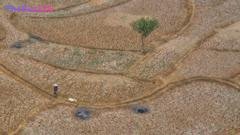
In India, agricultural sectors are facing significant stress due to a monsoon rainfall deficit of 13% below average. While some regions experienced near-normal rainfall, others, particularly in the east, north-east, and southern states, are facing exceptional drought conditions. The erratic nature of the rainfall, marked by prolonged dry spells interspersed with intense downpours, further jeopardizes crop yields. Further west, East China and Japan are contending with powerful typhoons, a consequence of altered wind patterns and warmer Pacific waters that allow storms to intensify before making landfall. Scientists anticipate the likelihood of additional typhoons impacting these regions.
Key Takeaways
- El Niño is causing extreme weather events globally, including wildfires, droughts, and intensified hurricane seasons.
- Indonesia is experiencing its worst wildfire season in years, leading to health crises, while the Eastern Pacific sees a surge in hurricane activity.
- India's agriculture is threatened by reduced monsoon rainfall, and East Asia faces powerful typhoons due to altered weather patterns.
Editor’s Analysis & Impact
The escalating impacts of El Niño underscore the growing vulnerability of global systems to climate variability. The phenomenon’s ability to supercharge extreme weather events poses significant risks to agriculture, infrastructure, and public health, with potential ripple effects on global supply chains and economies. Industries reliant on stable weather patterns, such as agriculture and insurance, will likely face increased volatility. The prolonged forecast for El Niño’s persistence suggests that adaptation and mitigation strategies will be crucial for resilience in the coming years. This event highlights the interconnectedness of global weather systems and the urgent need for coordinated international efforts to address climate change.
Frequently Asked Questions
Q: What is El Niño?
A: El Niño is a climate pattern characterized by the unusual warming of surface waters in the eastern tropical Pacific Ocean. It occurs irregularly, typically every two to seven years, and can last for several months to a couple of years. El Niño significantly influences weather patterns across the globe, leading to a wide range of climatic anomalies.
Q: How does El Niño affect hurricane seasons?
A: El Niño typically leads to increased hurricane activity in the Eastern Pacific due to warmer ocean temperatures and reduced wind shear, which allows storms to form and strengthen more easily. Conversely, it often suppresses hurricane development in the Atlantic by increasing wind shear, which can tear developing storms apart.
Q: What are the economic impacts of El Niño-related weather events?
A: El Niño can have substantial economic consequences. Droughts can devastate agricultural yields, leading to food shortages and price increases. Floods and storms can cause widespread damage to infrastructure, disrupt trade and transportation, and increase insurance claims. These events can also strain public resources for disaster relief and recovery efforts.
AI Disclosure: This article is based on verified data and official reports. Our Team and AI have cross-referenced every financial detail with primary sources to ensure total accuracy.
More from this Category