Ukrainian Forces Claim World-First Drone Airlift of Wounded Soldier from Front Line
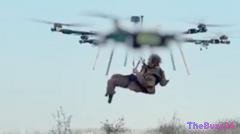
The Ukrainian military has announced a significant advancement in battlefield medical evacuation, releasing footage of what it describes as the world’s first drone airlift of a wounded soldier directly from the front line. This innovative operation marks a potential turning point in combat casualty care, leveraging unmanned aerial technology to save lives in perilous conditions.
According to the 92nd Assault Brigade, the decision to deploy a drone for the rescue was made due to the extreme hazards present at the scene. A traditional ground rescue mission was deemed impossible because the injured serviceman was surrounded by an active minefield, compounded by intense Russian drone activity in the vicinity, which posed a severe threat to human rescuers.
A specialized “heavy” hexacopter, operated remotely, was utilized for the complex mission. Despite the challenging environment and the critical nature of the task, the drone reportedly maintained remarkable stability throughout the operation. This successful deployment underscores the growing sophistication and versatility of drone technology in modern warfare, extending beyond reconnaissance and attack roles to critical logistical and humanitarian functions. The incident highlights Ukraine’s ongoing efforts to adapt and innovate in the face of sustained conflict.
Key Takeaways
- Ukraine's military claims to have conducted the first-ever drone airlift of a wounded soldier from a combat zone.
- The rescue was critical due to the presence of landmines and high Russian drone activity, making ground evacuation too dangerous.
- A "heavy" hexacopter, piloted remotely, successfully maintained stability during the challenging operation.
Editor’s Analysis & Impact
This pioneering drone evacuation by Ukrainian forces represents a significant leap in military medical logistics and battlefield technology. It signals a potential paradigm shift in how casualties are retrieved from high-risk combat zones, drastically reducing the danger to human rescue teams. For the defense industry, this success will likely accelerate research and development into more robust, autonomous, and specialized medical evacuation drones. The broader implications suggest that unmanned systems will increasingly take on roles traditionally performed by humans in hazardous environments, influencing future military doctrine and investment in drone capabilities. This innovation could ultimately lead to higher survival rates for soldiers wounded in inaccessible or heavily contested areas.
Frequently Asked Questions
Q: What made a drone rescue necessary in this situation?
A: A ground rescue was impossible due to the presence of landmines surrounding the wounded soldier and high Russian drone activity, which posed significant risks to human rescuers.
Q: What type of drone was used for the evacuation?
A: A "heavy" hexacopter, operated by a remote pilot, was deployed for the mission, chosen for its ability to maintain stability during the difficult operation.
Q: How significant is this event for military operations?
A: This event is highly significant as it demonstrates a new, safer method for casualty evacuation from dangerous front-line areas, potentially revolutionizing battlefield medical logistics and reducing risks to human rescue personnel in future conflicts.
AI Disclosure: This article is based on verified data and official reports. Our Team and AI have cross-referenced every financial detail with primary sources to ensure total accuracy.
More from this Category