India Unites in Grand Celebrations: Dussehra Symbolizes the Eternal Triumph of Good
Millions across India recently immersed themselves in the vibrant festivities of Dussehra, one of the nation’s most significant Hindu festivals. This annual observance, celebrated with immense fervor, universally symbolizes the profound victory of good over evil. Across diverse regions, the festival unfolds through a tapestry of elaborate processions, heartfelt prayers, and the dramatic ceremonial burning of colossal effigies, embodying the vanquishing of negative forces.
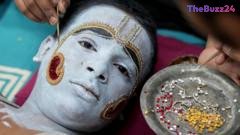
At its heart, Dussehra commemorates the legendary triumph of Lord Ram over the mythological ten-headed demon king Ravan, a narrative central to the Hindu epic Ramayana. In northern India, this story is brought to life through “Ramlila,” theatrical performances where actors don intricate costumes and makeup to reenact Lord Ram’s exile, his wife Sita’s abduction by Ravan, and the climactic battle. These performances culminate in the ritualistic burning of effigies representing Ravan, his brother Kumbhkaran, and son Meghnath, often set against a carnival-like backdrop of food stalls, rides, and smaller cultural shows.
Concurrently, in eastern, southern, and other parts of India, the festival aligns with Vijayadashami, a celebration dedicated to honoring Goddess Durga. Here, devotees commemorate her slaying of the buffalo demon Mahishasura, symbolizing the victory of divine feminine power. Cities and towns are adorned with temporary structures known as “pandals,” housing beautifully crafted idols of Goddess Durga and other deities. These pandals, particularly renowned in Kolkata, often incorporate contemporary themes into their traditional decorations, reflecting current affairs alongside ancient lore. Traditional dances, such as Gujarat’s Garba, also form a key part of community celebrations, further enriching the festive atmosphere.
Dussehra, observed on the tenth day following the nine-night Navratri festival, serves as a crucial cultural marker. It not only reinforces ancient spiritual narratives but also acts as a vibrant precursor to Diwali, the much-anticipated festival of lights, which follows approximately twenty days later. The widespread use of marigolds, symbolizing victory, further underscores the celebratory spirit that permeates homes and communities during this auspicious period.
Key Takeaways
- Dussehra is a major Hindu festival celebrated across India, symbolizing the universal triumph of good over evil.
- The festival commemorates Lord Ram's victory over Ravan and, in some regions, Goddess Durga's slaying of Mahishasura.
- Celebrations are diverse, featuring Ramlila theatrical performances, ceremonial burning of effigies, elaborate Durga Puja pandals, and traditional dances, all leading up to Diwali.
Editor’s Analysis & Impact
Dussehra’s widespread celebration underscores its deep cultural and spiritual significance in India, reinforcing community bonds and the transmission of ancient narratives across generations. While its direct economic impact is primarily localized, driving increased spending on festive goods, decorations, and local tourism, it indirectly supports artisans and small businesses. The festival’s ability to integrate contemporary themes into traditional celebrations, particularly seen in Durga Puja pandals, highlights its dynamic nature and resilience. Looking ahead, Dussehra will continue to be a cornerstone of India’s cultural calendar, evolving subtly with societal changes while steadfastly preserving its core message of righteousness prevailing over adversity, and serving as a vibrant prelude to the larger Diwali festivities.
Frequently Asked Questions
Q: What is Dussehra?
A: Dussehra is a significant Hindu festival celebrated across India, symbolizing the triumph of good over evil. It typically commemorates Lord Ram's victory over the demon king Ravan and, in some regions, Goddess Durga's slaying of the buffalo demon Mahishasura.
Q: How is Dussehra celebrated differently across India?
A: While the core theme remains consistent, celebrations vary regionally. Northern India often features "Ramlila" theatrical performances and the burning of effigies of Ravan. Eastern and southern parts observe Vijayadashami, focusing on Durga Puja with elaborate pandals and idol worship.
Q: What is the significance of burning effigies during Dussehra?
A: The ceremonial burning of giant effigies, primarily of the demon king Ravan, his brother Kumbhkaran, and son Meghnath, symbolizes the destruction of evil and the victory of righteousness. It's a powerful visual representation of the festival's central theme.
AI Disclosure: This article is based on verified data and official reports. Our Team and AI have cross-referenced every financial detail with primary sources to ensure total accuracy.
More from this Category