AI Capex Under Fire as Elice’s Volatile Debut Signals Mounting Skepticism Over Infrastructure Spending
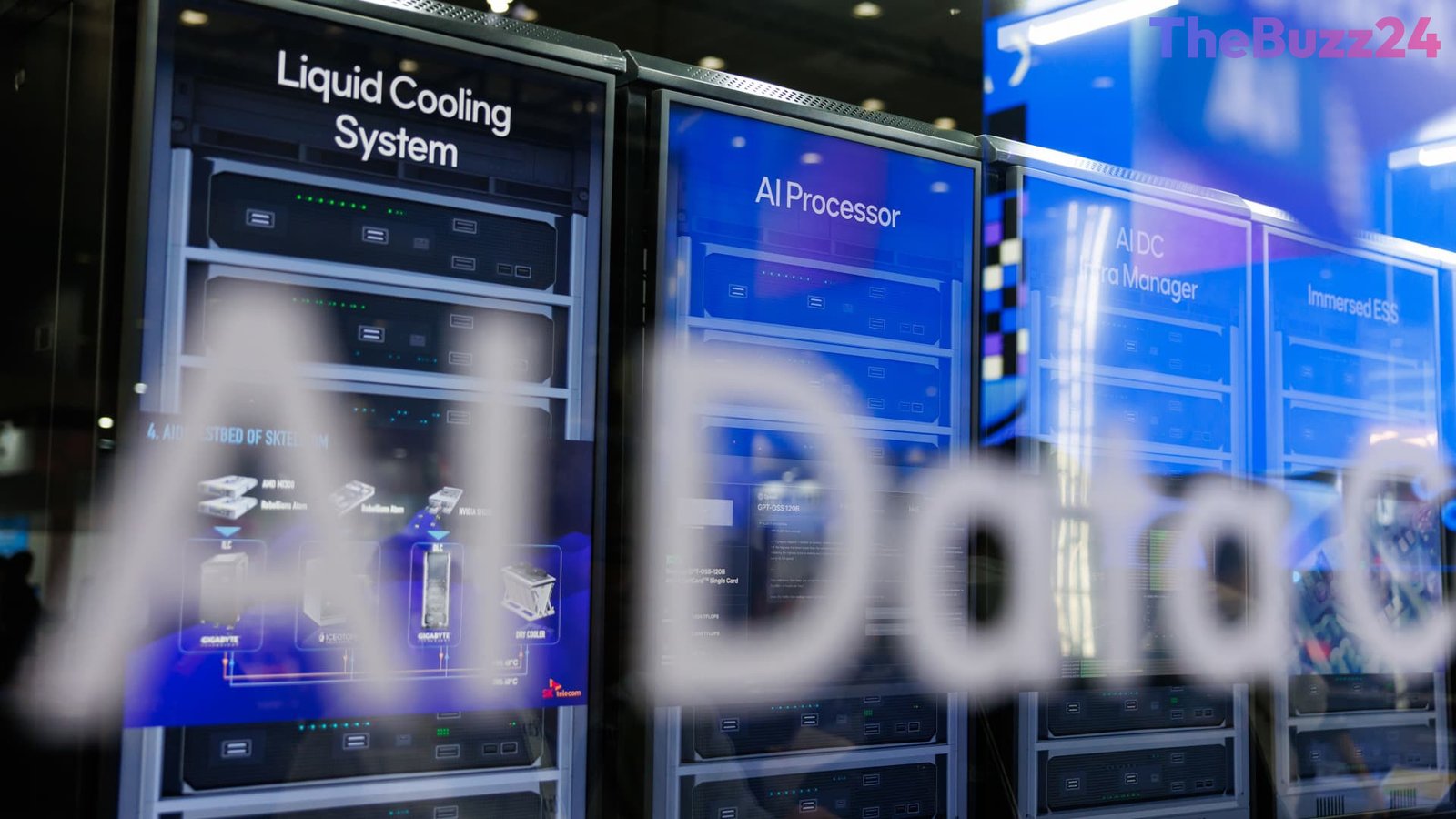
The aggressive capital expenditure driving the global artificial intelligence boom is facing intense scrutiny from financial markets, as investors increasingly question whether massive infrastructure spending can generate sustainable economic returns. A stark reminder of this shifting sentiment emerged with the volatile public market debut of Elice, a South Korean AI infrastructure and specialized cloud provider. Despite raising 201 billion won ($151 million) at the top of its expected range, Elice watched its shares crater by 32% on its initial trading day before staging a sharp 30% recovery the following session.
The wild price swings underscore a broader transition across the technology sector, where the market is no longer cheering simply on the announcement of ambitious expansion plans. Instead, high interest rates and climbing debt loads are exposing vulnerabilities among specialized “neocloud” providers—firms built specifically to manage computing power for machine-learning workloads. Financial analysts caution that companies relying heavily on debt to build capacity ahead of proven demand could face severe liquidity pinches, especially as facility depreciation and operational expenses mount before data centers reach full capacity.
The ripple effects of this growing skepticism are particularly pronounced across Asian technology corridors. Markets in South Korea and Taiwan are deeply integrated into the semiconductor and memory-chip supply chains that underpin AI data centers. While giants such as Samsung Electronics and SK Hynix have experienced unprecedented windfalls from the surge in demand for advanced memory, their equity valuations remain disproportionately vulnerable whenever doubts arise regarding the long-term endurance of hyper-scale capex.
Institutional lenders and market strategists are now urging much tighter discipline regarding which data-center projects receive capital. With credit spreads widening and risk premiums adjusting, financiers are placing greater weight on contract pricing, tenancy duration, and counterparty strength. The broader AI market appears to be shifting toward an environment defined by clear differentiation: separating well-capitalized industry leaders from capital-starved firms struggling to service the debt required to power the AI revolution.
Key Takeaways
- Elice's turbulent post-IPO trading underscores mounting investor anxiety over debt-fueled artificial intelligence expansion.
- Specialized neocloud providers face tighter financing conditions as rising debt burdens outpace immediate revenue generation.
- Major Asian hardware and memory suppliers, including Samsung and SK Hynix, are feeling the pressure of shifting global sentiment around AI capital expenditures.
Editor’s Analysis & Impact
The honeymoon period of unconstrained capital deployment across the artificial intelligence sector is giving way to rigorous fundamental scrutiny. In earlier phases of the cycle, simply announcing massive capex programs was enough to drive equity reratings. Today, with capital costs structurally higher, markets are actively evaluating return on invested capital (ROIC) and free cash flow durability. The neocloud subsector is particularly vulnerable because acquiring high-end silicon and constructing purpose-built facilities requires massive upfront leverage. If customer utilization or long-term contract pricing softens, debt service and rapid hardware depreciation can quickly erode margins. Ultimately, this dynamic will likely trigger industry consolidation, separating cash-rich hyperscalers from overleveraged secondary infrastructure players.
Frequently Asked Questions
Q: What is a neocloud provider?
A: A neocloud is a specialized cloud hosting provider that focuses specifically on high-performance computing, graphical processing units (GPUs), and infrastructure optimized for artificial intelligence and machine learning workloads.
Q: Why did shares of Elice experience such extreme volatility?
A: Elice plunged 32% on its trading debut and rebounded 30% the following day, reflecting broader market anxiety over debt-heavy AI balance sheets and uncertainty regarding how quickly infrastructure build-outs will yield bottom-line profits.
Q: How does reduced AI infrastructure spending impact Asian chipmakers?
A: Asian technology hubs, particularly South Korea and Taiwan, manufacture the advanced processors and high-bandwidth memory chips that power AI data centers. Any slowdown or discipline in global capex plans directly impacts their order volumes and equity valuations.
AI Disclosure: This article is based on verified data and official reports. Our Team and AI have cross-referenced every financial detail with primary sources to ensure total accuracy.
More from this Category