SpaceX Achieves Record Growth, Elon Musk Floats Potential Tesla Merger
SpaceX has reported an exceptionally strong third quarter, showcasing significant revenue growth and a remarkable turnaround in its financial performance. The aerospace and satellite communications company saw its revenue surge by an impressive 161% year-over-year, surpassing market expectations. This robust growth was primarily attributed to the expansion of its burgeoning “Super Intelligence” (SI) business unit and consistent recurring revenue generated by its Starlink satellite internet service.
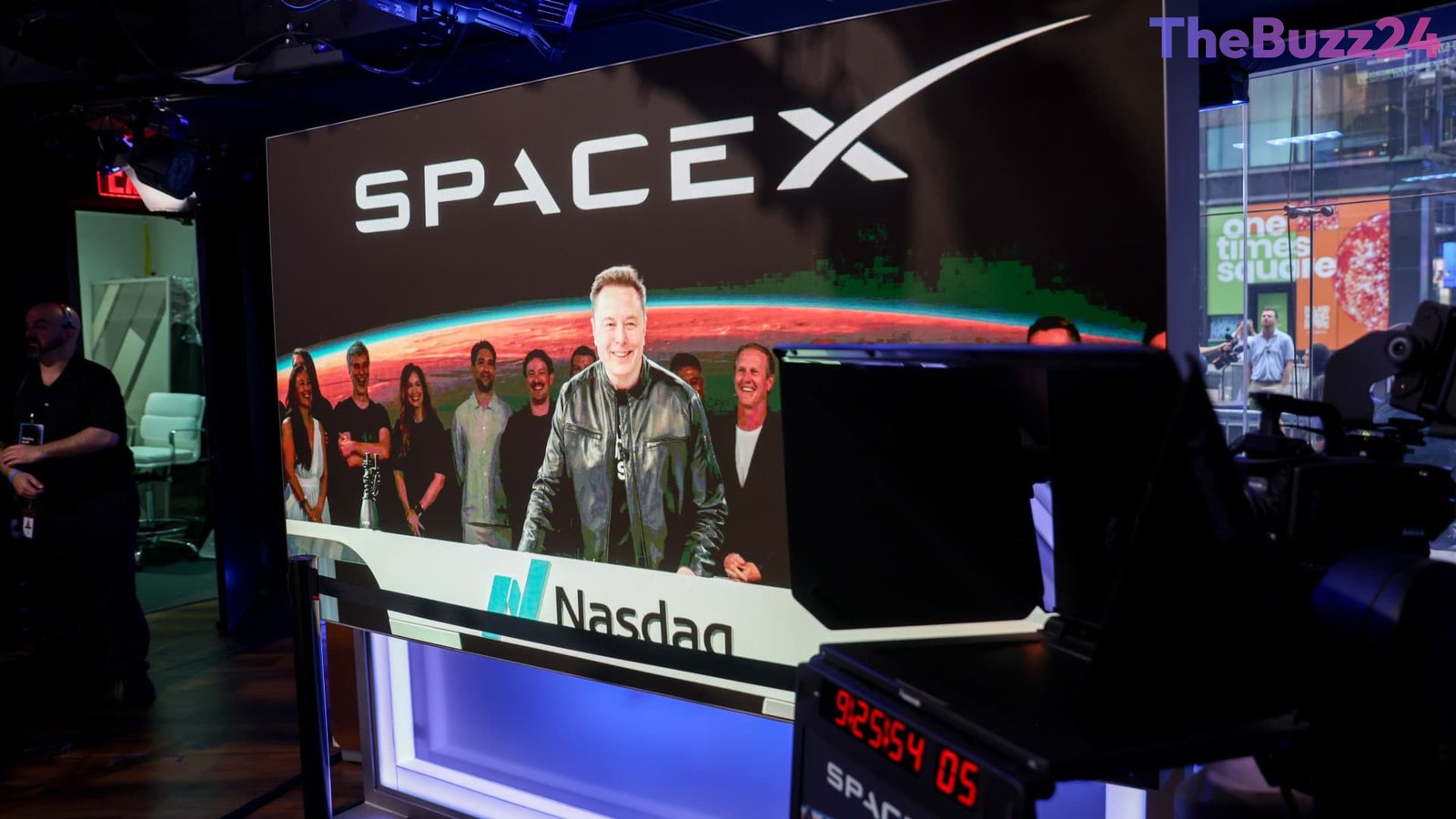
Adding to the financial excitement, billionaire owner Elon Musk publicly discussed the potential for a monumental merger between SpaceX and his electric vehicle giant, Tesla. Musk indicated that both companies’ boards have initiated specific committees to explore the consolidation, which, if realized, would represent one of the largest corporate combinations in history. He emphasized the strategic advantages of such a union, citing the companies’ shared trajectory towards “superintelligence singularity” and the significant benefits of enhanced cooperation.
For the third quarter, SpaceX recorded $14.6 billion in revenue, significantly exceeding analyst consensus estimates. The company also achieved a net income of $4.4 billion, a substantial improvement from a net loss of $1.05 billion in the same period last year. Its operating income reached $2.8 billion. The “Super Intelligence” segment, which SpaceX has increasingly focused on this year, emerged as its largest business unit, with revenue skyrocketing ninefold to $7.56 billion from $813 million in the prior year’s quarter. Looking ahead, SpaceX projects first-quarter 2027 revenue to be between $33 billion and $37 billion, far exceeding average analyst predictions.
The positive financial results and the merger speculation had an immediate impact on the markets. SpaceX shares saw a notable increase in premarket trading, while Tesla also experienced a modest uptick. The enthusiasm extended to other companies in the space sector, such as Rocket Lab, Intuitive Machines, and AST SpaceMobile, which also saw their shares rise. Furthermore, cloud providers like Nebius, Coreweave, Iren, and Applied Digital, perceived to benefit from the growing demand for AI infrastructure, also experienced gains.
Key Takeaways
- SpaceX reported exceptional Q3 financial results, with revenue up 161% year-over-year and a significant shift from net loss to profit.
- Elon Musk is actively exploring a potential merger between SpaceX and Tesla, citing strategic benefits for both companies.
- SpaceX's "Super Intelligence" (AI) business unit is experiencing explosive growth, becoming its largest segment and a key revenue driver alongside Starlink.
Editor’s Analysis & Impact
SpaceX’s latest earnings report, coupled with Elon Musk’s merger overture, signals a pivotal moment for both the aerospace and automotive industries, and the broader technology landscape. The impressive financial turnaround and the explosive growth of its “Super Intelligence” division underscore SpaceX’s diversification beyond space launches into high-value AI infrastructure. A potential SpaceX-Tesla merger could create an unprecedented conglomerate, integrating advanced AI, autonomous systems, and space technology, potentially accelerating innovation across multiple sectors. This move could redefine market valuations for both entities, creating a vertically integrated tech giant with unparalleled capabilities. However, regulatory scrutiny and the sheer complexity of such a massive integration would present significant challenges. The market’s positive reaction suggests investor confidence in the long-term vision, despite the inherent risks.
Frequently Asked Questions
Q: What were the key drivers behind SpaceX's strong Q3 performance?
A: SpaceX's strong Q3 performance was primarily driven by a 161% year-over-year revenue increase, fueled by the rapid expansion of its "Super Intelligence" (AI) business unit and consistent recurring revenue from its Starlink satellite internet service.
Q: What is the significance of Elon Musk's comments about a potential SpaceX-Tesla merger?
A: Elon Musk's comments suggest a serious consideration of combining two of his most prominent companies, which would create one of the largest mergers in history. He believes this consolidation would leverage synergies in "superintelligence singularity" and foster greater cooperation between the entities, potentially creating a diversified tech powerhouse.
Q: How did the market react to SpaceX's earnings and the merger news?
A: SpaceX shares saw a significant jump in premarket trading, and Tesla also experienced an uptick. The positive sentiment extended to other space stocks and AI cloud providers, indicating a broader market optimism regarding the growth prospects in these sectors.
AI Disclosure: This article is based on verified data and official reports. Our Team and AI have cross-referenced every financial detail with primary sources to ensure total accuracy.
More from this Category