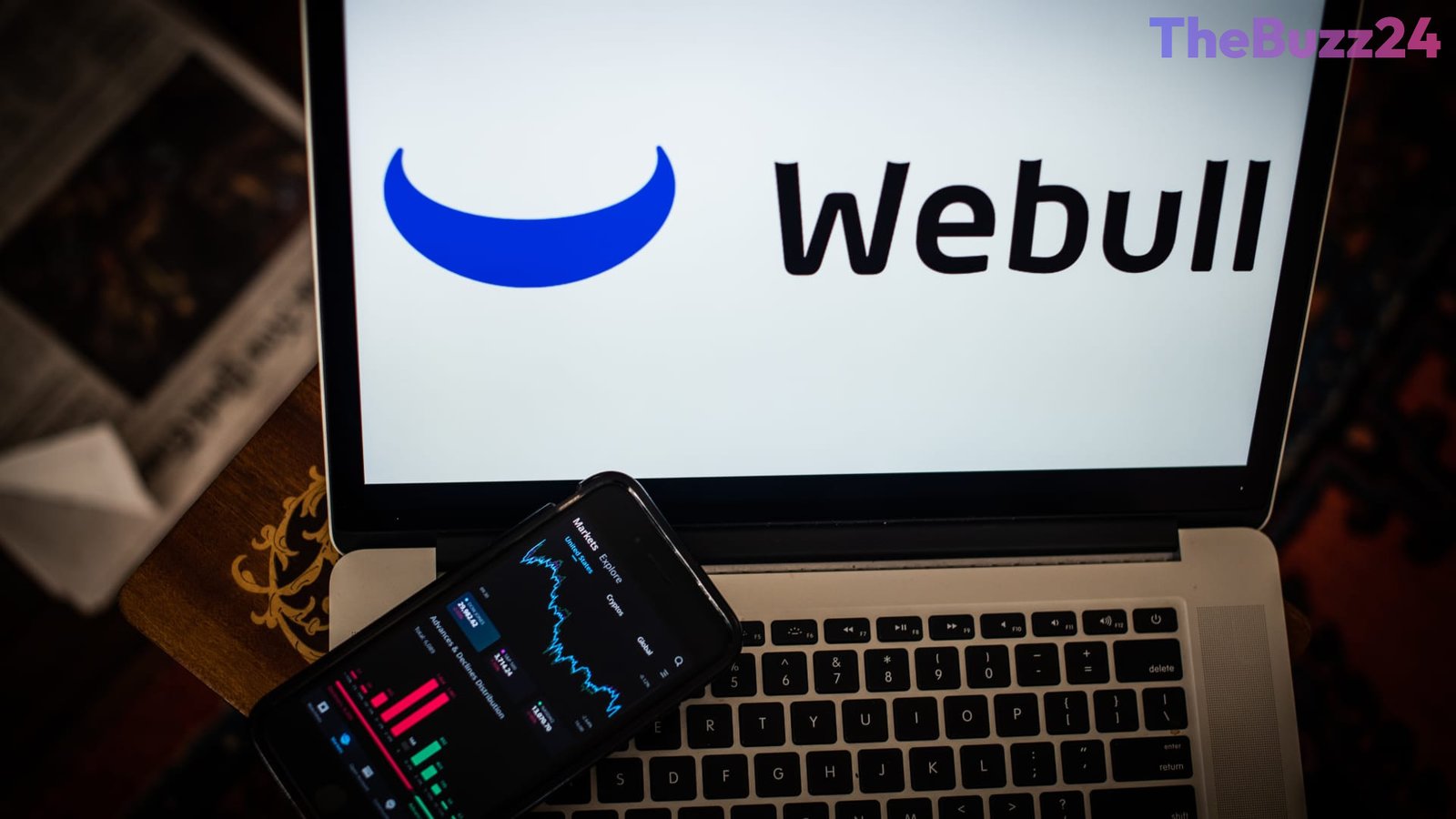
Internal Webull Communications Spark Fresh Concerns Over U.S. Customer Data Access
Newly surfaced internal communications from 2021 are casting doubt on the data security assurances provided by popular online investing platform Webull. Investigators examining foreign ties to American financial infrastructure have highlighted message threads suggesting that a company employee located in China previously engaged in discussions involving U.S. customer account information, contradicting earlier corporate claims.
The revelations stem from an ongoing congressional inquiry into how foreign-linked fintech entities handle sensitive American financial data. While Webull maintains that all domestic customer information remains securely stored on servers within the United States and is strictly shielded from overseas personnel, the uncovered chat logs indicate potential cross-border visibility into account verification procedures.
The exchange in question, conducted via enterprise messaging software, took place between a U.S.-based brokerage manager and a colleague whose digital footprint and operational hours strongly indicated a presence in Beijing. During the conversation regarding account approval protocols, the participants discussed regulatory compliance steps and account verification mechanisms, raising alarms among oversight officials regarding the true boundaries of data accessibility within the organization.
Representatives for the investigative panel argued that the dialogue demonstrates that overseas workers have possessed pathways to sensitive domestic data systems. In response, corporate representatives have pushed back against the findings, characterizing the released logs as outdated material related to a resolved regulatory matter. The platform continues to assert that its current data governance frameworks are robust, independently verified, and fully compliant with American regulatory standards.
Key Takeaways
- Internal 2021 chat logs suggest an employee in China may have had access to U.S. customer account information.
- Webull maintains that all sensitive American user data is stored strictly in the U.S. and restricted to domestic personnel.
- Congressional investigators argue the findings highlight structural vulnerabilities regarding foreign access to U.S. financial networks.
Editor’s Analysis & Impact
The scrutiny facing Webull highlights a broader, escalating tension between globalized fintech operations and national security interests in the United States. As digital brokerages scale rapidly by leveraging international engineering and support talent, lawmakers are increasingly focused on the potential legal and technical avenues foreign governments might use to compel data sharing under overseas laws. This case moves the debate beyond simple data storage locations—addressing the more complex question of remote access and administrative control. For the broader fintech industry, these developments signal a coming era of stricter compliance audits, heavier regulatory burdens regarding cross-border software dependencies, and heightened consumer skepticism regarding data privacy in cross-border corporate structures.
Frequently Asked Questions
Q: Where does Webull store its U.S. customer data?
A: Webull states that all U.S. customer data is stored exclusively in the United States on cloud servers located in Virginia and Oregon.
Q: What prompted the latest concerns regarding Webull's data practices?
A: A congressional committee released internal 2021 messaging logs between company employees, which investigators claim show an overseas worker discussing U.S. customer accounts.
Q: How has Webull responded to the allegations?
A: Webull has defended its security practices by stating that access to sensitive data is strictly restricted to U.S.-based personnel, dismissing the released messages as outdated information from a previously resolved regulatory matter.
AI Disclosure: This article is based on verified data and official reports. Our Team and AI have cross-referenced every financial detail with primary sources to ensure total accuracy.
More from this Category