United Airlines Unveils Massive New Airport Lounge in Houston Hub Overhaul
United Airlines is set to inaugurate its largest airport lounge to date this week, a significant expansion aimed at catering to its premium clientele. Located in Terminal B at Houston’s George Bush Intercontinental Airport, the expansive 54,000-square-foot facility is designed to accommodate up to 800 guests. This opening is a key component of United’s substantial $2.6 billion investment in the terminal, which also includes the addition of 22 gates for mainline aircraft operations.
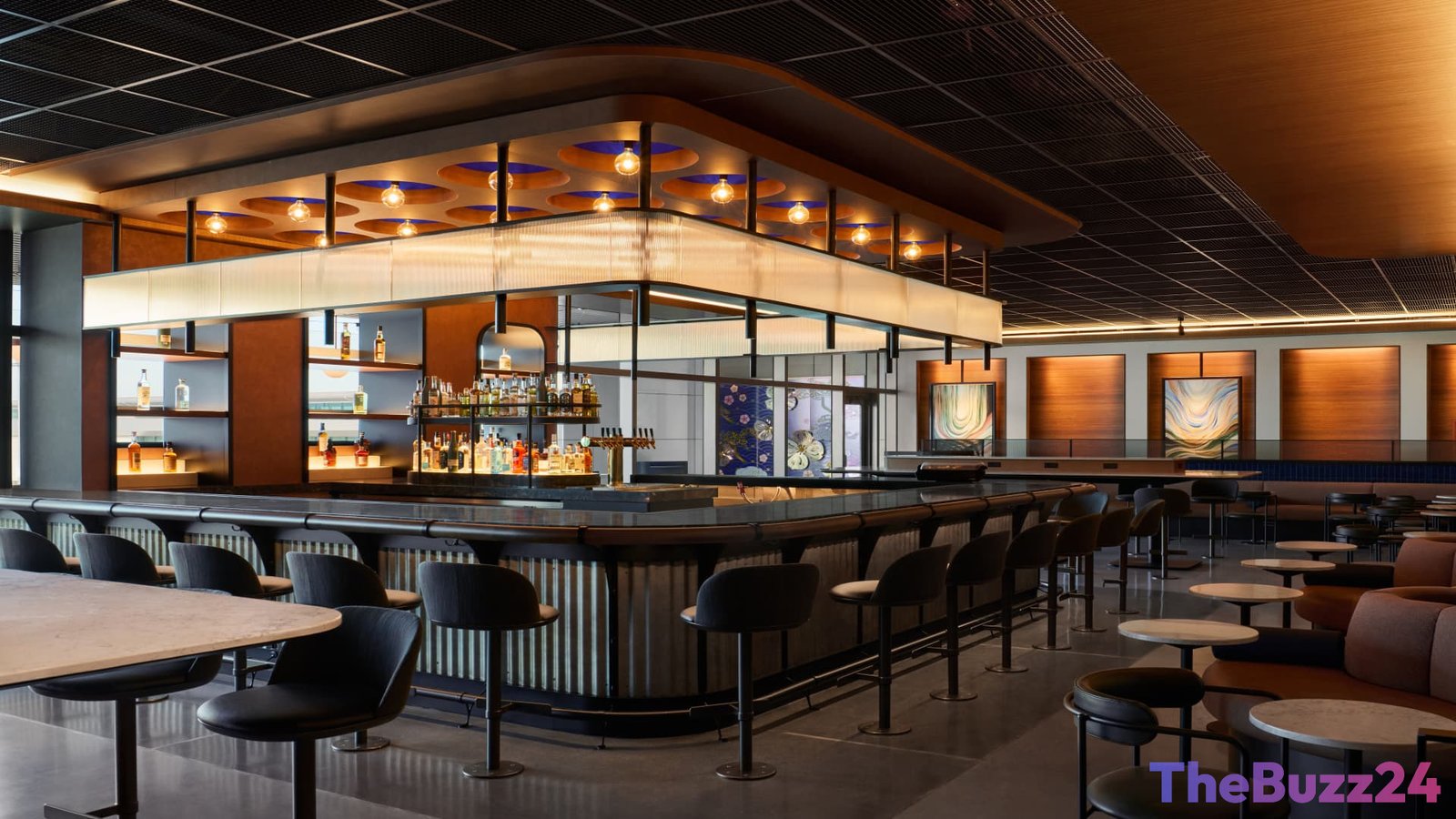
The new lounge boasts impressive amenities, including an outdoor terrace offering views of aircraft, two fully-equipped bars, and extensive buffet services. The strategic location in Houston, a major hub for United with over 500 daily departures and a critical gateway for Latin American travel, underscores the airline’s commitment to enhancing the travel experience for its most valued customers. This move reflects a broader industry trend where airlines are increasingly investing in premium spaces to attract and retain elite frequent flyers, holders of co-branded credit cards, and passengers willing to pay for enhanced comfort and services.
This development by United follows similar strategic expansions by other major carriers. American Airlines recently announced plans for its largest lounge at its Charlotte hub, while Delta Air Lines has been actively expanding its popular Sky Club and Delta One Lounge offerings. Even Southwest Airlines, traditionally known for a different service model, is entering the lounge market with its new ‘Icon’ lounges, developed in partnership with its credit card provider. JetBlue Airways has also recently opened new lounge facilities in New York and Boston, indicating a widespread industry focus on elevating the airport lounge experience.
Key Takeaways
- United Airlines is opening its largest airport lounge ever at its Houston hub, featuring seating for 800 and an outdoor terrace.
- The new lounge is part of a $2.6 billion overhaul of Terminal B at George Bush Intercontinental Airport.
- The expansion highlights a growing trend among airlines to invest in premium airport facilities to cater to elite travelers and credit card holders.
Editor’s Analysis & Impact
The launch of United’s massive new lounge in Houston signifies a strategic push to capture and retain high-value customers in an increasingly competitive travel market. As airlines face pressure to differentiate beyond just routes and pricing, investing in premium airport infrastructure like lounges becomes a critical differentiator. This trend suggests a bifurcated travel experience, with airlines prioritizing amenities for those who generate the most revenue through elite status, credit card spending, or premium ticket purchases. The substantial investment by United, alongside similar moves by competitors, indicates a long-term strategy to enhance brand loyalty and perceived value, potentially influencing passenger choice and airline profitability.
Frequently Asked Questions
Q: What makes this new United Airlines lounge significant?
A: This lounge is United Airlines' largest ever, designed to accommodate 800 people and featuring amenities like an outdoor terrace, two full-service bars, and buffets. It's a key part of a major $2.6 billion investment in Houston's George Bush Intercontinental Airport Terminal B.
Q: Why are airlines investing more in airport lounges?
A: Airlines are investing in larger and more luxurious lounges to attract and retain high-spending customers, including elite frequent flyers, holders of co-branded airline credit cards, and passengers willing to pay for premium services. This is seen as a way to enhance brand loyalty and offer a competitive advantage.
Q: Is this trend of expanding lounges unique to United Airlines?
A: No, this is a broader industry trend. American Airlines, Delta Air Lines, Southwest Airlines, and JetBlue Airways are also expanding or introducing new lounge concepts to cater to premium travelers.
AI Disclosure: This article is based on verified data and official reports. Our Team and AI have cross-referenced every financial detail with primary sources to ensure total accuracy.
More from this Category