Getty Images Files for Chapter 11 Bankruptcy, Initiates Major Restructuring
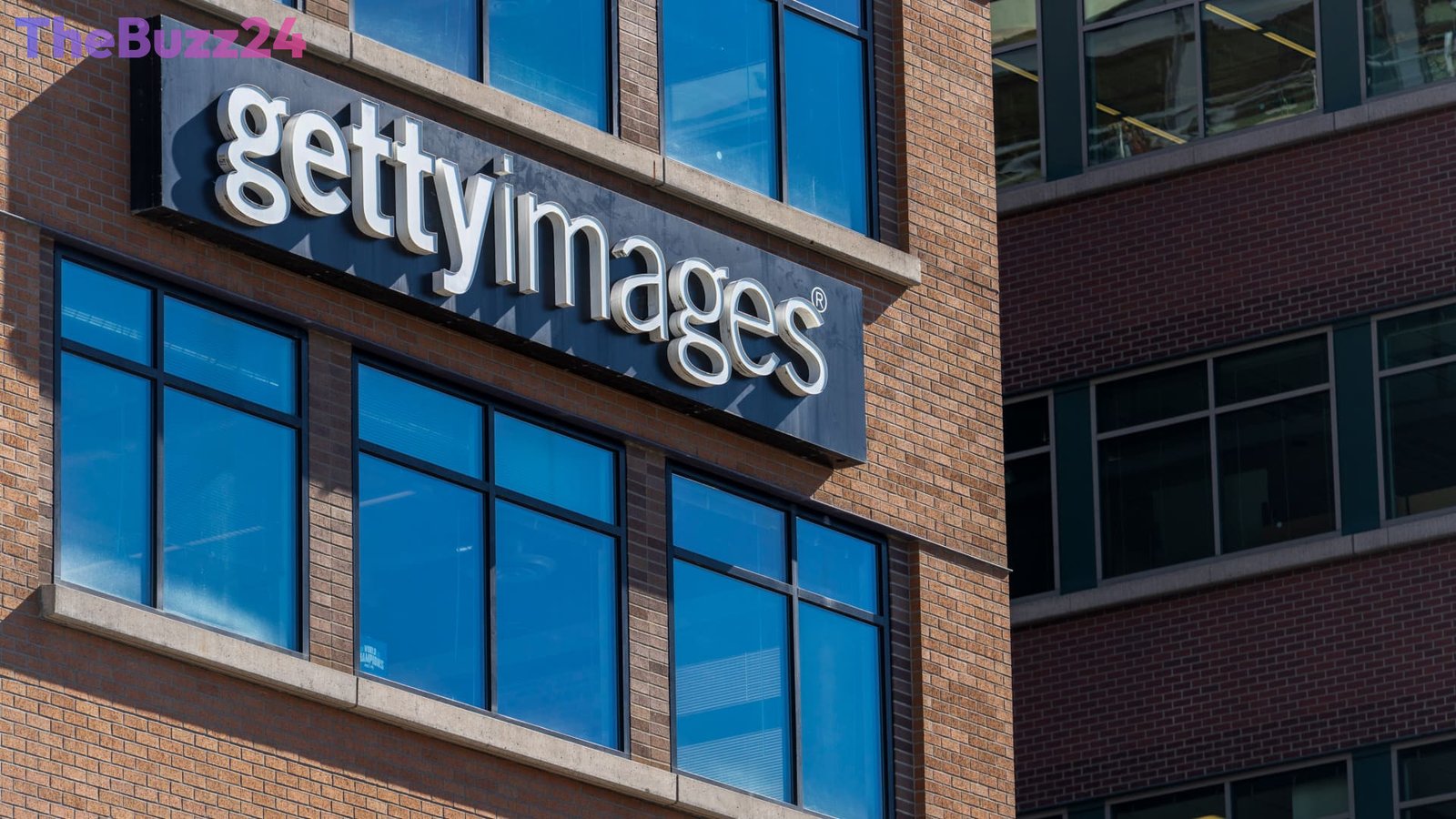
Getty Images has officially filed for Chapter 11 bankruptcy, moving forward with a significant restructuring plan that was announced recently. This legal maneuver is a key step in the company’s strategy to transition back to private ownership.
The move follows the recent collapse of Getty Images’ planned merger with competitor Shutterstock, a deal that faltered due to substantial debt burdens and the increasing challenge posed by AI-generated visual content. The bankruptcy filing represents a strategic reset for the prominent visual content provider.
Under the proposed restructuring, affiliates of the Getty family and Koch Equity Development are set to acquire full ownership of the company. This transition is supported by a commitment of up to $533 million in new equity from these investors. Getty Images has initiated a formal solicitation process to gain approval for its reorganization plan, aiming for completion by the end of the year.
The company has assured stakeholders that operations will continue as usual throughout the bankruptcy proceedings. Content contributors, partners, customers, employees, and vendors are expected to experience no disruption. Financial filings indicate that Getty Images holds assets and liabilities estimated to be between $1 billion and $10 billion. The restructuring process will also be bolstered by up to $143 million in financing from Koch Equity Development.
Key Takeaways
- Getty Images has filed for Chapter 11 bankruptcy to facilitate a restructuring and return to private ownership.
- The filing follows the failed merger with Shutterstock, attributed to debt and competition from AI imagery.
- Affiliates of the Getty family and Koch Equity Development will own the company post-restructuring, supported by significant equity and financing.
Editor’s Analysis & Impact
Getty Images’ Chapter 11 filing underscores the intense pressures facing traditional media and content providers in the digital age. The dual threats of heavy debt and the disruptive potential of AI-generated imagery have forced a significant strategic pivot. While the restructuring aims to stabilize the company and transition it to private ownership, its success will depend on navigating the bankruptcy process smoothly and adapting its business model to remain competitive. The involvement of Koch Equity Development signals a belief in the company’s underlying value, but the long-term outlook will hinge on Getty’s ability to innovate and differentiate itself in a rapidly evolving visual content landscape.
Frequently Asked Questions
Q: What is Chapter 11 bankruptcy?
A: Chapter 11 bankruptcy is a form of U.S. bankruptcy that allows a business to reorganize its debts and operations while continuing to function. It provides a framework for a company to restructure its finances, often with the goal of emerging as a more viable entity.
Q: How will this bankruptcy affect Getty Images' customers and contributors?
A: Getty Images has stated that it expects to operate in the ordinary course of business throughout the restructuring process. This means that customers should continue to have access to content, and contributors should continue to receive payments as usual, with no anticipated impact.
Q: What is the role of AI in Getty Images' current situation?
A: The rise of AI-generated imagery is cited as a growing competition and a factor contributing to the collapse of Getty's merger with Shutterstock. This suggests that AI is disrupting the traditional stock imagery market, forcing companies like Getty to re-evaluate their strategies and potentially integrate or compete with AI-generated content.
AI Disclosure: This article is based on verified data and official reports. Our Team and AI have cross-referenced every financial detail with primary sources to ensure total accuracy.
More from this Category