Nvidia CEO: Neocloud Demand Skyrockets, But Capital Remains Elusive
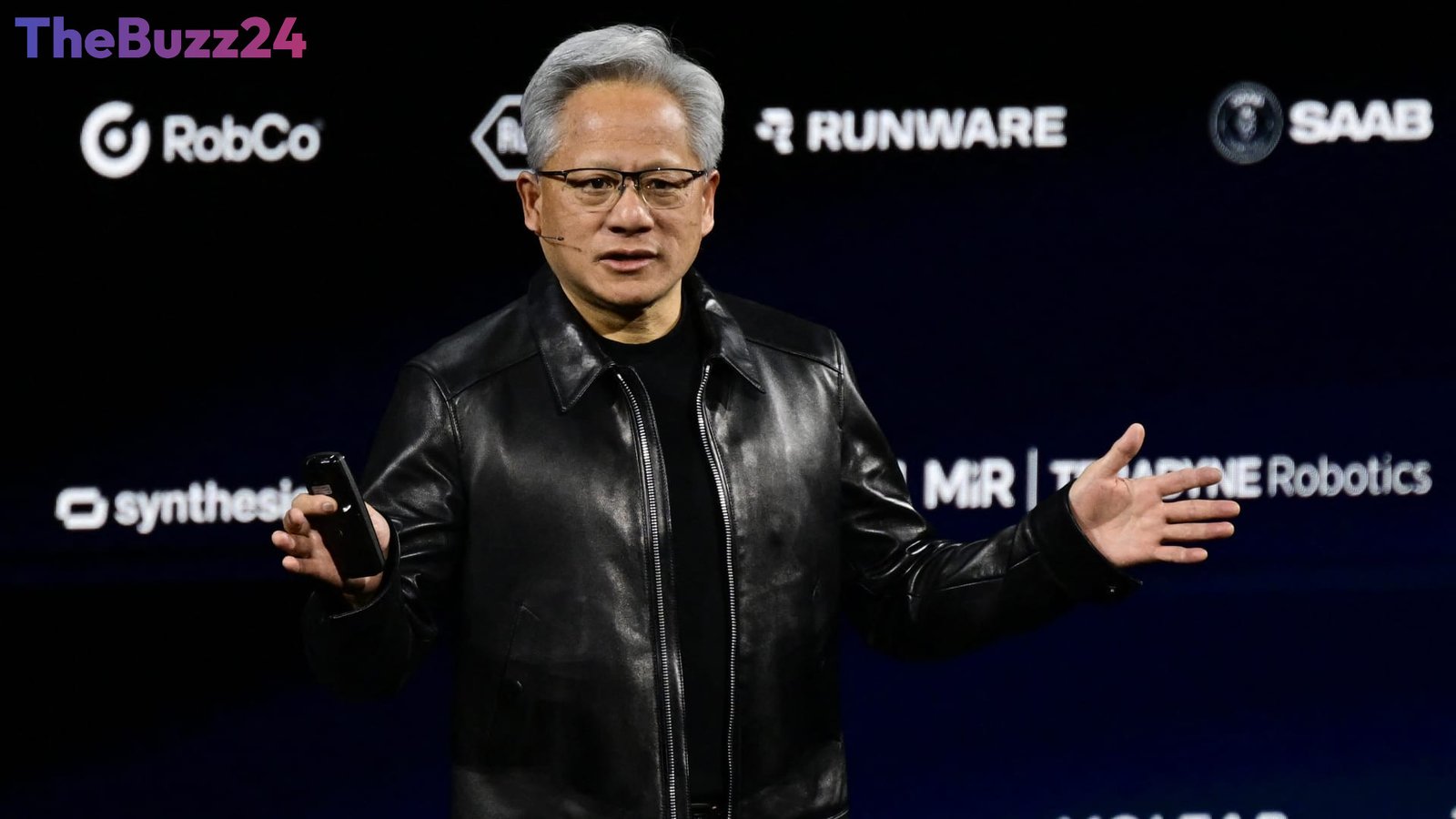
Demand for ‘neocloud’ services, crucial for powering the artificial intelligence revolution, is experiencing unprecedented growth, according to Nvidia CEO Jensen Huang. Speaking on the sidelines of the company’s GTC conference in Berlin, Huang described the demand as “off the charts,” highlighting the immense need for advanced computing infrastructure across various sectors.
Despite this surge in demand, Huang pointed to a significant bottleneck: a scarcity of capital. He explained that while the fundamental need for neocloud capabilities is extraordinary, the working capital required to fuel this expansion is in short supply. “The demand for capital is much greater than the availability of the capital,” Huang stated, expressing confidence that this issue will eventually be resolved.
Power availability also presents a major challenge, particularly in Europe, where higher electricity prices and limited energy resources can impede growth. Huang emphasized the importance of allocating scarce energy resources to companies like Nebius and Mistral to foster their development. He believes that establishing robust infrastructure in Europe is the first step towards building a thriving AI ecosystem and economy within the region, ultimately requiring a substantial increase in neocloud capacity across the continent.
This situation comes as neocloud providers, including CoreWeave and Nebius, face investor scrutiny regarding their substantial spending on AI infrastructure and the potential timeline for returns on investment. Concerns about the debt levels taken on by major players like CoreWeave to finance data center expansions have also contributed to recent market fluctuations for these stocks. Nvidia, meanwhile, is actively investing in Europe’s AI sector, committing significant capital to startups, universities, and research institutions to help catalyze the region’s AI economy.
Key Takeaways
- Demand for neocloud services is exceptionally high, driven by the AI boom.
- A significant scarcity of capital is hindering the growth of neocloud providers.
- Energy constraints and investor concerns about spending are key challenges for the neocloud sector.
Editor’s Analysis & Impact
Jensen Huang’s comments underscore a critical juncture for the AI infrastructure market. The ‘neocloud’ sector, essential for scaling AI capabilities, is grappling with a classic supply-and-demand imbalance, albeit with a capital constraint. While demand is insatiable, the financial resources to build out the necessary data centers and computing power are lagging. This capital scarcity, coupled with energy limitations, particularly in Europe, could slow the pace of AI adoption. Investors’ caution regarding debt-laden buildouts suggests a need for more sustainable financing models. Nvidia’s strategic investments in Europe signal an intent to foster regional AI ecosystems, potentially creating new growth avenues but also highlighting the global competition for resources and talent in this rapidly evolving field.
Frequently Asked Questions
Q: What are 'neoclouds' in the context of AI?
A: 'Neoclouds' refer to specialized cloud computing infrastructure designed to handle the immense computational demands of artificial intelligence workloads. This includes powerful GPUs, high-speed networking, and large-scale data storage necessary for training and deploying AI models.
Q: Why is capital scarce for neocloud providers?
A: The rapid and massive buildout of AI infrastructure requires enormous capital investment. While demand is high, the availability of capital, especially for companies taking on significant debt for expansion, is limited, leading to a scarcity that is hindering growth.
Q: What role does energy play in the neocloud market?
A: AI data centers are extremely power-intensive. The availability and cost of electricity are critical factors for neocloud providers. Regions with limited or expensive energy supplies face challenges in supporting the growth of AI infrastructure.
AI Disclosure: This article is based on verified data and official reports. Our Team and AI have cross-referenced every financial detail with primary sources to ensure total accuracy.
More from this Category